THE ADVENTURE COLLECTIVE® · Independent discovery and booking for outdoor travel

Learn to identify, taste, and blend Costa Rica’s tropical fruits in a two-hour hands-on workshop near Tamarindo. This experience pairs fruit sampling and a health-focused mixology class suitable for travelers of most ages.
Learn to identify, taste, and blend Costa Rica’s tropical fruits in a two-hour hands-on workshop near Tamarindo. This experience pairs fruit sampling and a health-focused mixology class suitable for travelers of most ages.
Morning light catches the waxy sheen of a mango as guides lay out a spectrum of fruits on a wooden table — dragon fruit, rambutan, soursop — each bright and slightly fragrant under the coastal breeze. Participants move from station to station, learning how to judge ripeness with a touch and how flavor balances shift when citrus meets creamier tropical pulp.
Verified experiences and guided adventures in the surrounding area.
Operated by DaviannaXperience · Tamarindo, Guanacaste
Morning light catches the waxy sheen of a mango as guides lay out a spectrum of fruits on a wooden table — dragon fruit, rambutan, soursop — each bright and slightly fragrant under the coastal breeze. Participants move from station to station, learning how to judge ripeness with a touch and how flavor balances shift when citrus meets creamier tropical pulp.
The workshop sits at the intersection of agronomy and everyday culture in Guanacaste. Costa Rica’s Pacific lowlands support diverse fruit microclimates shaped by volcanic soils and distinct wet and dry seasons; many of the fruits sampled arrived here via indigenous trade routes and later colonial agricultural shifts. Guides explain traditional uses — from soursop teas for folk remedies to cashew fruit eaten fresh — connecting culinary technique to local knowledge.
Expect a hands-on session: guided fruit sampling, a short primer on health benefits (vitamin profiles, antioxidants), then three supervised mixology labs where small groups construct blends and taste for balance. The tone is practical: technique, proportions, and preservation tips for taking recipes home.
Practical notes: the activity is low-impact and accessible; shade and seating are provided but bring sun protection and a reusable bottle. It’s ideal for travelers who want a grounded food experience that teaches as much as it tastes — sensory, educational, and rooted in place.
easy.
2 hours.
Light activity; suitable for most fitness levels and families
Yes — the provider lists wheelchair-accessible facilities and surfaces for the workshop.
Yes — the activity is family-friendly; infants may use strollers and staff can accommodate younger guests.
Yes — guests are asked to list special requirements when booking so guides can adjust ingredients and avoid allergens.
You can receive a full refund if you cancel at least 24 hours before the scheduled start time.
Many of the fruits featured have roots in pre-Columbian cultivation and were integrated into colonial and local trade networks, shaping regional diets in Guanacaste.
Workshops often emphasize sustainable harvesting and minimizing waste; bring a reusable bottle and expect composting or proper disposal of peelings.
DaviannaXperience operates guided outdoor trips and adventures with an emphasis on safety, stewardship, and memorable experiences.
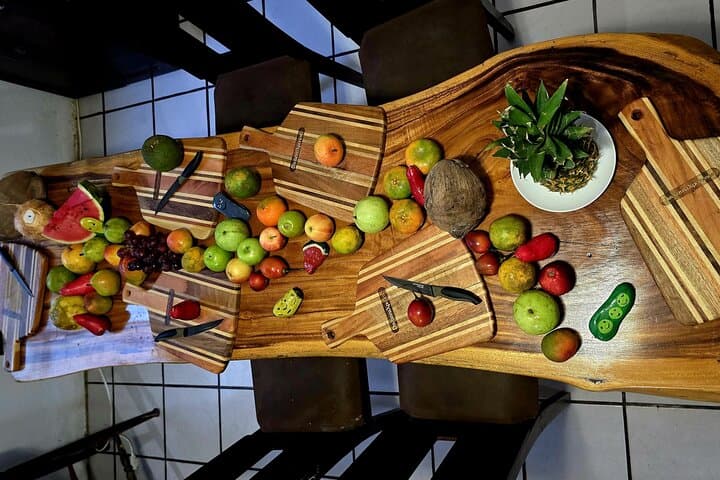
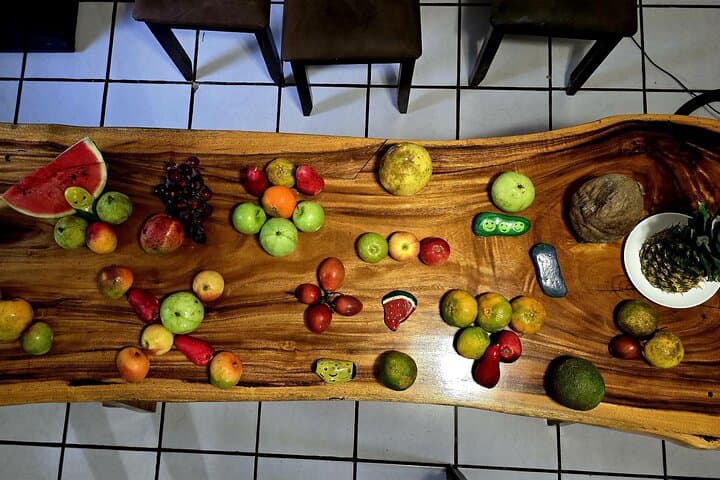
Morning light catches the waxy sheen of a mango as guides lay out a spectrum of fruits on a wooden table — dragon fruit, rambutan, soursop — each bright and slightly fragrant under the coastal breeze. Participants move from station to station, learning how to judge ripeness with a touch and how flavor balances shift when citrus meets creamier tropical pulp.
Morning light catches the waxy sheen of a mango as guides lay out a spectrum of fruits on a wooden table — dragon fruit, rambutan, soursop — each bright and slightly fragrant under the coastal breeze. Participants move from station to station, learning how to judge ripeness with a touch and how flavor balances shift when citrus meets creamier tropical pulp.
The workshop sits at the intersection of agronomy and everyday culture in Guanacaste. Costa Rica’s Pacific lowlands support diverse fruit microclimates shaped by volcanic soils and distinct wet and dry seasons; many of the fruits sampled arrived here via indigenous trade routes and later colonial agricultural shifts. Guides explain traditional uses — from soursop teas for folk remedies to cashew fruit eaten fresh — connecting culinary technique to local knowledge.
Expect a hands-on session: guided fruit sampling, a short primer on health benefits (vitamin profiles, antioxidants), then three supervised mixology labs where small groups construct blends and taste for balance. The tone is practical: technique, proportions, and preservation tips for taking recipes home.
Practical notes: the activity is low-impact and accessible; shade and seating are provided but bring sun protection and a reusable bottle. It’s ideal for travelers who want a grounded food experience that teaches as much as it tastes — sensory, educational, and rooted in place.