THE ADVENTURE COLLECTIVE® · Independent discovery and booking for outdoor travel

Spend a five-hour morning from Tamarindo exploring Catalina’s Archipelago by boat with two guided snorkeling sessions. Expect close encounters with reef fish, calm snorkeling in protected coves, and a practical, safety-focused outing suitable for families and active travelers.
Spend a five-hour morning from Tamarindo exploring Catalina’s Archipelago by boat with two guided snorkeling sessions. Expect close encounters with reef fish, calm snorkeling in protected coves, and a practical, safety-focused outing suitable for families and active travelers.
The morning air above Tamarindo tastes of salt and citrus as the 38ft boat slips away from shore. Palm-lined beaches recede, and within 45 minutes the water opens to swells that seem to dare you into deeper blue. Guides rig masks and fins with practiced calm; fish flash like scattered coins under the hull. Two guided snorkeling sessions unfold around rocky islets—reef shelves, channels and swim-throughs where surgeonfish, parrotfish and the occasional stingray glide through sunbeams.
Verified experiences and guided adventures in the surrounding area.
Operated by Tamarindo Diving · Tamarindo, Guanacaste
The morning air above Tamarindo tastes of salt and citrus as the 38ft boat slips away from shore. Palm-lined beaches recede, and within 45 minutes the water opens to swells that seem to dare you into deeper blue. Guides rig masks and fins with practiced calm; fish flash like scattered coins under the hull. Two guided snorkeling sessions unfold around rocky islets—reef shelves, channels and swim-throughs where surgeonfish, parrotfish and the occasional stingray glide through sunbeams.
Guanacaste’s coastline is a product of uplifted volcanic shelves and marine erosion, which created the rocky outcrops around Catalina’s Archipelago. Indigenous and colonial histories touch the region in fishing traditions and coastal villages, while modern Tamarindo grew from a quiet fishing town into a surf-and-ecotourism hub. Local guides often point out migratory whale sightings in season and explain reef stewardship practices they follow.
Practical edge: plan for changing conditions—wind can move the captain’s choice between the Catalina islets and Cabo Velas. The trip runs about five hours total, includes two snorkeling sessions and snacks, and requires a moderate level of fitness; minimum age is typically eight. Bring reef-safe sunscreen, a light jacket for the ride, and a towel. Expect basic safety briefing, equipment fit, and boat transfers from beach to main vessel. If currents pick up, follow guide instructions and use the buddy system—marine life is vivid here, but the ocean sets the pace.
moderate.
5 hours.
Moderate fitness—comfortable swimming ability and ability to climb a small boarding ladder required
Minimum age is generally 8 years; children must be accompanied by an adult and supervised in the water.
Typical navigation to the Catalina islets is about 45 minutes by boat, though locations may vary by conditions.
Yes—life vests and any needed floatation aids are provided and the guide will advise use based on comfort and conditions.
Operators may cancel or move the location (for example to Cabo Velas) for safety; full refunds are usually offered if canceled 24 hours prior.
Tamarindo evolved from a small fishing village into a surf and ecotourism center in the late 20th century, with local fishing traditions still shaping coastal culture.
Operators recommend reef-safe sunscreen and practice brief pre-dive briefings to minimize contact with corals; ongoing efforts aim to balance tourism with reef protection.
Tamarindo Diving operates guided outdoor trips and adventures with an emphasis on safety, stewardship, and memorable experiences.
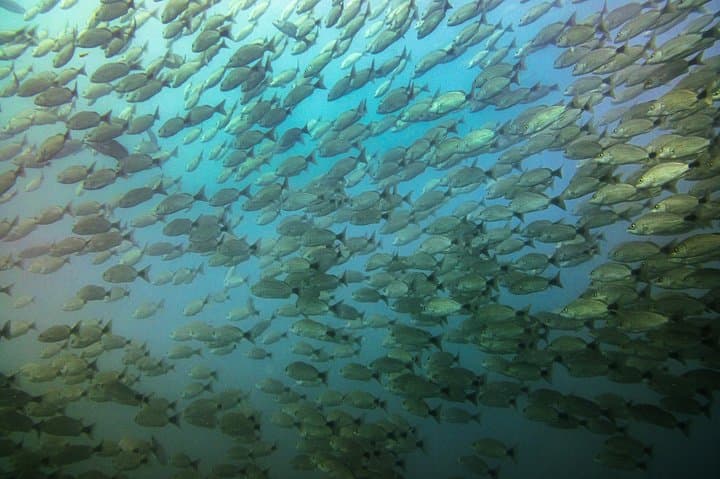
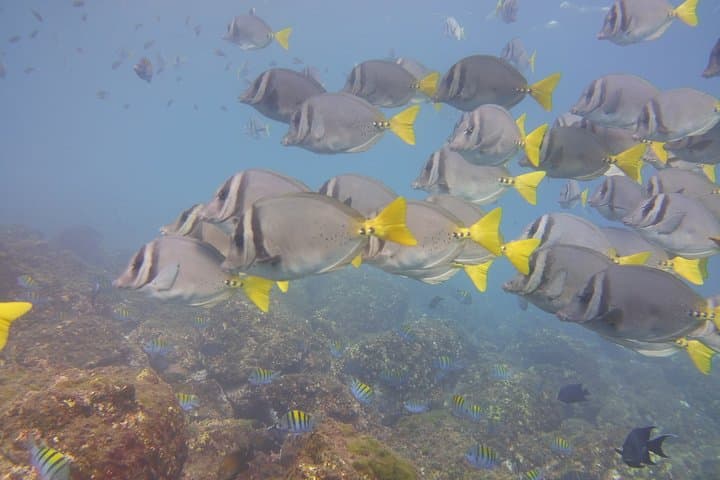
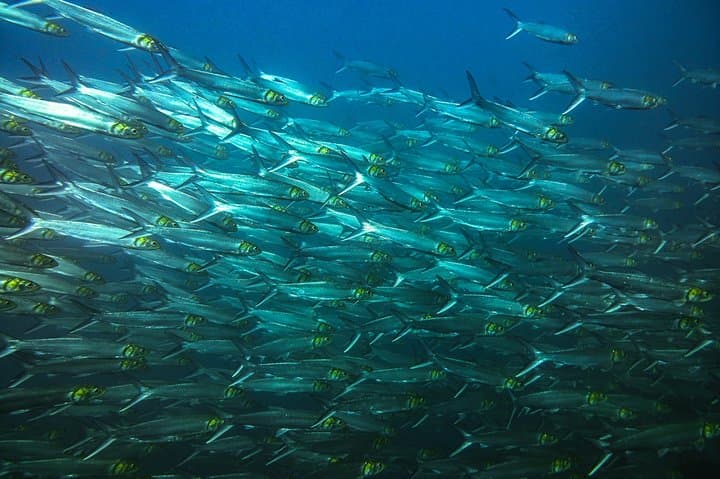
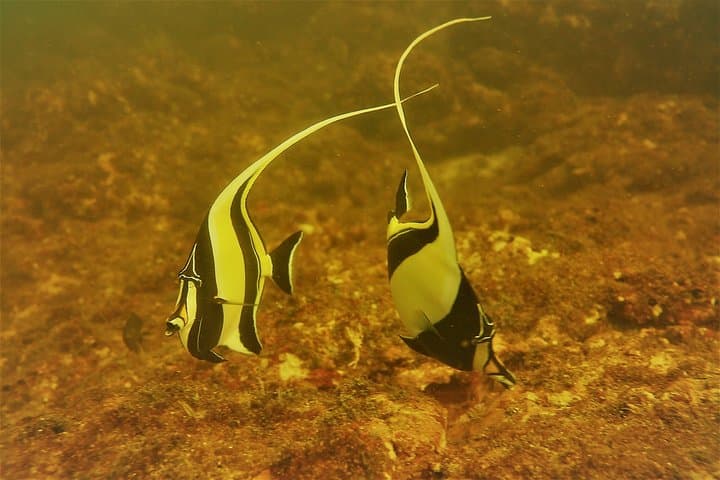
The morning air above Tamarindo tastes of salt and citrus as the 38ft boat slips away from shore. Palm-lined beaches recede, and within 45 minutes the water opens to swells that seem to dare you into deeper blue. Guides rig masks and fins with practiced calm; fish flash like scattered coins under the hull. Two guided snorkeling sessions unfold around rocky islets—reef shelves, channels and swim-throughs where surgeonfish, parrotfish and the occasional stingray glide through sunbeams.
The morning air above Tamarindo tastes of salt and citrus as the 38ft boat slips away from shore. Palm-lined beaches recede, and within 45 minutes the water opens to swells that seem to dare you into deeper blue. Guides rig masks and fins with practiced calm; fish flash like scattered coins under the hull. Two guided snorkeling sessions unfold around rocky islets—reef shelves, channels and swim-throughs where surgeonfish, parrotfish and the occasional stingray glide through sunbeams.
Guanacaste’s coastline is a product of uplifted volcanic shelves and marine erosion, which created the rocky outcrops around Catalina’s Archipelago. Indigenous and colonial histories touch the region in fishing traditions and coastal villages, while modern Tamarindo grew from a quiet fishing town into a surf-and-ecotourism hub. Local guides often point out migratory whale sightings in season and explain reef stewardship practices they follow.
Practical edge: plan for changing conditions—wind can move the captain’s choice between the Catalina islets and Cabo Velas. The trip runs about five hours total, includes two snorkeling sessions and snacks, and requires a moderate level of fitness; minimum age is typically eight. Bring reef-safe sunscreen, a light jacket for the ride, and a towel. Expect basic safety briefing, equipment fit, and boat transfers from beach to main vessel. If currents pick up, follow guide instructions and use the buddy system—marine life is vivid here, but the ocean sets the pace.