THE ADVENTURE COLLECTIVE® · Independent discovery and booking for outdoor travel

Glide through Tamarindo’s mangrove channels on a two-hour safari that threads Las Baulas National Park. Expect close encounters with howler monkeys, crocodiles, and mangrove birds while a bilingual guide explains tidal ecology and local conservation.
Glide through Tamarindo’s mangrove channels on a two-hour safari that threads Las Baulas National Park. Expect close encounters with howler monkeys, crocodiles, and mangrove birds while a bilingual guide explains tidal ecology and local conservation.
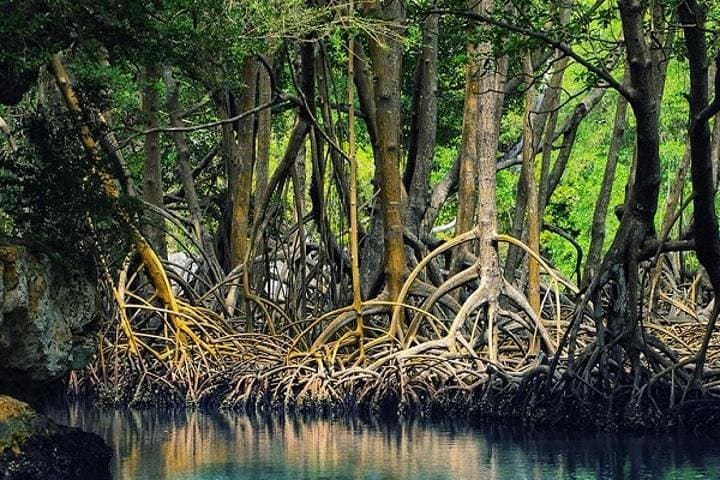
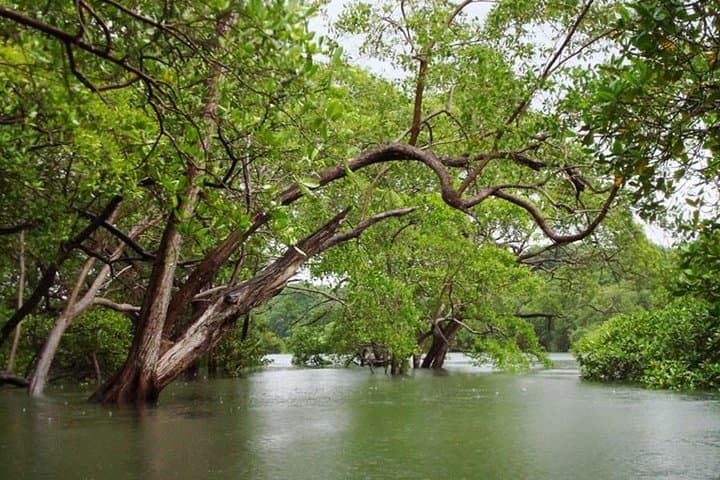
The boat slides out of the Tamarindo river mouth and the estuary breathes around you — roots twist from the water like hands, and a shaded canopy lowers the sun into dappled green. For two hours the motor hums as the guide points out a howler monkey hoist, an iguana sunning on a mangrove limb, and the flash of a kingfisher that dares the current.
Verified experiences and guided adventures in the surrounding area.
Operated by Native's Way Costa Rica · Tamarindo, Guanacaste
The boat slides out of the Tamarindo river mouth and the estuary breathes around you — roots twist from the water like hands, and a shaded canopy lowers the sun into dappled green. For two hours the motor hums as the guide points out a howler monkey hoist, an iguana sunning on a mangrove limb, and the flash of a kingfisher that dares the current.
The estuary is the tidal throat of Las Baulas National Marine Park, a protected coastal wetland formed by alluvial deposits and mangrove peat. The park rose to prominence as Costa Rica shifted from small-scale fishing to focused conservation to protect nesting leatherback turtles and the fragile mangrove nursery that supports both fish and birds.
Locals in Tamarindo once fished these channels; now bilingual guides weave natural history and community lore into the ride, explaining tidal timing, mangrove ecology, and how estuaries anchor the region’s surf and reef systems.
Practical guidance: tours are tide-dependent and typically depart from the river mouth; the boat is shaded but temperatures and bugs vary, so sunscreen and repellent are necessary. Shoes that can get wet or are easy to remove make boarding easier; the tour is low exertion and suitable for families and guests with limited mobility.
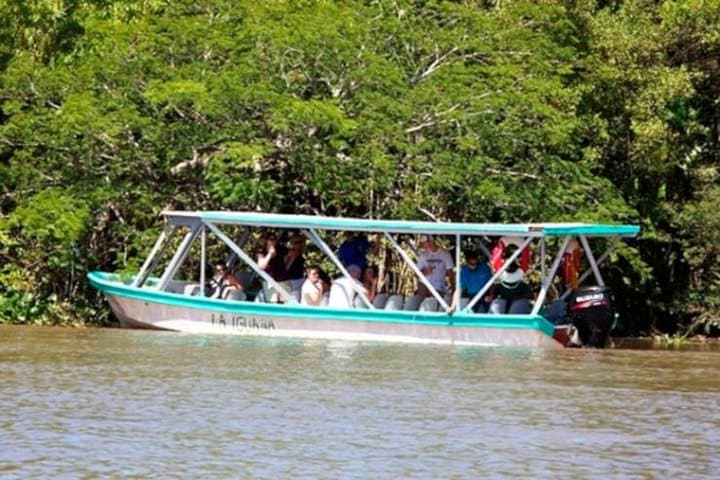
Expect close wildlife viewing from a stable, covered boat, with photography windows for long lenses. Respect the habitat: remain seated when asked, don’t feed animals, and follow your guide’s instructions to keep encounters safe for both people and wildlife.
easy.
2 hours.
Minimal physical exertion required; suitable for most fitness levels though some mobility is needed for boarding.
The tour runs approximately two hours and departs at times that depend on tidal conditions.
Yes — the operator notes it’s family-friendly and accessible for guests with limited mobility, though some boarding assistance may be needed.
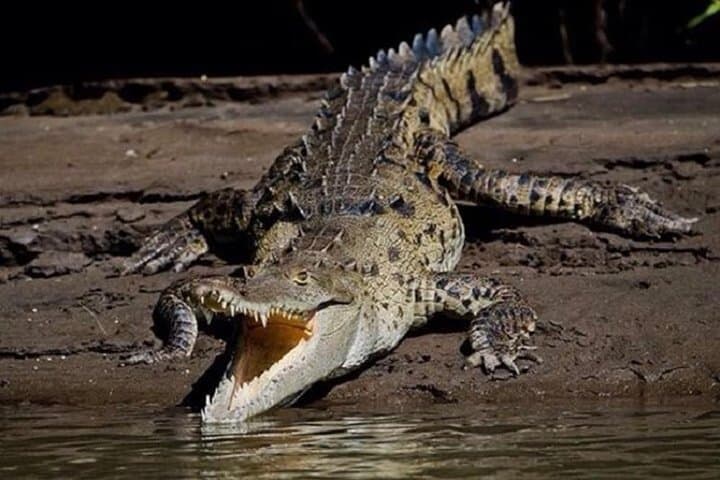
Common sightings include howler monkeys, American crocodiles, iguanas, and a variety of shore and mangrove birds; sightings cannot be guaranteed.
Bottled water is provided, but you may bring a small snack; avoid bringing plastic waste and follow guide instructions about food and wildlife.
Las Baulas National Marine Park was established to protect leatherback turtle nesting beaches and the associated coastal wetlands that support marine and avian life.
Stay on the boat, avoid feeding or touching wildlife, and use reef-safe sunscreen; supporting local guides helps fund conservation and responsible ecotourism.
Native's Way Costa Rica operates guided outdoor trips and adventures with an emphasis on safety, stewardship, and memorable experiences.
The boat slides out of the Tamarindo river mouth and the estuary breathes around you — roots twist from the water like hands, and a shaded canopy lowers the sun into dappled green. For two hours the motor hums as the guide points out a howler monkey hoist, an iguana sunning on a mangrove limb, and the flash of a kingfisher that dares the current.
The boat slides out of the Tamarindo river mouth and the estuary breathes around you — roots twist from the water like hands, and a shaded canopy lowers the sun into dappled green. For two hours the motor hums as the guide points out a howler monkey hoist, an iguana sunning on a mangrove limb, and the flash of a kingfisher that dares the current.
The estuary is the tidal throat of Las Baulas National Marine Park, a protected coastal wetland formed by alluvial deposits and mangrove peat. The park rose to prominence as Costa Rica shifted from small-scale fishing to focused conservation to protect nesting leatherback turtles and the fragile mangrove nursery that supports both fish and birds.
Locals in Tamarindo once fished these channels; now bilingual guides weave natural history and community lore into the ride, explaining tidal timing, mangrove ecology, and how estuaries anchor the region’s surf and reef systems.
Practical guidance: tours are tide-dependent and typically depart from the river mouth; the boat is shaded but temperatures and bugs vary, so sunscreen and repellent are necessary. Shoes that can get wet or are easy to remove make boarding easier; the tour is low exertion and suitable for families and guests with limited mobility.
Expect close wildlife viewing from a stable, covered boat, with photography windows for long lenses. Respect the habitat: remain seated when asked, don’t feed animals, and follow your guide’s instructions to keep encounters safe for both people and wildlife.