THE ADVENTURE COLLECTIVE® · Independent discovery and booking for outdoor travel

Explore Estero Tamarindo on a two-hour guided boat tour through mangrove channels to spot crocodiles, shorebirds and monkeys, plus a short shore hike inside Las Baulas Marine National Park. This easy trip mixes calm cruising with close-up nature viewing and local ecosystem interpretation.
Explore Estero Tamarindo on a two-hour guided boat tour through mangrove channels to spot crocodiles, shorebirds and monkeys, plus a short shore hike inside Las Baulas Marine National Park. This easy trip mixes calm cruising with close-up nature viewing and local ecosystem interpretation.
Morning fog lifts off the estuary and the boat slides through a green maze of mangroves—roots like fingers, water reflecting an open sky. Guides point silently; a heron unfurls, a crab scuttles along a root, and a crocodile basks where channel and shore meet. The ride alternates low-speed wildlife watching with a short guided walk into forest trails to seek howler and white-faced monkeys.
Verified experiences and guided adventures in the surrounding area.
Operated by Valle de Esquipulas Tours · Tamarindo, Guanacaste
Morning fog lifts off the estuary and the boat slides through a green maze of mangroves—roots like fingers, water reflecting an open sky. Guides point silently; a heron unfurls, a crab scuttles along a root, and a crocodile basks where channel and shore meet. The ride alternates low-speed wildlife watching with a short guided walk into forest trails to seek howler and white-faced monkeys.
This coastline sits at the edge of Las Baulas Marine National Park, a protected zone established to preserve leatherback turtle nesting and coastal wetlands. Geologically, the estuary is a dynamic interface where river sediment and Pacific tides shape channels and mudflats; the mangrove complex acts as a nursery for fish and a filter for runoff. Local culture here is tied to fishing and conservation—guides often balance traditional knowledge with park rules to reduce human impact.
Expect easy boating with frequent stops for photos and a 20–40 minute shore walk on dirt trails and boardwalks. Cameras and binoculars reward patient observers. Follow guide instructions: keep distance from wildlife, avoid loud noises, and hold onto polarized sunglasses to cut glare on the water.
Practicalities: tours run about two hours, usually depart from Tamarindo harbor, and include life vests and transit for guests near town. Mornings are best for calm water and active birds; afternoon light favors warm tones on the mangroves. Bring sun protection, refillable water, sturdy sandals or light trail shoes, and a waterproof bag for electronics.
easy.
2 hours.
Suitable for most fitness levels; requires short walk on uneven terrain and ability to step on/off a small boat
Most tours depart from the Tamarindo harbor or a nearby dock; pickup for nearby accommodations is often provided—confirm your pickup point when booking.
Guides know local hotspots and sightings are common, but wildlife is wild—sightings aren’t guaranteed and depend on time of day and conditions.
The activity is rated easy: boats are stable and life vests provided; infants must sit on laps, but mobility limitations should be discussed with the operator in advance.
Tours may cancel for heavy rain or unsafe conditions with a full refund if canceled at least 24 hours before departure; operators often reschedule when possible.
Las Baulas Marine National Park was created to protect leatherback turtle nesting beaches and the coastal wetlands that support marine and terrestrial life.
Visitors should stay on designated paths, avoid single-use plastics, and follow guide guidance to minimize disturbance to nesting turtles and breeding birds.
Valle de Esquipulas Tours operates guided outdoor trips and adventures with an emphasis on safety, stewardship, and memorable experiences.
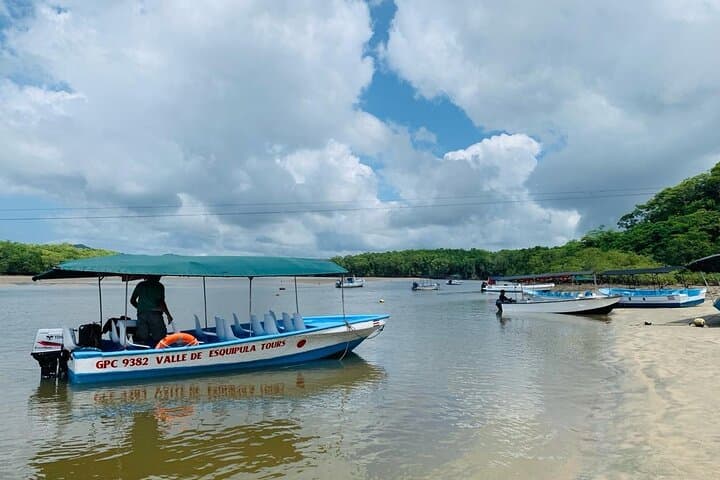
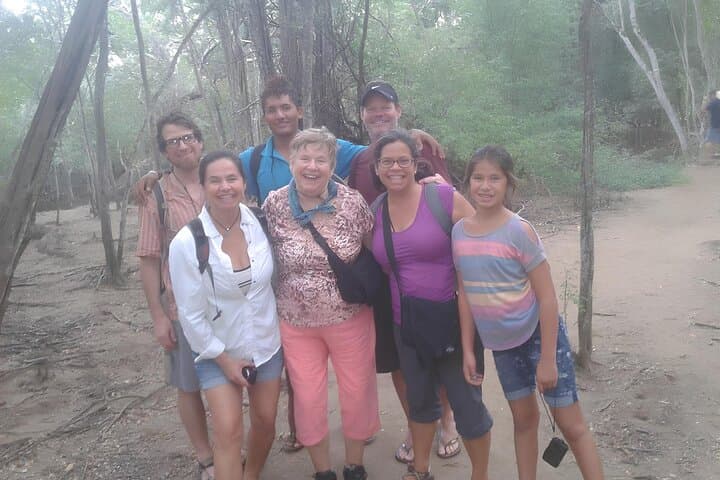
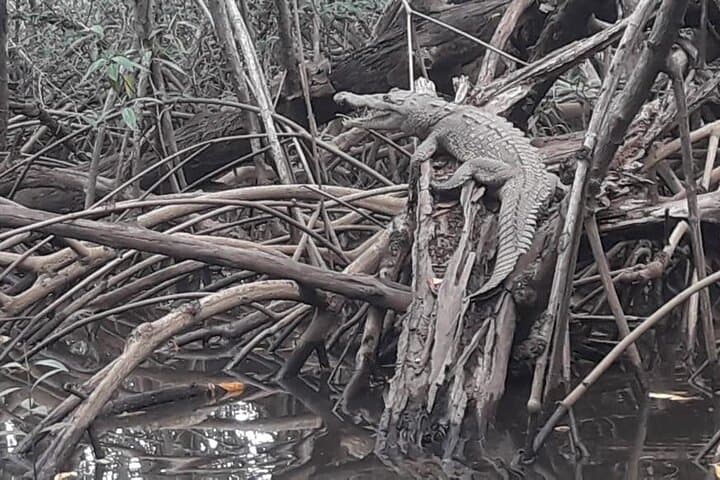
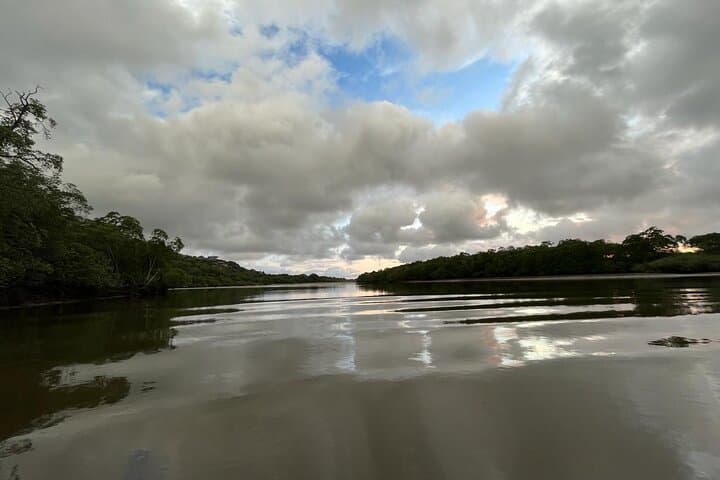
Morning fog lifts off the estuary and the boat slides through a green maze of mangroves—roots like fingers, water reflecting an open sky. Guides point silently; a heron unfurls, a crab scuttles along a root, and a crocodile basks where channel and shore meet. The ride alternates low-speed wildlife watching with a short guided walk into forest trails to seek howler and white-faced monkeys.
Morning fog lifts off the estuary and the boat slides through a green maze of mangroves—roots like fingers, water reflecting an open sky. Guides point silently; a heron unfurls, a crab scuttles along a root, and a crocodile basks where channel and shore meet. The ride alternates low-speed wildlife watching with a short guided walk into forest trails to seek howler and white-faced monkeys.
This coastline sits at the edge of Las Baulas Marine National Park, a protected zone established to preserve leatherback turtle nesting and coastal wetlands. Geologically, the estuary is a dynamic interface where river sediment and Pacific tides shape channels and mudflats; the mangrove complex acts as a nursery for fish and a filter for runoff. Local culture here is tied to fishing and conservation—guides often balance traditional knowledge with park rules to reduce human impact.
Expect easy boating with frequent stops for photos and a 20–40 minute shore walk on dirt trails and boardwalks. Cameras and binoculars reward patient observers. Follow guide instructions: keep distance from wildlife, avoid loud noises, and hold onto polarized sunglasses to cut glare on the water.
Practicalities: tours run about two hours, usually depart from Tamarindo harbor, and include life vests and transit for guests near town. Mornings are best for calm water and active birds; afternoon light favors warm tones on the mangroves. Bring sun protection, refillable water, sturdy sandals or light trail shoes, and a waterproof bag for electronics.