THE ADVENTURE COLLECTIVE® · Independent discovery and booking for outdoor travel

Board a 28-foot center console from Tamarindo for a focused half-day chase of tuna, mahi and billfish. The Blue Runner 1 pairs modern electronics with practical comforts for anglers seeking a short, productive day offshore.
Board a 28-foot center console from Tamarindo for a focused half-day chase of tuna, mahi and billfish. The Blue Runner 1 pairs modern electronics with practical comforts for anglers seeking a short, productive day offshore.
You step aboard Blue Runner 1 as the marina light loosens and the Pacific opens before you — salt on your lips, twin 150 HP engines settling into a steady thrum. The 28-foot center console rides clean and stable, shade overhead and a small head onboard; the deck smells of salt and tackle, and the horizon dares you to cast.
Verified experiences and guided adventures in the surrounding area.
Operated by Tamarindo Surf & Tours · Tamarindo, Guanacaste
You step aboard Blue Runner 1 as the marina light loosens and the Pacific opens before you — salt on your lips, twin 150 HP engines settling into a steady thrum. The 28-foot center console rides clean and stable, shade overhead and a small head onboard; the deck smells of salt and tackle, and the horizon dares you to cast.
The Guanacaste coastline around Tamarindo began as a quiet fishing village, shaped by volcanic rock and seasonal upwelling that feeds rich offshore waters. Local fishing culture remains strong: modern sportfishing grew alongside surf tourism in the 1990s, but the rhythms of tide and season still govern the day. Geology and currents concentrate bait and gamefish, creating the variety that draws anglers — from tuna and mahi to billfish.
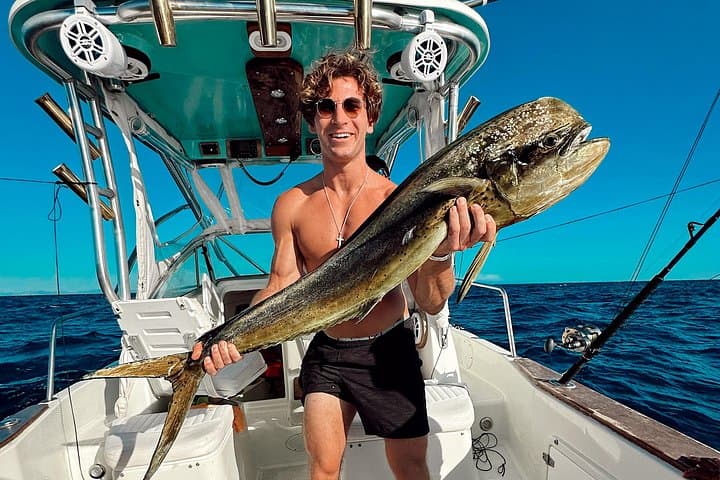
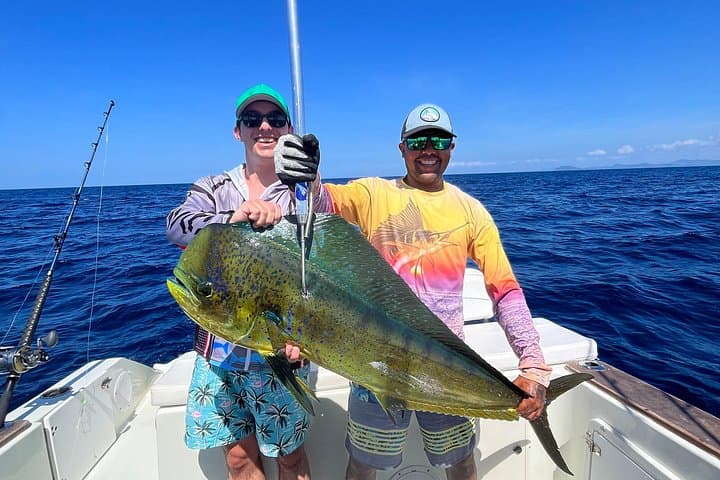
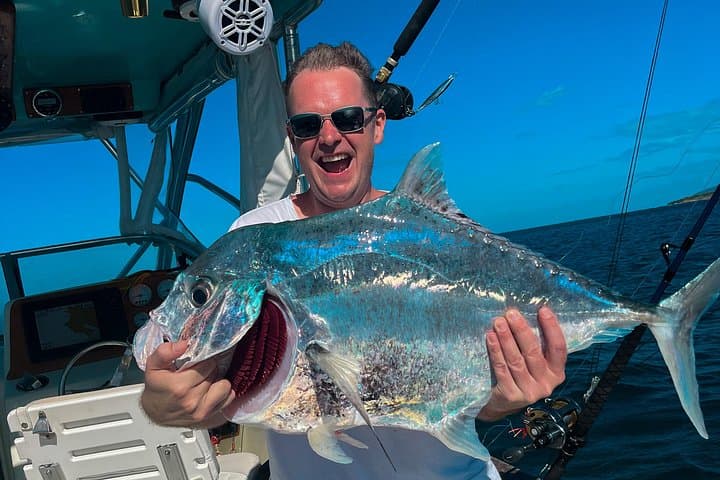
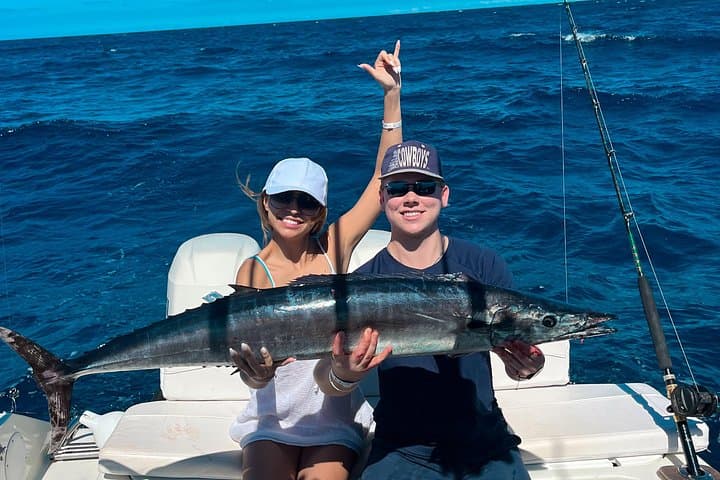
On a typical half-day (about five hours) you’ll run offshore — often 6–20 nautical miles depending on where the schools are — using onboard electronics like fishfinder and GPS to locate structure and bait. Expect a grab-bag of species: yellowfin, mahi-mahi, wahoo, roosterfish, and occasional marlin. The crew provides full fishing equipment, basic refreshments and safety gear; bring sun protection, motion-sickness meds if you’re sensitive, and ID if you plan to drink (beer allowed for 18+).
Morning light often offers the calmest seas and best bite window; afternoons can bring different species and more wind. Dress in layers for spray and sun, secure loose gear, and leave enough phone battery for photos — the ocean will hand you a moment worth keeping.
easy.
5 hours.
Light physical activity: standing, reeling, and moving on a wet deck; no special fitness required
Yes — the charter includes full fishing equipment and basic terminal tackle; confirm rod type if you require specialized gear.
Common targets include yellowfin tuna, mahi-mahi (dorado), wahoo, roosterfish, amberjack and occasionally billfish such as marlin and sailfish.
Licensing policies vary by operator; many private charters include necessary permits, so confirm with the provider before departure.
This particular private charter lists all sales final — no refunds for cancellations. Verify terms at booking and ask about rescheduling options for severe weather.
Tamarindo evolved from a small fishing village into a sportfishing and surf hub in the late 20th century, while the offshore seafloor of volcanic origin shapes local marine habitat.
Operators commonly practice catch-and-release for billfish and follow local marine park regulations; avoid bringing single-use plastics and respect nesting beaches nearby.
Tamarindo Surf & Tours operates guided outdoor trips and adventures with an emphasis on safety, stewardship, and memorable experiences.
You step aboard Blue Runner 1 as the marina light loosens and the Pacific opens before you — salt on your lips, twin 150 HP engines settling into a steady thrum. The 28-foot center console rides clean and stable, shade overhead and a small head onboard; the deck smells of salt and tackle, and the horizon dares you to cast.
You step aboard Blue Runner 1 as the marina light loosens and the Pacific opens before you — salt on your lips, twin 150 HP engines settling into a steady thrum. The 28-foot center console rides clean and stable, shade overhead and a small head onboard; the deck smells of salt and tackle, and the horizon dares you to cast.
The Guanacaste coastline around Tamarindo began as a quiet fishing village, shaped by volcanic rock and seasonal upwelling that feeds rich offshore waters. Local fishing culture remains strong: modern sportfishing grew alongside surf tourism in the 1990s, but the rhythms of tide and season still govern the day. Geology and currents concentrate bait and gamefish, creating the variety that draws anglers — from tuna and mahi to billfish.
On a typical half-day (about five hours) you’ll run offshore — often 6–20 nautical miles depending on where the schools are — using onboard electronics like fishfinder and GPS to locate structure and bait. Expect a grab-bag of species: yellowfin, mahi-mahi, wahoo, roosterfish, and occasional marlin. The crew provides full fishing equipment, basic refreshments and safety gear; bring sun protection, motion-sickness meds if you’re sensitive, and ID if you plan to drink (beer allowed for 18+).
Morning light often offers the calmest seas and best bite window; afternoons can bring different species and more wind. Dress in layers for spray and sun, secure loose gear, and leave enough phone battery for photos — the ocean will hand you a moment worth keeping.