THE ADVENTURE COLLECTIVE® · Independent discovery and booking for outdoor travel

Throttle up through river crossings and climb to 500‑meter zip lines above Guanacaste’s dry rainforest on this ATV-and-canopy combo from Tamarindo. Expect rattling tracks, canopy hum, and local guides who mix safety with regional insight.
Throttle up through river crossings and climb to 500‑meter zip lines above Guanacaste’s dry rainforest on this ATV-and-canopy combo from Tamarindo. Expect rattling tracks, canopy hum, and local guides who mix safety with regional insight.
You start on an ATV with dust in your teeth and the Pacific heat pressing at your back, engines barking as the trail peels away from the coast and climbs into the low mountains above Tamarindo. Tracks thread through secondary rainforest, cross coral-strewn rivers that dare you to find a dry line, and open onto ridgelines where the trees flatten into a green roof. At the canopy site the world changes again: harnesses click, cables hum, and a 500‑meter line lets you fly along the tree crowns with wind working like a coach at your shoulder.
Verified experiences and guided adventures in the surrounding area.
Operated by Pininos Adventures · Tamarindo, Guanacaste
You start on an ATV with dust in your teeth and the Pacific heat pressing at your back, engines barking as the trail peels away from the coast and climbs into the low mountains above Tamarindo. Tracks thread through secondary rainforest, cross coral-strewn rivers that dare you to find a dry line, and open onto ridgelines where the trees flatten into a green roof. At the canopy site the world changes again: harnesses click, cables hum, and a 500‑meter line lets you fly along the tree crowns with wind working like a coach at your shoulder.
Guanacaste’s northwestern flank is geologically young—uplifted volcanic bedrock overlain by lateritic soils that feed the thorn-scrub and patches of tropical dry forest. Historically this stretch of coast was a corridor of cattle trails and fishing villages; Huacas and Tamarindo grew more recently as surf and sport tourism connected remote farms to international travelers. The canopy experience here leverages those shifts: old ranch tracks now double as ATV routes and conservation-minded canopy operators work with private reserves to protect watersheds.
Culturally, the ride is a cross-section of Guanacaste life: ranch markers, corrals, and the occasional farmhand waving from a shaded porch. Guides often point out native trees—guanacaste, pochote—and call out howler monkeys or the flash of a motmot. The zipline feels less like a ride and more like an intimate survey of the forest’s upper rooms; birds treat you like a brief, noisy intrusion and then return to their business.
Practical guidance: wear sneakers (mandatory), light long sleeves to keep branches and sun off your arms, and bring a small daypack for water, sunscreen, and a spare shirt. Drivers must be at least 16; riders can be as young as 6. Expect roughly 2–4 hours including transfers and gear-up (the canopy segment itself runs under an hour, with lines up to about 500 meters). Hotel pickup is provided from Tamarindo and select Playa Flamingo properties—confirm your pickup point when booking. Bring a passport for ID, and avoid the tour if you’re pregnant or have significant heart conditions.
Safety and comfort go hand in hand: helmets are supplied and mandatory, instructors provide a short briefing and harness check, and guides will suggest technique for braking on longer lines. Timing matters—mornings are cooler and dryer for ATVs, and light is best for photos either early or late in the day. Finally, respect the land: stick to tracks, carry out trash, and listen to guides who balance adrenaline with local stewardship so the rivers and forests that make this ride sing stay healthy for the next rider.
moderate.
2–4 hours.
Should have moderate fitness: able to handle uneven ATV tracks, short uphill walks, and standing in a harness.
Guests must be at least 6 years old to ride the tour; drivers must be 16 or older to operate an ATV.
Pickup and drop-off are included for Tamarindo and some Playa Flamingo hotels—confirm your hotel when booking to verify service.
Plan for about 2–4 hours total including transfers and safety briefings; the canopy segment is usually under one hour.
This tour is not recommended for pregnant travelers or those with poor cardiovascular health due to physical demands and adrenaline activities.
Helmets, harnesses, and guided instruction are provided; instructors perform harness and safety checks before each line.
Tours require a minimum number of participants; if the minimum isn’t met you’ll be offered an alternative date or a full refund.
Guanacaste’s coastal routes grew from cattle and fishing trails; the area’s contemporary tourism network connected these rural tracks to Tamarindo’s surf economy in the late 20th century.
Operators often partner with local reserves to protect riparian corridors and discourage off-track riding—stick to marked trails and pack out waste.
Pininos Adventures operates guided outdoor trips and adventures with an emphasis on safety, stewardship, and memorable experiences.
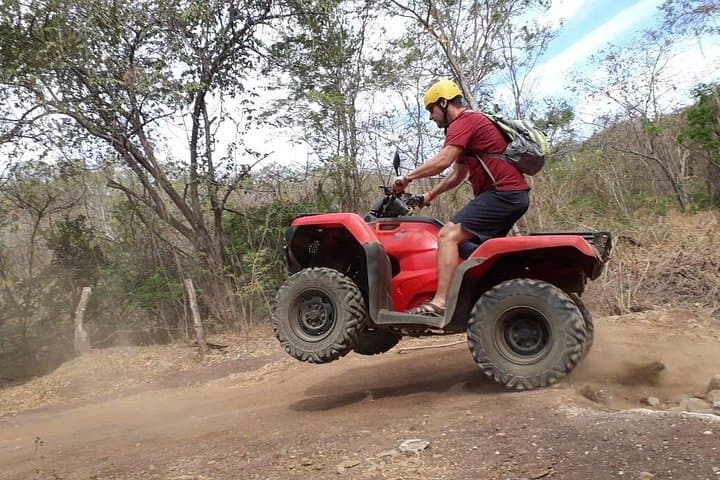
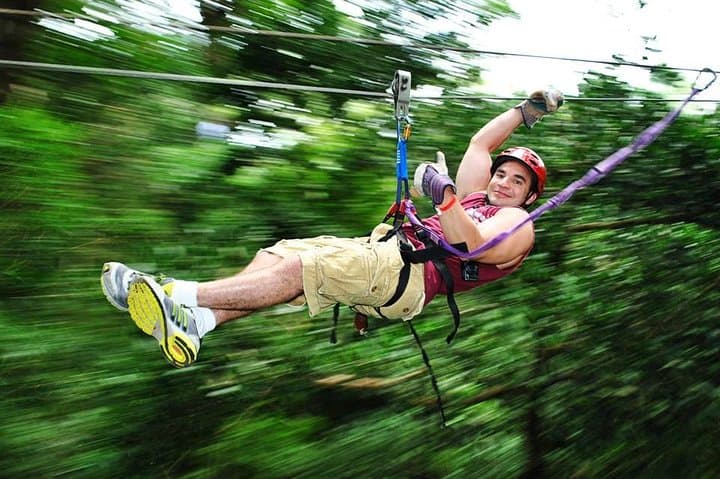
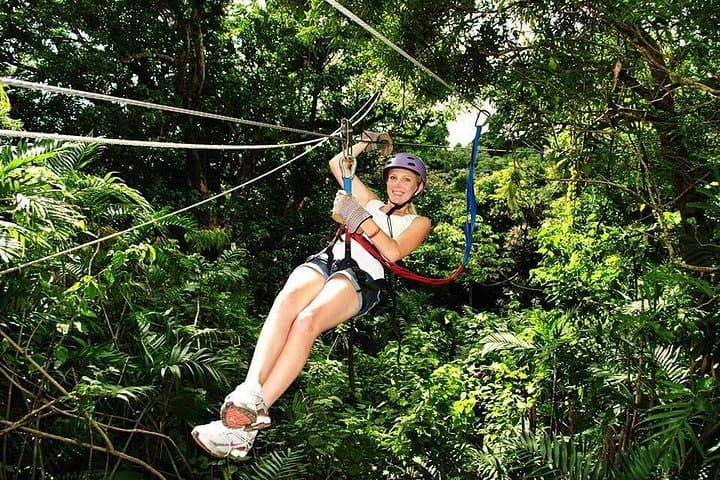
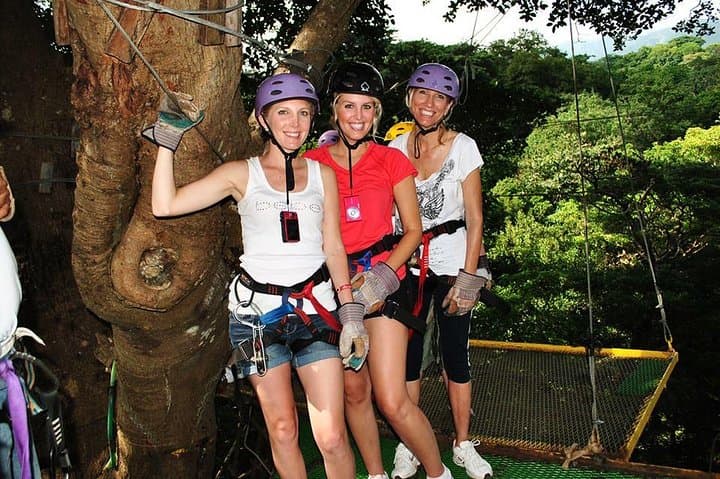
You start on an ATV with dust in your teeth and the Pacific heat pressing at your back, engines barking as the trail peels away from the coast and climbs into the low mountains above Tamarindo. Tracks thread through secondary rainforest, cross coral-strewn rivers that dare you to find a dry line, and open onto ridgelines where the trees flatten into a green roof. At the canopy site the world changes again: harnesses click, cables hum, and a 500‑meter line lets you fly along the tree crowns with wind working like a coach at your shoulder.
You start on an ATV with dust in your teeth and the Pacific heat pressing at your back, engines barking as the trail peels away from the coast and climbs into the low mountains above Tamarindo. Tracks thread through secondary rainforest, cross coral-strewn rivers that dare you to find a dry line, and open onto ridgelines where the trees flatten into a green roof. At the canopy site the world changes again: harnesses click, cables hum, and a 500‑meter line lets you fly along the tree crowns with wind working like a coach at your shoulder.
Guanacaste’s northwestern flank is geologically young—uplifted volcanic bedrock overlain by lateritic soils that feed the thorn-scrub and patches of tropical dry forest. Historically this stretch of coast was a corridor of cattle trails and fishing villages; Huacas and Tamarindo grew more recently as surf and sport tourism connected remote farms to international travelers. The canopy experience here leverages those shifts: old ranch tracks now double as ATV routes and conservation-minded canopy operators work with private reserves to protect watersheds.
Culturally, the ride is a cross-section of Guanacaste life: ranch markers, corrals, and the occasional farmhand waving from a shaded porch. Guides often point out native trees—guanacaste, pochote—and call out howler monkeys or the flash of a motmot. The zipline feels less like a ride and more like an intimate survey of the forest’s upper rooms; birds treat you like a brief, noisy intrusion and then return to their business.
Practical guidance: wear sneakers (mandatory), light long sleeves to keep branches and sun off your arms, and bring a small daypack for water, sunscreen, and a spare shirt. Drivers must be at least 16; riders can be as young as 6. Expect roughly 2–4 hours including transfers and gear-up (the canopy segment itself runs under an hour, with lines up to about 500 meters). Hotel pickup is provided from Tamarindo and select Playa Flamingo properties—confirm your pickup point when booking. Bring a passport for ID, and avoid the tour if you’re pregnant or have significant heart conditions.
Safety and comfort go hand in hand: helmets are supplied and mandatory, instructors provide a short briefing and harness check, and guides will suggest technique for braking on longer lines. Timing matters—mornings are cooler and dryer for ATVs, and light is best for photos either early or late in the day. Finally, respect the land: stick to tracks, carry out trash, and listen to guides who balance adrenaline with local stewardship so the rivers and forests that make this ride sing stay healthy for the next rider.