THE ADVENTURE COLLECTIVE® · Independent discovery and booking for outdoor travel

Combine wildlife rescue work and centuries-old temples on a private day trip from Phnom Penh. Visit Phnom Tamao Wildlife Rescue Center and the lakeside temples at Tonle Bati for a compact mix of nature and culture.
Combine wildlife rescue work and centuries-old temples on a private day trip from Phnom Penh. Visit Phnom Tamao Wildlife Rescue Center and the lakeside temples at Tonle Bati for a compact mix of nature and culture.
The day begins on the highway south of Phnom Penh, the city thinning into rice paddies and scrub; a private driver steers and the air changes—birds call from the roadside and the road climbs toward the green rise of Tamao Mountain.
Verified experiences and guided adventures in the surrounding area.
Operated by Private Tour Guide-Phnom Penh · Phnom Penh, Kandal
The day begins on the highway south of Phnom Penh, the city thinning into rice paddies and scrub; a private driver steers and the air changes—birds call from the roadside and the road climbs toward the green rise of Tamao Mountain.
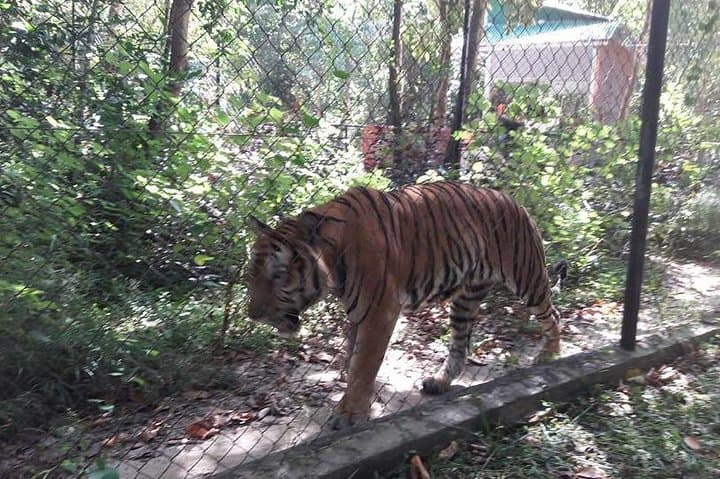
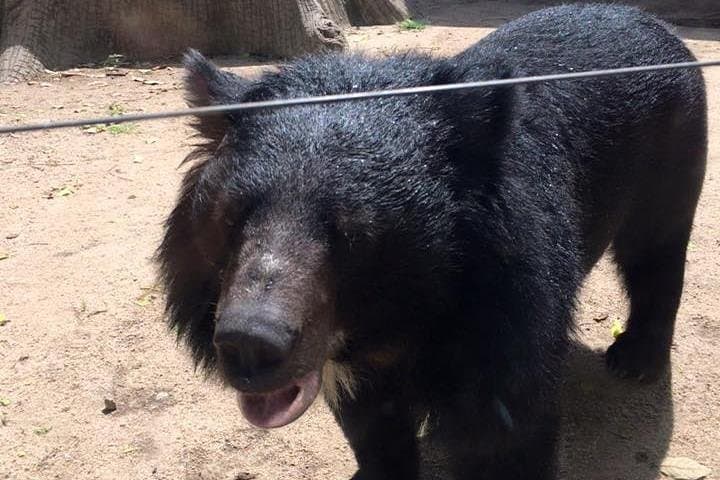
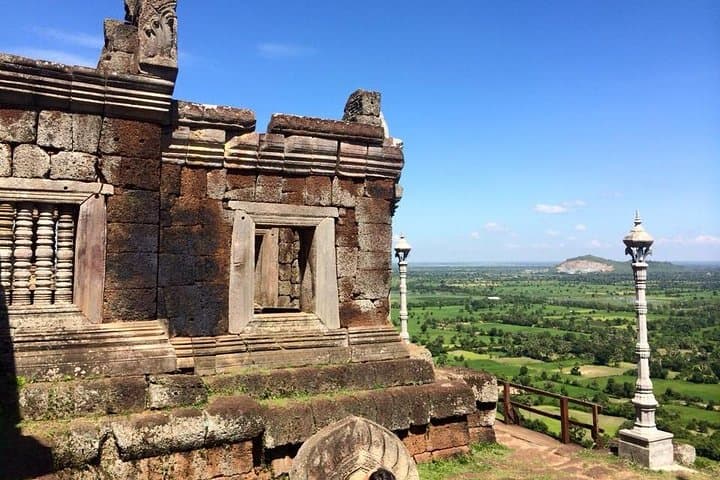
At Phnom Tamao Wildlife Rescue Center the mood shifts: enclosures tucked into forested slopes hold animals rescued from trafficking, and a small 11th-century temple perch recalls the area’s ancient Hindu past. The center’s work is visible—keepers, cages that double as recovery spaces, and a mix of species that once shared these lowland forests.
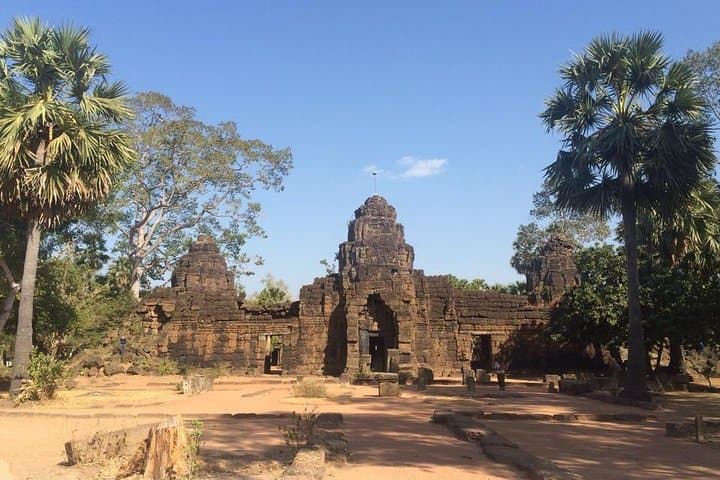
A short drive later Tonle Bati opens as a cultural counterpoint: a shallow lake rimmed with bamboo pavilions and the crumbling stones of Ta Promh and Yeay Peov. Wat Tonle Bati, with origins recorded in the 16th century (pagoda built 1576), anchors local worship and weekend picnics; you’ll see families renting over-water shacks and monks in saffron robes moving through the heat.
Geology here is quietly simple—low, weathered sandstone and alluvial flats that fed Khmer settlement patterns. The route mixes wildlife rescue, temple archaeology, and everyday Cambodian life.
Practical note: expect 5–7 hours, some walking on uneven ground, strong sun and mosquitoes most of the year. Bring water, sturdy shoes, and modest temple clothing. A private guide improves learning and supports conservation funding at the rescue center. Plan pickups early to avoid mid-afternoon heat; the trip balances nature viewing with cultural context in a single, manageable day from Phnom Penh.
easy.
5–7 hours.
Suitable for most fitness levels; involves short walks on uneven terrain and standing during animal viewings
Private pickup is typically included; confirm your exact pickup point during booking and allow time for traffic.
Admission policies vary—confirm with the operator; donations to the rescue center are often encouraged but may be separate from tour costs.
Yes; the operator notes infant seats are available and the experience is suitable for all fitness levels, but children should be supervised around animals and water.
Yes—bamboo pavilions and local vendors operate at Tonle Bati; bring cash for food rentals and small purchases.
Tamao hosts an 11th-century temple tied to Brahmanic practice; Wat Tonle Bati’s pagoda dates to 1576 and the site has long been a local pilgrimage and picnic area.
Phnom Tamao functions as a rescue and rehabilitation center for animals seized from illegal trade; visitors help fund care but should follow all caretaker rules to minimize stress to animals.
Private Tour Guide-Phnom Penh operates guided outdoor trips and adventures with an emphasis on safety, stewardship, and memorable experiences.
The day begins on the highway south of Phnom Penh, the city thinning into rice paddies and scrub; a private driver steers and the air changes—birds call from the roadside and the road climbs toward the green rise of Tamao Mountain.
The day begins on the highway south of Phnom Penh, the city thinning into rice paddies and scrub; a private driver steers and the air changes—birds call from the roadside and the road climbs toward the green rise of Tamao Mountain.
At Phnom Tamao Wildlife Rescue Center the mood shifts: enclosures tucked into forested slopes hold animals rescued from trafficking, and a small 11th-century temple perch recalls the area’s ancient Hindu past. The center’s work is visible—keepers, cages that double as recovery spaces, and a mix of species that once shared these lowland forests.
A short drive later Tonle Bati opens as a cultural counterpoint: a shallow lake rimmed with bamboo pavilions and the crumbling stones of Ta Promh and Yeay Peov. Wat Tonle Bati, with origins recorded in the 16th century (pagoda built 1576), anchors local worship and weekend picnics; you’ll see families renting over-water shacks and monks in saffron robes moving through the heat.
Geology here is quietly simple—low, weathered sandstone and alluvial flats that fed Khmer settlement patterns. The route mixes wildlife rescue, temple archaeology, and everyday Cambodian life.
Practical note: expect 5–7 hours, some walking on uneven ground, strong sun and mosquitoes most of the year. Bring water, sturdy shoes, and modest temple clothing. A private guide improves learning and supports conservation funding at the rescue center. Plan pickups early to avoid mid-afternoon heat; the trip balances nature viewing with cultural context in a single, manageable day from Phnom Penh.