THE ADVENTURE COLLECTIVE® · Independent discovery and booking for outdoor travel

Spend a focused half-day with a private guide through Tamale’s markets, leather workshops, and shea cooperatives. Ideal for travelers with a flight to catch, this tour pairs cultural insight with direct shopping from local artisans.
Spend a focused half-day with a private guide through Tamale’s markets, leather workshops, and shea cooperatives. Ideal for travelers with a flight to catch, this tour pairs cultural insight with direct shopping from local artisans.
A morning in Tamale arrives like a slow drumbeat: motorbikes thread through open-air stalls, vendors call out over the smell of frying millet cakes, and red laterite dust lifts in the wake of passing cars.
Verified experiences and guided adventures in the surrounding area.
Operated by Ghana Must Go Tours · Tamale, Northern Region
A morning in Tamale arrives like a slow drumbeat: motorbikes thread through open-air stalls, vendors call out over the smell of frying millet cakes, and red laterite dust lifts in the wake of passing cars.
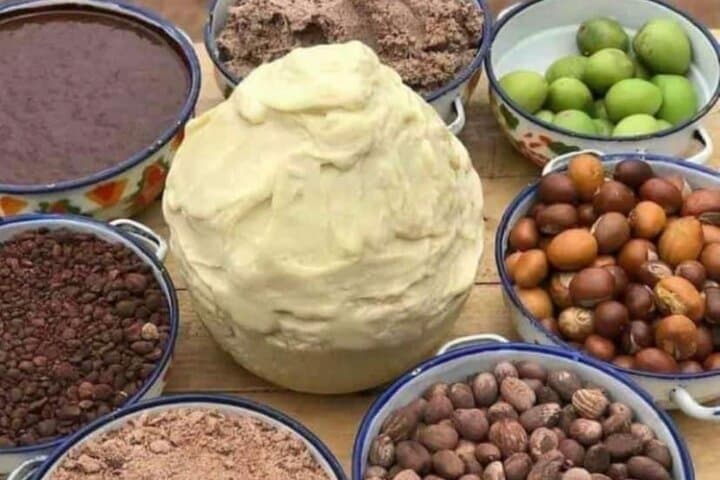
This private half-day tour moves at that human pace — a compact introduction to the Northern Region’s capital. Tamale is the administrative heart of the Dagomba people; its low, flat skyline and sun-baked clay speak to the savanna geology and decades of trade that shaped the city. Visitors pass leather workshops where hides are turned into belts and drums, browse the Central Market’s tangle of spices and glass beads, and can visit cooperatives where women process shea butter from the surrounding shea trees — an economic lifeline and cultural product with deep local roots.
Expect paved streets, short market alleys, and a few dirt paths near craft studios; elevation change is negligible and most walking totals roughly 2–3 km spread over the tour. The tour is ideal for travelers with limited time who want a concentrated cultural snapshot and opportunities to buy directly from artisans.
Practical guidance: plan for 3–4 hours, wear closed-toe shoes for market crowds, carry small-denomination cedi for purchases, and keep sunscreen and a refillable water bottle on hand. Coordinate timing with your flight if using the included airport drop-off — guides can tailor stops to the time you have. This is a straightforward, hands-on introduction to Tamale’s crafts, cuisine, and markets.
easy.
3–4 hours.
Light walking and short standing periods; suitable for most travelers with average mobility
The standard duration is about 4 hours; because it’s a private tour the guide can shorten or extend stops based on your flight schedule or interests.
Yes — the itinerary can include a visit to a women’s shea cooperative where you can observe processing and buy directly from producers.
Yes. Bring small Ghanaian cedi notes for market purchases, snacks, and tips; card payments are uncommon at smaller stalls.
Yes. The tour is rated easy with short walks and vehicle transfers; notify the operator of mobility needs when booking so they can accommodate you.
Tamale grew as a trading center in the northern savanna and is the cultural hub of the Dagomba people; its markets reflect centuries of north–south trade routes.
Buying directly from shea cooperatives supports women’s livelihoods; visitors should avoid single-use plastics in markets and ask artisans about sustainable sourcing.
Ghana Must Go Tours operates guided outdoor trips and adventures with an emphasis on safety, stewardship, and memorable experiences.
A morning in Tamale arrives like a slow drumbeat: motorbikes thread through open-air stalls, vendors call out over the smell of frying millet cakes, and red laterite dust lifts in the wake of passing cars.
A morning in Tamale arrives like a slow drumbeat: motorbikes thread through open-air stalls, vendors call out over the smell of frying millet cakes, and red laterite dust lifts in the wake of passing cars.
This private half-day tour moves at that human pace — a compact introduction to the Northern Region’s capital. Tamale is the administrative heart of the Dagomba people; its low, flat skyline and sun-baked clay speak to the savanna geology and decades of trade that shaped the city. Visitors pass leather workshops where hides are turned into belts and drums, browse the Central Market’s tangle of spices and glass beads, and can visit cooperatives where women process shea butter from the surrounding shea trees — an economic lifeline and cultural product with deep local roots.
Expect paved streets, short market alleys, and a few dirt paths near craft studios; elevation change is negligible and most walking totals roughly 2–3 km spread over the tour. The tour is ideal for travelers with limited time who want a concentrated cultural snapshot and opportunities to buy directly from artisans.
Practical guidance: plan for 3–4 hours, wear closed-toe shoes for market crowds, carry small-denomination cedi for purchases, and keep sunscreen and a refillable water bottle on hand. Coordinate timing with your flight if using the included airport drop-off — guides can tailor stops to the time you have. This is a straightforward, hands-on introduction to Tamale’s crafts, cuisine, and markets.