THE ADVENTURE COLLECTIVE® · Independent discovery and booking for outdoor travel

Float out of the city and into the Tama River’s gorges for a focused two-hour rafting run. Expect class II–III rapids, a jump rock stop, and expert local guides who handle logistics so you can focus on the river.
Float out of the city and into the Tama River’s gorges for a focused two-hour rafting run. Expect class II–III rapids, a jump rock stop, and expert local guides who handle logistics so you can focus on the river.
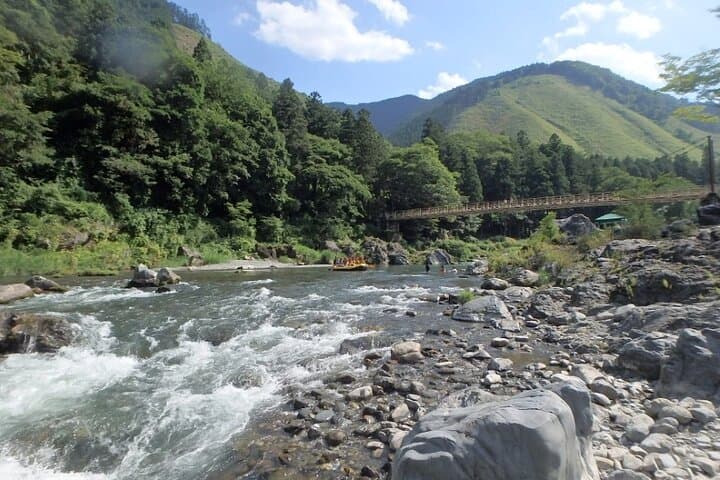
A low roar of water, a cluster of oars, and the green walls of the Tama River closing in—this is the first moment on the Ome stretch that tells you the city is behind you and the river has the agenda.
Verified experiences and guided adventures in the surrounding area.
Operated by Beauty of Japan · Ome, Tokyo
A low roar of water, a cluster of oars, and the green walls of the Tama River closing in—this is the first moment on the Ome stretch that tells you the city is behind you and the river has the agenda.
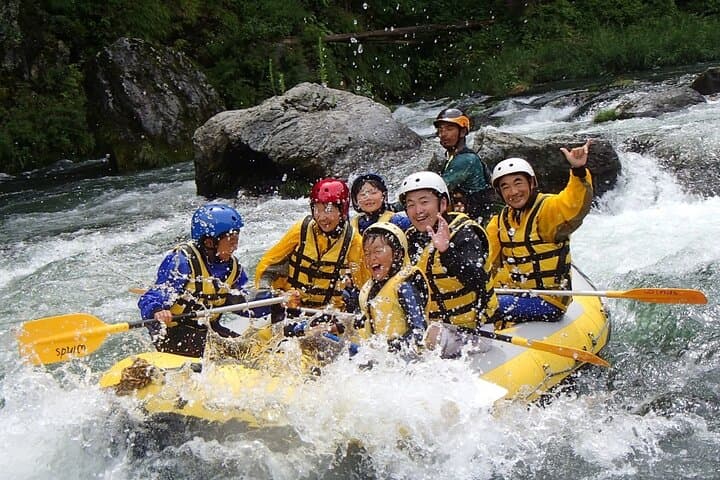
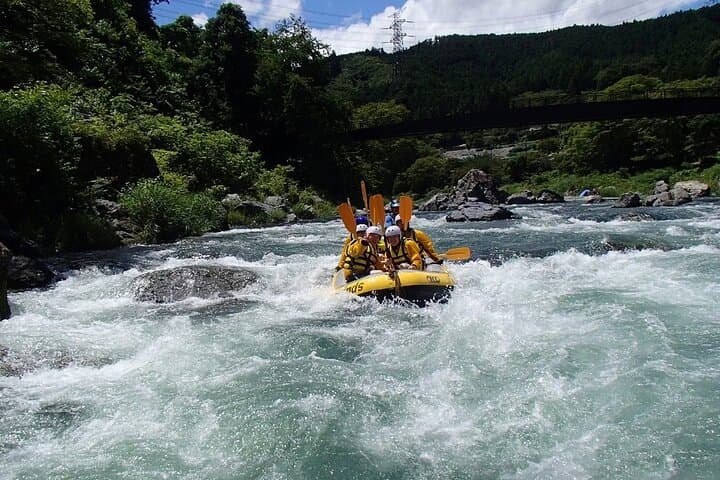
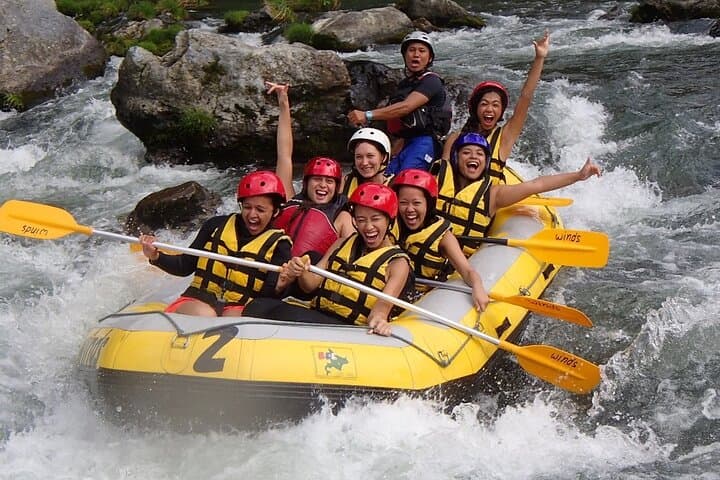
The Tama River cuts west from Tokyo into the Okutama foothills, carving tight gorges through volcanic and sedimentary rock that reveal layers of the region’s geologic past. Historically the river corridor fed early settlements and provided timber and freshwater to the growing Tokyo basin; today it’s a weekend escape where local guides balance adrenaline with respect for the river’s flow. Expect class II–III rapids on a standard morning run, the odd playful wave that rocks the raft, and a stop at a jump rock where groups test a controlled plunge into cool water.
Culturally the area mixes small post-town shops in Ome with mountain shrines upstream—raft operators often point out river lore and seasonal changes as part of the experience. On summer days the current dares you; in spring snowmelt thickens the flow and sharpens eddies. Guides provide helmets, PFDs, and instruction, so beginners ride with confidence while the river keeps its edge.
Practically: the tour runs about two hours, with a 90–120 minute on-water segment and time for briefing and changing. Wear a quick-dry layer, secure water shoes, and bring a change of clothes. Hydrate before arrival and follow guide briefing on paddle commands. For most people this is an accessible, vivid way to feel the Tama’s energy and see Tokyo’s wild side without long travel.
moderate.
2 hours.
Suitable for most people in average fitness; ability to follow instruction and basic swimming comfort recommended
No—this run is designed for beginners and guided by professionals; the course uses simple paddle commands and safety briefings.
Yes—guides supply PFDs, helmets, and other safety equipment as part of the tour package.
Take the JR Ome Line toward Ome; the operator base is roughly 60–90 minutes from central Tokyo by train plus a short transfer—check the operator’s directions for exact meeting points.
Operators typically set minimum age and weight limits and advise against participation for pregnant guests or people with serious back/heart conditions; check booking details before you go.
The Tama River corridor has long supplied Tokyo with water and timber; towns like Ome developed as access points for river trade and mountain routes.
Operators work within local regulations to limit bank disturbance and emphasize ‘pack out what you bring’ policies; seasonal water levels are monitored to protect spawning and river ecology.
Beauty of Japan operates guided outdoor trips and adventures with an emphasis on safety, stewardship, and memorable experiences.
A low roar of water, a cluster of oars, and the green walls of the Tama River closing in—this is the first moment on the Ome stretch that tells you the city is behind you and the river has the agenda.
A low roar of water, a cluster of oars, and the green walls of the Tama River closing in—this is the first moment on the Ome stretch that tells you the city is behind you and the river has the agenda.
The Tama River cuts west from Tokyo into the Okutama foothills, carving tight gorges through volcanic and sedimentary rock that reveal layers of the region’s geologic past. Historically the river corridor fed early settlements and provided timber and freshwater to the growing Tokyo basin; today it’s a weekend escape where local guides balance adrenaline with respect for the river’s flow. Expect class II–III rapids on a standard morning run, the odd playful wave that rocks the raft, and a stop at a jump rock where groups test a controlled plunge into cool water.
Culturally the area mixes small post-town shops in Ome with mountain shrines upstream—raft operators often point out river lore and seasonal changes as part of the experience. On summer days the current dares you; in spring snowmelt thickens the flow and sharpens eddies. Guides provide helmets, PFDs, and instruction, so beginners ride with confidence while the river keeps its edge.
Practically: the tour runs about two hours, with a 90–120 minute on-water segment and time for briefing and changing. Wear a quick-dry layer, secure water shoes, and bring a change of clothes. Hydrate before arrival and follow guide briefing on paddle commands. For most people this is an accessible, vivid way to feel the Tama’s energy and see Tokyo’s wild side without long travel.