THE ADVENTURE COLLECTIVE® · Independent discovery and booking for outdoor travel

Cross the Gulf of Finland in comfort with Eckerö Line: a roughly 2.5-hour ferry linking Tallinn and Helsinki with regular daily departures, onboard dining, and central ports. This guide covers what to expect, timing, and practical tips for making the crossing smooth.
Cross the Gulf of Finland in comfort with Eckerö Line: a roughly 2.5-hour ferry linking Tallinn and Helsinki with regular daily departures, onboard dining, and central ports. This guide covers what to expect, timing, and practical tips for making the crossing smooth.
A brisk Baltic wind cuts across the open deck as the ferry slips away from Tallinn’s quay, the medieval spires of the old town shrinking while Helsinki’s modern skyline begins to loom on the horizon. The crossing across the Gulf of Finland is a contained voyage: two hours and thirty minutes of salt-scented air, café light, and a steady, confident thrust through cool blue water.
Verified experiences and guided adventures in the surrounding area.
Operated by Ferryhopper · Tallinn, Harju County
A brisk Baltic wind cuts across the open deck as the ferry slips away from Tallinn’s quay, the medieval spires of the old town shrinking while Helsinki’s modern skyline begins to loom on the horizon. The crossing across the Gulf of Finland is a contained voyage: two hours and thirty minutes of salt-scented air, café light, and a steady, confident thrust through cool blue water.
This sea lane has linked these capitals for centuries — from Hanseatic trading ships to 19th-century steamers — and today’s modern ferries continue that short but storied connection. Geologically, you cross a shallow arm of the Baltic; islands and skerries punctuate the approach to Helsinki, and low glacial ridges shape both coasts. Culturally, you move between Estonia’s cobbled history and Finland’s clean-lined design; the boat is a convenient seam between two different urban rhythms.
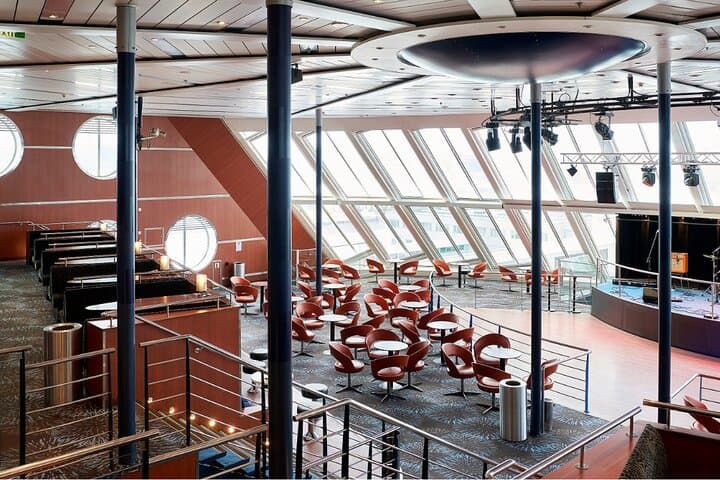
Practically: arrive at Tallinn Terminal A or Helsinki West Terminal 2 at least 60 minutes before departure to collect paper tickets and clear passenger checks. The vessel offers lounges, cafés, and accessible facilities; luggage is allowed at no extra charge. Seas can be calm or brisk — seats with a view are best on the open deck or starboard side for afternoon light. For same-day returns, book separate one-way tickets and plan transit time to central stations on arrival.
Bring a valid passport, dress in layers against sea spray, and carry motion-sickness remedies if you’re sensitive — the crossing is straightforward but weather-dependent. Follow onboard guidance for safety and enjoy a short, efficient sea passage that turns transit into part of the trip.
easy.
2–3 hours.
Suitable for all fitness levels; primarily seated and accessible.
Typical crossings take about 2 hours 30 minutes, though schedule times and conditions can extend this slightly.
Yes — you must carry a valid passport or accepted national ID for border checks between Estonia and Finland.
Yes — standard suitcases and bags are allowed at no extra charge; you’ll collect them after disembarkation.
Yes — terminals and the vessel have accessible routes and facilities; contact the operator in advance for specific assistance.
The Tallinn–Helsinki maritime connection dates to medieval Hanseatic trade and later 19th-century steamship routes that linked Baltic capitals.
The Baltic Sea is environmentally sensitive; avoid littering, minimize single-use plastics, and follow onboard recycling. Operators monitor emissions and aim to reduce impact—choose public transport to and from terminals to lower your footprint.
Ferryhopper operates guided outdoor trips and adventures with an emphasis on safety, stewardship, and memorable experiences.
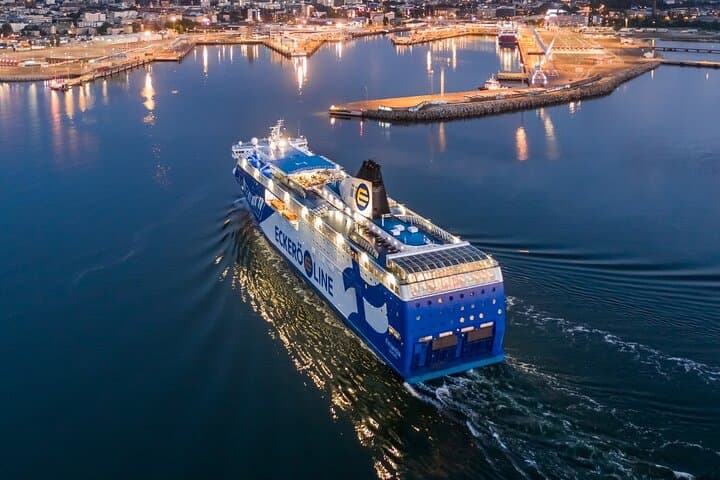
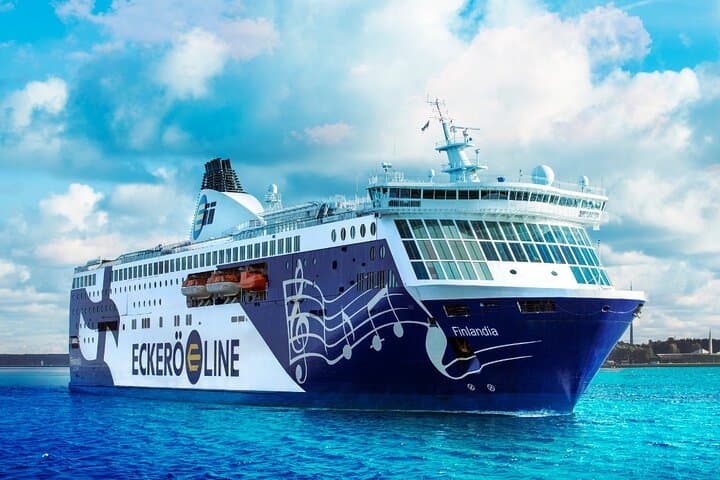

A brisk Baltic wind cuts across the open deck as the ferry slips away from Tallinn’s quay, the medieval spires of the old town shrinking while Helsinki’s modern skyline begins to loom on the horizon. The crossing across the Gulf of Finland is a contained voyage: two hours and thirty minutes of salt-scented air, café light, and a steady, confident thrust through cool blue water.
A brisk Baltic wind cuts across the open deck as the ferry slips away from Tallinn’s quay, the medieval spires of the old town shrinking while Helsinki’s modern skyline begins to loom on the horizon. The crossing across the Gulf of Finland is a contained voyage: two hours and thirty minutes of salt-scented air, café light, and a steady, confident thrust through cool blue water.
This sea lane has linked these capitals for centuries — from Hanseatic trading ships to 19th-century steamers — and today’s modern ferries continue that short but storied connection. Geologically, you cross a shallow arm of the Baltic; islands and skerries punctuate the approach to Helsinki, and low glacial ridges shape both coasts. Culturally, you move between Estonia’s cobbled history and Finland’s clean-lined design; the boat is a convenient seam between two different urban rhythms.
Practically: arrive at Tallinn Terminal A or Helsinki West Terminal 2 at least 60 minutes before departure to collect paper tickets and clear passenger checks. The vessel offers lounges, cafés, and accessible facilities; luggage is allowed at no extra charge. Seas can be calm or brisk — seats with a view are best on the open deck or starboard side for afternoon light. For same-day returns, book separate one-way tickets and plan transit time to central stations on arrival.
Bring a valid passport, dress in layers against sea spray, and carry motion-sickness remedies if you’re sensitive — the crossing is straightforward but weather-dependent. Follow onboard guidance for safety and enjoy a short, efficient sea passage that turns transit into part of the trip.