THE ADVENTURE COLLECTIVE® · Independent discovery and booking for outdoor travel

Walk Tallinn’s Old Town at your own pace with a 2-hour, 2.8 km self-guided audio tour. Start at Viru Gate and follow medieval alleys to Toompea Castle, Kohtuotsa viewpoint and artisan courtyards while listening to bilingual stories and quizzes.
Walk Tallinn’s Old Town at your own pace with a 2-hour, 2.8 km self-guided audio tour. Start at Viru Gate and follow medieval alleys to Toompea Castle, Kohtuotsa viewpoint and artisan courtyards while listening to bilingual stories and quizzes.
Start at the Viru Gate where twin towers frame the cobbled entrance and the city exhales a wind off the Baltic that smells faintly of salt and roasted coffee.
Verified experiences and guided adventures in the surrounding area.
Operated by Ciceru · Tallinn, Harju County
Start at the Viru Gate where twin towers frame the cobbled entrance and the city exhales a wind off the Baltic that smells faintly of salt and roasted coffee.
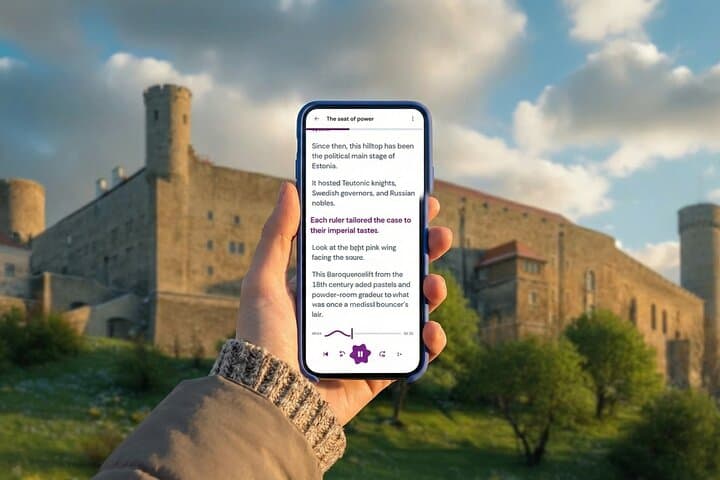
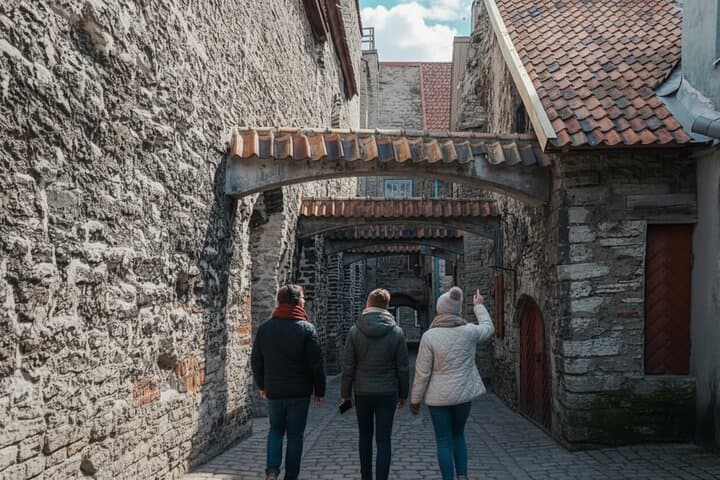
This two-hour, 2.8 km loop threads through narrow alleys and market squares, passing St. Catherine’s Passage, the towered silhouette of Toompea Castle and the crooked terraces of Kohtuotsa viewpoint. The audio guide drops short stories and local jokes at key moments—perfect for stepping into history without the pressure of a group.
Tallinn’s Old Town grew wealthy as a Hanseatic trading hub; remnants of that merchant era—brick storehouses, guild signs and defensive towers—still shape the streets. Toompea sits on limestone bedrock that raised the city above the harbor; the Danish and later empires left layers of architecture and contested viewpoints. Today the neighborhood mixes living artisans, Orthodox domes and modern cafés beneath medieval roofs.
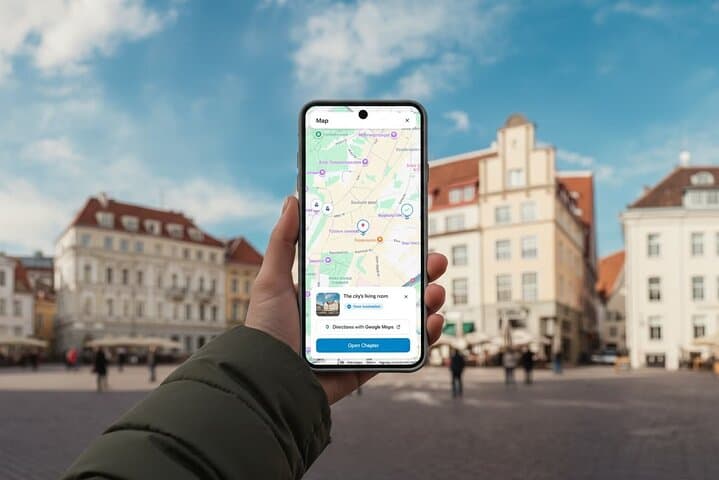
For practical navigation, start at Viru Gate and follow the recommended 2.8 km route clockwise to avoid early crowds. Allow two hours to stop for photos, a quick museum detour or a pastry at a courtyard café. Comfortable shoes are key—expect uneven cobbles and a few short, steep climbs. The audio guide is phone-based and multilingual; use wired or noise-isolating earbuds to hear ambient facts over street noise.
Plan for public-transport access to and from the gate, and aim for early morning or late afternoon to catch softer light and thinner crowds. With history in your ears and the city underfoot, this self-guided route offers a textured, practical way to know Tallinn on your own terms.
easy.
2 hours.
Suitable for all fitness levels; requires basic mobility to handle cobbles and short inclines
The route covers about 2.8 km and is designed to take roughly 2 hours including short stops for photos.
The guide is available in multiple languages including English, German, Italian, French, Spanish, Portuguese and Chinese.
The suggested start is Viru Gate; the route loops through Old Town and finishes at Kohtuotsa viewpoint near Toompea.
The tour is rated easy but includes uneven cobbles and short steep sections; it may be difficult for visitors with significant mobility limitations.
Tallinn’s Old Town grew wealthy as part of the Hanseatic League; Toompea hill has been a strategic seat since Danish rule in the 13th century.
Respect the fragile medieval fabric—avoid scraping cobbles with heavy luggage, follow marked paths and support local artisans to help sustain the area.
Ciceru operates guided outdoor trips and adventures with an emphasis on safety, stewardship, and memorable experiences.

Start at the Viru Gate where twin towers frame the cobbled entrance and the city exhales a wind off the Baltic that smells faintly of salt and roasted coffee.
Start at the Viru Gate where twin towers frame the cobbled entrance and the city exhales a wind off the Baltic that smells faintly of salt and roasted coffee.
This two-hour, 2.8 km loop threads through narrow alleys and market squares, passing St. Catherine’s Passage, the towered silhouette of Toompea Castle and the crooked terraces of Kohtuotsa viewpoint. The audio guide drops short stories and local jokes at key moments—perfect for stepping into history without the pressure of a group.
Tallinn’s Old Town grew wealthy as a Hanseatic trading hub; remnants of that merchant era—brick storehouses, guild signs and defensive towers—still shape the streets. Toompea sits on limestone bedrock that raised the city above the harbor; the Danish and later empires left layers of architecture and contested viewpoints. Today the neighborhood mixes living artisans, Orthodox domes and modern cafés beneath medieval roofs.
For practical navigation, start at Viru Gate and follow the recommended 2.8 km route clockwise to avoid early crowds. Allow two hours to stop for photos, a quick museum detour or a pastry at a courtyard café. Comfortable shoes are key—expect uneven cobbles and a few short, steep climbs. The audio guide is phone-based and multilingual; use wired or noise-isolating earbuds to hear ambient facts over street noise.
Plan for public-transport access to and from the gate, and aim for early morning or late afternoon to catch softer light and thinner crowds. With history in your ears and the city underfoot, this self-guided route offers a textured, practical way to know Tallinn on your own terms.