THE ADVENTURE COLLECTIVE® · Independent discovery and booking for outdoor travel

Two hours in a Tallinn climbing gym teaches rope work, belaying, and route reading in a controlled, social setting. Perfect for beginners and groups looking for an active city experience with professional instruction.
Two hours in a Tallinn climbing gym teaches rope work, belaying, and route reading in a controlled, social setting. Perfect for beginners and groups looking for an active city experience with professional instruction.
Inside a bright climbing gym on the edge of Tallinn’s compact city center, colored holds climb the walls like urban lichens and the rhythm of clipped carabiners fills the air. Rope tension hums underfoot as instructors check harnesses and routes are read like maps—short, punchy problems for beginners and taller top-ropes for anyone chasing vertical exposure without the weather’s mercy.
Verified experiences and guided adventures in the surrounding area.
Operated by Tallinn Stag Weekend · Tallinn, Harju County
Inside a bright climbing gym on the edge of Tallinn’s compact city center, colored holds climb the walls like urban lichens and the rhythm of clipped carabiners fills the air. Rope tension hums underfoot as instructors check harnesses and routes are read like maps—short, punchy problems for beginners and taller top-ropes for anyone chasing vertical exposure without the weather’s mercy.
Estonia’s coastline and limestone bedrock aren’t on display here, but the country’s long seafaring and Hanseatic history shows up in Tallinn’s practical approach to sport and recreation: efficient facilities, straightforward instruction, and an openness to trying new skills. Climbing walls in Tallinn reflect a growing Baltic climbing culture that borrows techniques from Scandinavia and Central Europe.
Expect two focused hours of movement—warm-ups, coached belaying, and a progression through easy-to-intermediate routes. The gym setting lets novices learn rope work, partner checks, and footwork in a controlled environment; more experienced climbers can test endurance on longer routes.
Practical notes: arrive 15 minutes early for gear and briefing (climbing shoes are usually provided), wear breathable athletic clothing, and keep hydrated—indoor air can be dry. Bookings are typically instant and final, so confirm availability before you travel. For groups, the session works well as a physical, social activity with clear safety protocols. Tallinn Indoor Climbing is less about alpine adventure and more about building skills, confidence, and a respect for vertical movement—the kind of place where a steady hand and focused breath get you to the top.
moderate.
2 hours.
Suitable for most fitness levels; expect short, intense bursts of upper-body and core work—basic mobility and cardio help.
No—most sessions are designed for beginners with step-by-step instruction in belaying and basic movement.
Many gyms include climbing shoe rentals; check your booking details but plan to bring socks and know sizes in advance.
This specific booking is final sale with no refunds; sessions may be cancelled if minimum participants aren’t met—confirm before travel.
Yes—groups are common, but participants must be sober and capable of following safety instructions; inform providers of special requirements when booking.
Tallinn’s climbing gyms have grown alongside broader recreational trends in the Baltics; the city’s compact medieval core contrasts with modern sports facilities on its outskirts.
Indoor climbing concentrates impact in a controlled space, but local gyms often encourage gear rental and responsible travel to reduce waste and energy use.
Tallinn Stag Weekend operates guided outdoor trips and adventures with an emphasis on safety, stewardship, and memorable experiences.
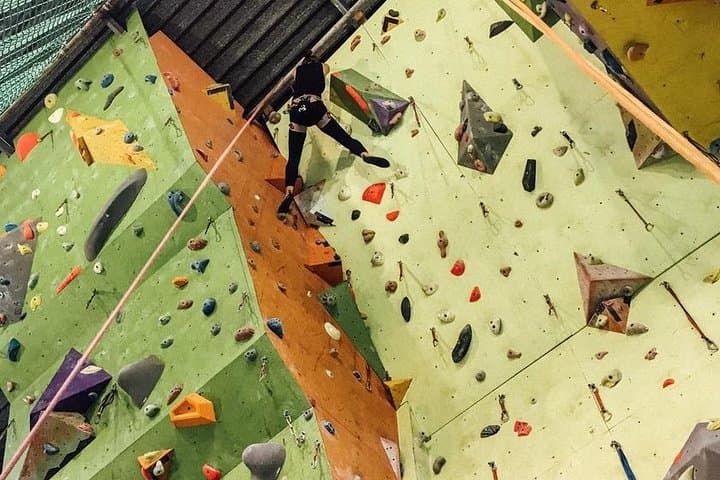
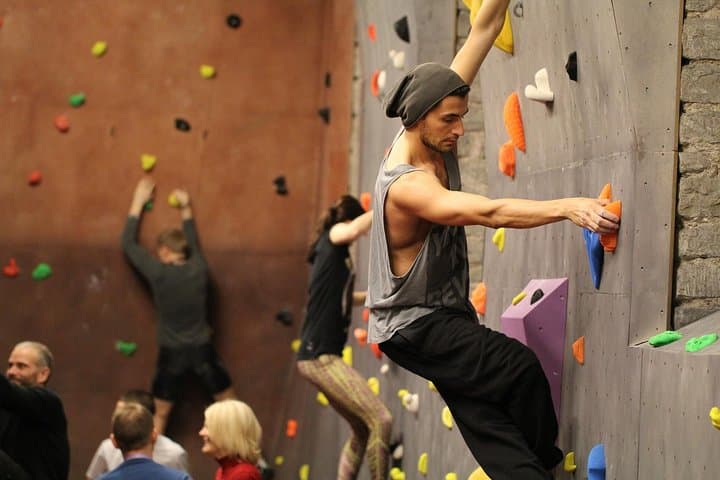
Inside a bright climbing gym on the edge of Tallinn’s compact city center, colored holds climb the walls like urban lichens and the rhythm of clipped carabiners fills the air. Rope tension hums underfoot as instructors check harnesses and routes are read like maps—short, punchy problems for beginners and taller top-ropes for anyone chasing vertical exposure without the weather’s mercy.
Inside a bright climbing gym on the edge of Tallinn’s compact city center, colored holds climb the walls like urban lichens and the rhythm of clipped carabiners fills the air. Rope tension hums underfoot as instructors check harnesses and routes are read like maps—short, punchy problems for beginners and taller top-ropes for anyone chasing vertical exposure without the weather’s mercy.
Estonia’s coastline and limestone bedrock aren’t on display here, but the country’s long seafaring and Hanseatic history shows up in Tallinn’s practical approach to sport and recreation: efficient facilities, straightforward instruction, and an openness to trying new skills. Climbing walls in Tallinn reflect a growing Baltic climbing culture that borrows techniques from Scandinavia and Central Europe.
Expect two focused hours of movement—warm-ups, coached belaying, and a progression through easy-to-intermediate routes. The gym setting lets novices learn rope work, partner checks, and footwork in a controlled environment; more experienced climbers can test endurance on longer routes.
Practical notes: arrive 15 minutes early for gear and briefing (climbing shoes are usually provided), wear breathable athletic clothing, and keep hydrated—indoor air can be dry. Bookings are typically instant and final, so confirm availability before you travel. For groups, the session works well as a physical, social activity with clear safety protocols. Tallinn Indoor Climbing is less about alpine adventure and more about building skills, confidence, and a respect for vertical movement—the kind of place where a steady hand and focused breath get you to the top.