THE ADVENTURE COLLECTIVE® · Independent discovery and booking for outdoor travel

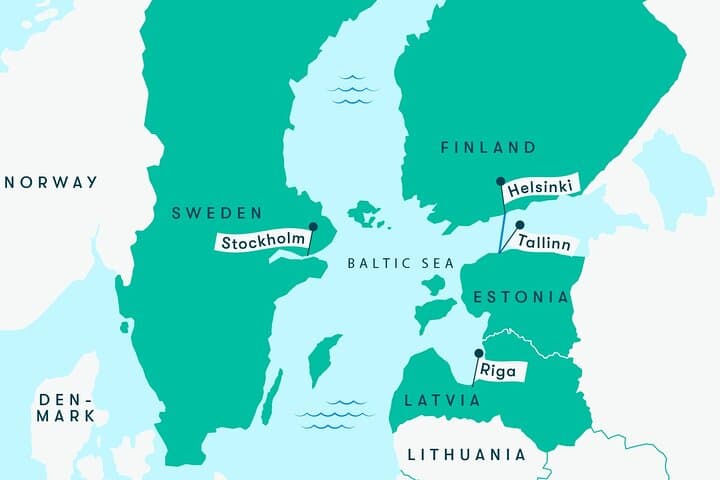
Board a fast ferry in Helsinki and arrive in Tallinn two hours later — a full day to walk medieval lanes, climb Toompea and sample Estonian cafés. This self-guided cruise combines efficient crossings with flexible time ashore for a concentrated Baltic city experience.
Board a fast ferry in Helsinki and arrive in Tallinn two hours later — a full day to walk medieval lanes, climb Toompea and sample Estonian cafés. This self-guided cruise combines efficient crossings with flexible time ashore for a concentrated Baltic city experience.
You step onto the ferry at Helsinki’s West Harbour as gulls wheel over a scatter of rocky islets; the city recedes, the Baltic opens, and two hours of clean, glacial air and archipelago scenery push you toward Estonia.
Verified experiences and guided adventures in the surrounding area.
Operated by Tallink Silja Line · Tallinn, Harju County
You step onto the ferry at Helsinki’s West Harbour as gulls wheel over a scatter of rocky islets; the city recedes, the Baltic opens, and two hours of clean, glacial air and archipelago scenery push you toward Estonia.
Tallinn’s walled Old Town — a compact maze of cobbles, stepped gables and medieval towers — rewards a day trip with concentrated history. Once a Hanseatic trading hub, the city wears layers of Teutonic guild houses, Russian imperial projects like the onion-domed Alexander Nevsky Cathedral, and the modern pulse of cafés and design shops. Geology shows in Toompea’s limestone outcrop and the low, stony shoreline that’s been carved by repeated ice ages; the sea itself seems to tug at the city’s edges.
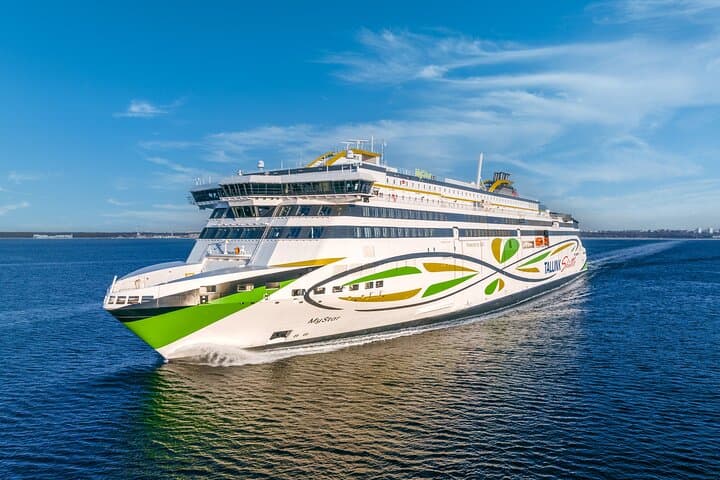
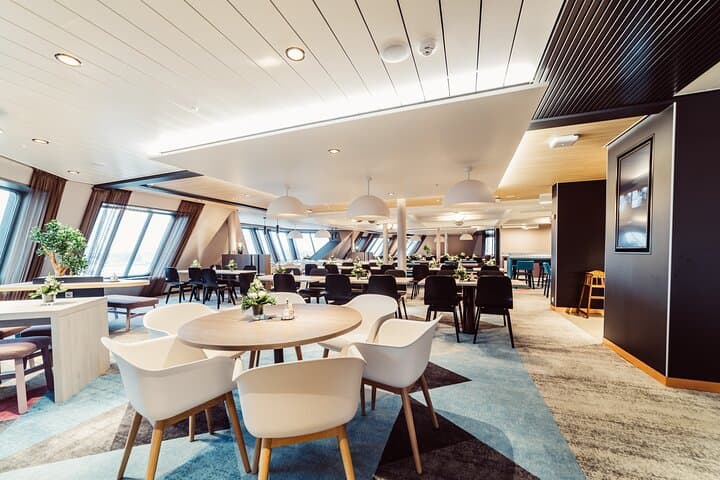
Practicalities shape the day: ferries such as the LNG-powered Megastar and MyStar run fast crossings with onboard restaurants, shops and restrooms. Check-in at Helsinki closes about 30 minutes before departure — arrive 45–60 minutes early to exchange booking numbers for boarding passes and to clear any document checks. Typical itineraries leave 4–7 hours ashore, enough for a circuit of the Old Town, a climb to Toompea for the panoramic viewpoints, and a quick museum or market visit.
Move light — comfortable shoes for cobbles, a compact rain layer, and a charged phone for navigation and mobile boarding passes. Use local buses or taxis from the D-terminal if you prefer not to walk the 20 minutes into the heart of town. Keep an eye on the return ferry time: missing it can turn a day of discovery into a logistical scramble.
easy.
8–11 hours.
Suitable for all fitness levels; expect several hours of walking on cobbles and some stair climbs.
The crossing between Helsinki and Tallinn takes about two hours on the Megastar/MyStar ferries.
Options typically give 4–7 hours ashore; choose a longer stop if you want a relaxed visit with a museum or lunch break.
Yes — check-in is required at Helsinki’s West Harbour and usually closes approximately 30 minutes before departure, so arrive earlier.
Yes — the ferries and terminals provide wheelchair-accessible routes and facilities, but notify the operator of any special requirements when booking.
Tallinn grew as a key Hanseatic port in the Middle Ages and retains a well-preserved Old Town with guild halls and defensive towers dating to that era.
The Baltic is sensitive to pollution and heavy shipping; choose sustainable operators when possible and avoid littering in coastal areas.
Tallink Silja Line operates guided outdoor trips and adventures with an emphasis on safety, stewardship, and memorable experiences.

You step onto the ferry at Helsinki’s West Harbour as gulls wheel over a scatter of rocky islets; the city recedes, the Baltic opens, and two hours of clean, glacial air and archipelago scenery push you toward Estonia.
You step onto the ferry at Helsinki’s West Harbour as gulls wheel over a scatter of rocky islets; the city recedes, the Baltic opens, and two hours of clean, glacial air and archipelago scenery push you toward Estonia.
Tallinn’s walled Old Town — a compact maze of cobbles, stepped gables and medieval towers — rewards a day trip with concentrated history. Once a Hanseatic trading hub, the city wears layers of Teutonic guild houses, Russian imperial projects like the onion-domed Alexander Nevsky Cathedral, and the modern pulse of cafés and design shops. Geology shows in Toompea’s limestone outcrop and the low, stony shoreline that’s been carved by repeated ice ages; the sea itself seems to tug at the city’s edges.
Practicalities shape the day: ferries such as the LNG-powered Megastar and MyStar run fast crossings with onboard restaurants, shops and restrooms. Check-in at Helsinki closes about 30 minutes before departure — arrive 45–60 minutes early to exchange booking numbers for boarding passes and to clear any document checks. Typical itineraries leave 4–7 hours ashore, enough for a circuit of the Old Town, a climb to Toompea for the panoramic viewpoints, and a quick museum or market visit.
Move light — comfortable shoes for cobbles, a compact rain layer, and a charged phone for navigation and mobile boarding passes. Use local buses or taxis from the D-terminal if you prefer not to walk the 20 minutes into the heart of town. Keep an eye on the return ferry time: missing it can turn a day of discovery into a logistical scramble.