THE ADVENTURE COLLECTIVE® · Independent discovery and booking for outdoor travel

Float over shallow coral plates off Talawila and watch colorful anemones, shoals, and turtles in calm, clear water. This two-hour morning snorkel from the Talawila dive center is ideal for confident swimmers seeking close-up reef life with minimal boat time.
Float over shallow coral plates off Talawila and watch colorful anemones, shoals, and turtles in calm, clear water. This two-hour morning snorkel from the Talawila dive center is ideal for confident swimmers seeking close-up reef life with minimal boat time.
The morning light at Talawila glances off a low-slung bow as you step into a small dive boat at 8:00 a.m., the island-shelf breathing salt and heat around you. A twenty-minute glide across glassy water brings the reef into view: shallow bommies and flat coral plates rimmed by silver shoals. The sea seems to hold its breath until you drop your mask and the reef answers, alive and busy.
Verified experiences and guided adventures in the surrounding area.
Operated by Lakpura LLC · Talawila, Puttalam District
The morning light at Talawila glances off a low-slung bow as you step into a small dive boat at 8:00 a.m., the island-shelf breathing salt and heat around you. A twenty-minute glide across glassy water brings the reef into view: shallow bommies and flat coral plates rimmed by silver shoals. The sea seems to hold its breath until you drop your mask and the reef answers, alive and busy.
Geology here is straightforward—shallow reef built on ancient carbonate shelves that rise abruptly from the lagoon—so most of the coral gardens sit between 1–5 meters, ideal for surface swimmers. Kalpitiya’s coast carries layers of history: Portuguese and Dutch traders mapped these channels, and local fishing communities still follow tidal charts by memory. Cultural traces are simple: small beach shrines, nets drying on sand, and a dive center that runs the limited-boat, low-impact trips.
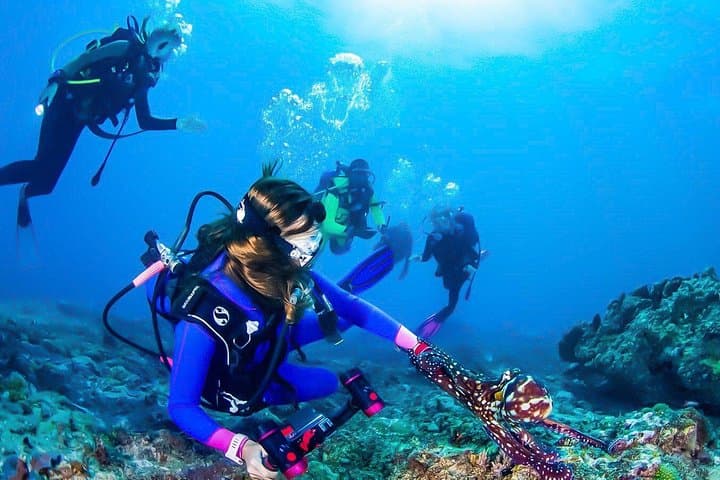
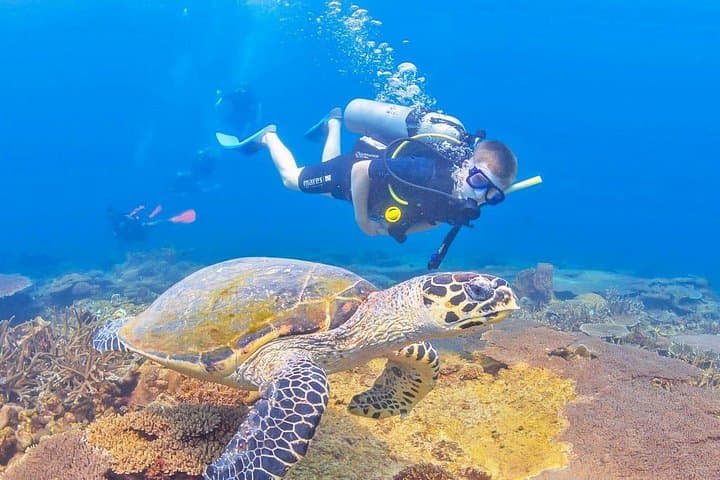
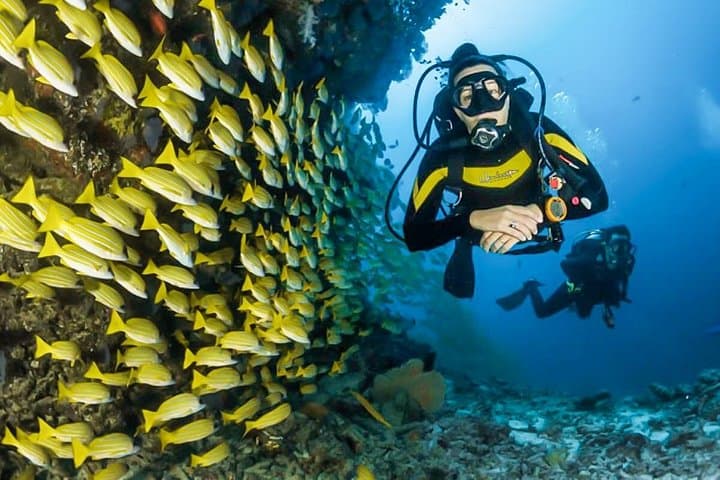
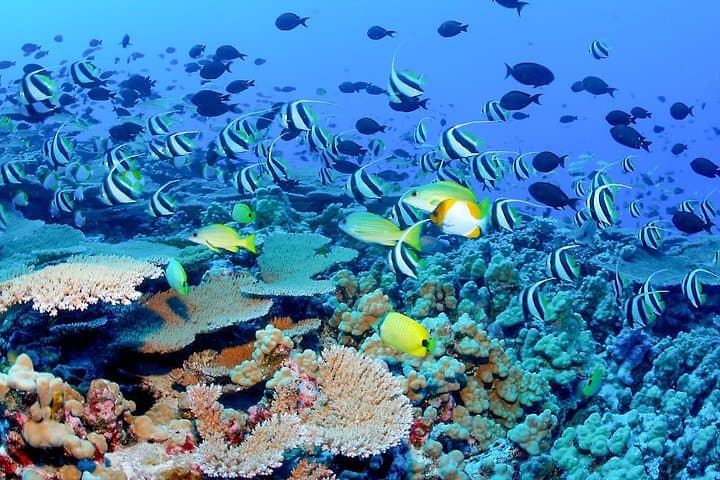
Expect bright brain and branching corals, shoals of silvery baitfish, curious clownfish tucked in anemones, and the occasional green turtle drifting through the scene. Visibility is best in the morning; as the sun climbs many reef creatures slip into shade and currents change.
Practical notes: tours typically include mask, snorkel, fins and 1L bottled water; bring a reef-safe sunscreen, a lightweight rash guard, and an underwater camera if you want keepsakes. Stay with your guide, clear your snorkel before waves, and avoid touching coral. Early departures, calm seas, and good swimming fitness make this two-hour outing both accessible and richly rewarding.
moderate.
2 hours.
Should be a confident swimmer comfortable in open water and able to handle short surface swims and light chop.
Yes, provided you are a confident swimmer; guides run short boat transfers and stay in shallow reef zones, but basic snorkeling skills and comfort in open water are required.
Standard inclusions are snorkeling equipment (mask, snorkel, fins) and 1 liter of bottled mineral water; confirm whether transfer to the dive center is included.
Early morning (around 8:00 a.m.) when visibility is highest and reef life is more exposed; visibility tends to drop as the sun climbs and winds increase.
Operators often allow older, competent swimmers; check age limits with the provider and ensure kids use well-fitting gear and stay close to the guide.
Kalpitiya’s coastline was charted by Portuguese and Dutch traders; local communities have fished these channels for generations and still rely on seasonal tides.
Corals here are sensitive to heat stress and physical damage—choose operators that brief guests on no-touch policies, use reef-safe sunscreen, and limit anchor impact.
Lakpura LLC operates guided outdoor trips and adventures with an emphasis on safety, stewardship, and memorable experiences.
The morning light at Talawila glances off a low-slung bow as you step into a small dive boat at 8:00 a.m., the island-shelf breathing salt and heat around you. A twenty-minute glide across glassy water brings the reef into view: shallow bommies and flat coral plates rimmed by silver shoals. The sea seems to hold its breath until you drop your mask and the reef answers, alive and busy.
The morning light at Talawila glances off a low-slung bow as you step into a small dive boat at 8:00 a.m., the island-shelf breathing salt and heat around you. A twenty-minute glide across glassy water brings the reef into view: shallow bommies and flat coral plates rimmed by silver shoals. The sea seems to hold its breath until you drop your mask and the reef answers, alive and busy.
Geology here is straightforward—shallow reef built on ancient carbonate shelves that rise abruptly from the lagoon—so most of the coral gardens sit between 1–5 meters, ideal for surface swimmers. Kalpitiya’s coast carries layers of history: Portuguese and Dutch traders mapped these channels, and local fishing communities still follow tidal charts by memory. Cultural traces are simple: small beach shrines, nets drying on sand, and a dive center that runs the limited-boat, low-impact trips.
Expect bright brain and branching corals, shoals of silvery baitfish, curious clownfish tucked in anemones, and the occasional green turtle drifting through the scene. Visibility is best in the morning; as the sun climbs many reef creatures slip into shade and currents change.
Practical notes: tours typically include mask, snorkel, fins and 1L bottled water; bring a reef-safe sunscreen, a lightweight rash guard, and an underwater camera if you want keepsakes. Stay with your guide, clear your snorkel before waves, and avoid touching coral. Early departures, calm seas, and good swimming fitness make this two-hour outing both accessible and richly rewarding.