THE ADVENTURE COLLECTIVE® · Independent discovery and booking for outdoor travel

A full-day shore excursion from Takoradi that pairs historical sites with rainforest adventures: market stops, a visit to a traditional plantation, Kakum National Park’s canopy walkway, and a drive past Cape Coast Castle. Ideal for travelers who want both culture and active exploration.
A full-day shore excursion from Takoradi that pairs historical sites with rainforest adventures: market stops, a visit to a traditional plantation, Kakum National Park’s canopy walkway, and a drive past Cape Coast Castle. Ideal for travelers who want both culture and active exploration.
You step off the pier in Takoradi and the Atlantic breeze pushes you inland, past salt-scrubbed fishing boats toward a bustling Market Circle where traders call out the day’s catch and kola nuts. The road out of town climbs into humid country; plantations roll by—oil palm and rubber trees marking a landscape shaped by commerce and labor.
Verified experiences and guided adventures in the surrounding area.
Operated by Blastours Ghana · Takoradi, Western Region
You step off the pier in Takoradi and the Atlantic breeze pushes you inland, past salt-scrubbed fishing boats toward a bustling Market Circle where traders call out the day’s catch and kola nuts. The road out of town climbs into humid country; plantations roll by—oil palm and rubber trees marking a landscape shaped by commerce and labor.
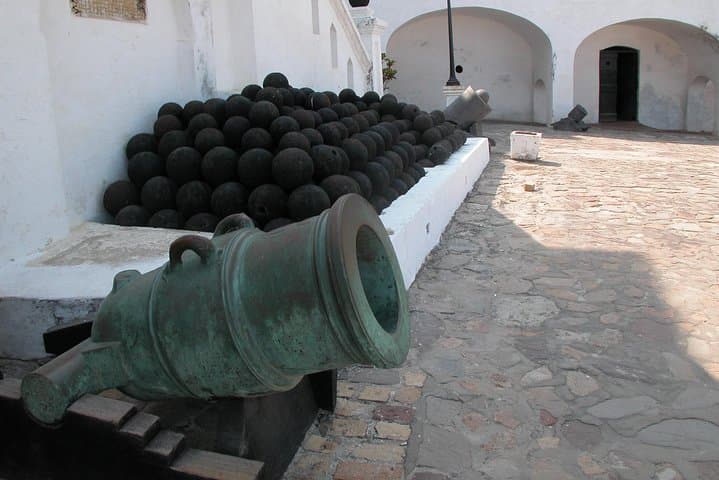
This shore excursion threads history and ecology. Cape Coast Castle—visible on the drive—remains one of the region’s stark reminders of the transatlantic slave trade; nearby communities still hold oral histories and festivals that reflect centuries of coastal life. Further inland, Kakum National Park sits on ancient rainforest soils carved by West African rivers; its canopy walkway is the longest in West Africa and offers a perspective on emergent trees and epiphytes few visitors see.
Expect eight hours of mixed activity: short hikes on packed-earth trails, a measured walk across the suspended bridges of the canopy walkway, time at a plantation to learn about traditional processing, and a stop for a local lunch at a modest restaurant. Flora and fauna are readily visible—forest birds call from the canopy and forest floor springs with insect life. Guides provide context on ecology and the difficult history of coastal forts.
Practical notes: wear closed-toe shoes with good tread, bring insect repellent and sun protection, and budget for moderate walking on uneven paths. The tour works best in the morning to avoid heat and afternoon showers; hydration and a light rain layer keep the day comfortable. With a mix of cultural history and active rainforest walking, this excursion balances learning with hands-on outdoor time.
moderate.
8 hours.
Moderate fitness; able to walk up to a few miles over uneven terrain and climb stairs to canopy platforms
Pickups are typically organized from the cruise terminal or a designated port meeting point in Takoradi; exact pickup details are confirmed at booking.
Children are allowed but must be supervised closely; the walkway has safety rails but involves heights and some exposure.
A traditional lunch and bottled water are included in the tour price; additional drinks or purchases at markets are extra.
The tour involves uneven trails and steps to canopy platforms, so it is generally not suitable for travelers with significant mobility limitations.
The route links coastal trade centers and plantations shaped by colonial-era commerce; Cape Coast Castle remains a primary site for understanding the transatlantic slave trade in Ghana.
Kakum National Park is managed to protect rainforest biodiversity and canopy habitats; visitors are asked to stick to trails, avoid disturbing wildlife, and minimize plastic waste.
Blastours Ghana operates guided outdoor trips and adventures with an emphasis on safety, stewardship, and memorable experiences.


You step off the pier in Takoradi and the Atlantic breeze pushes you inland, past salt-scrubbed fishing boats toward a bustling Market Circle where traders call out the day’s catch and kola nuts. The road out of town climbs into humid country; plantations roll by—oil palm and rubber trees marking a landscape shaped by commerce and labor.
You step off the pier in Takoradi and the Atlantic breeze pushes you inland, past salt-scrubbed fishing boats toward a bustling Market Circle where traders call out the day’s catch and kola nuts. The road out of town climbs into humid country; plantations roll by—oil palm and rubber trees marking a landscape shaped by commerce and labor.
This shore excursion threads history and ecology. Cape Coast Castle—visible on the drive—remains one of the region’s stark reminders of the transatlantic slave trade; nearby communities still hold oral histories and festivals that reflect centuries of coastal life. Further inland, Kakum National Park sits on ancient rainforest soils carved by West African rivers; its canopy walkway is the longest in West Africa and offers a perspective on emergent trees and epiphytes few visitors see.
Expect eight hours of mixed activity: short hikes on packed-earth trails, a measured walk across the suspended bridges of the canopy walkway, time at a plantation to learn about traditional processing, and a stop for a local lunch at a modest restaurant. Flora and fauna are readily visible—forest birds call from the canopy and forest floor springs with insect life. Guides provide context on ecology and the difficult history of coastal forts.
Practical notes: wear closed-toe shoes with good tread, bring insect repellent and sun protection, and budget for moderate walking on uneven paths. The tour works best in the morning to avoid heat and afternoon showers; hydration and a light rain layer keep the day comfortable. With a mix of cultural history and active rainforest walking, this excursion balances learning with hands-on outdoor time.