THE ADVENTURE COLLECTIVE® · Independent discovery and booking for outdoor travel

Step into a fully functional jet cockpit simulator in Turin for a 60-minute, instructor-led session. Fly from takeoff through initial climb, practice approaches or run a full route on a 220° panoramic screen.
Step into a fully functional jet cockpit simulator in Turin for a 60-minute, instructor-led session. Fly from takeoff through initial climb, practice approaches or run a full route on a 220° panoramic screen.
A hush fills the mock cockpit as instrument lights bloom and a painted runway stretches forward on a 220-degree panoramic screen. The simulator holds the weight of a jet at idle — engines humming, flaps set — and the participant becomes pilot for an hour of procedural flying that begins on the ground and ends with the aircraft back on the runway.
Verified experiences and guided adventures in the surrounding area.
Operated by IFly Simulator · Turin, Piedmont
A hush fills the mock cockpit as instrument lights bloom and a painted runway stretches forward on a 220-degree panoramic screen. The simulator holds the weight of a jet at idle — engines humming, flaps set — and the participant becomes pilot for an hour of procedural flying that begins on the ground and ends with the aircraft back on the runway.
Turin has deep industrial roots: early Italian aircraft designers and Fiat’s engineering culture helped shape the region’s aeronautical know-how. That history informs the simulator’s attention to detail — full avionics, force-feedback yoke and realistic hydraulic control loading mirror systems developed over a century of European flight. The experience pairs modern simulation technology with the city’s practical engineering pedigree, and it sits within easy reach of Turin’s aviation museums and technical neighborhoods.
Expect a structured briefing from an instructor, hands-on control from takeoff through initial climb, optional route work or airport procedures, then a stabilized approach and landing that leaves the aircraft aligned on the tarmac. The room is climate-controlled, wheelchair accessible and suitable for most fitness levels, but the simulator can provoke motion sensations—choose scenarios and weather deliberately.
Practical guidance: arrive 15–20 minutes early with photo ID, book the 60-minute slot to allow time for briefing and debriefing, and tell the operator about any health concerns. If you want a specific airport or weather setup, request it before the session. The format is private, instructor-led and designed for people who want a realistic, low-impact way to practice flight procedures without leaving the ground.
moderate.
60 minutes (1 hour).
No special fitness required; participants should be comfortable seated and able to operate controls for the session length.
Minimum age varies by operator; most allow teenagers with parental consent—confirm when booking.
Yes—facilities are wheelchair accessible and seating in the cockpit accommodates passengers in the rear; notify the operator of special requirements.
Yes—participants can select weather conditions and specific airports or practice procedures during the briefing and setup.
For a full refund cancel at least 24 hours before your scheduled time; bookings canceled within 24 hours are typically non-refundable.
Turin’s industrial and engineering tradition, including early aircraft manufacturing and Fiat’s aeronautical projects, shaped the city’s technical culture and support for flight training.
Simulators offer a low-carbon way to practice flight skills, reducing the environmental impact of training hours that would otherwise be flown in real aircraft.
IFly Simulator operates guided outdoor trips and adventures with an emphasis on safety, stewardship, and memorable experiences.
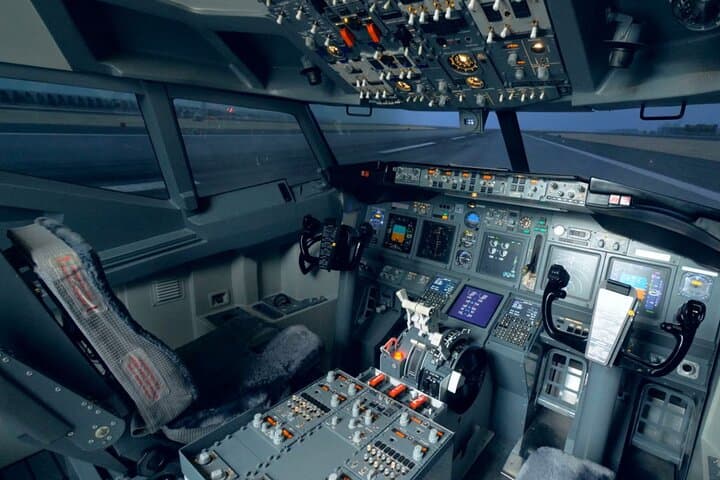
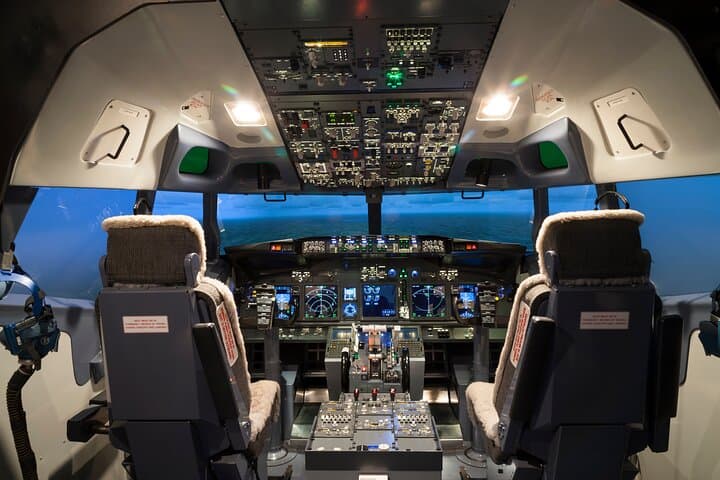
A hush fills the mock cockpit as instrument lights bloom and a painted runway stretches forward on a 220-degree panoramic screen. The simulator holds the weight of a jet at idle — engines humming, flaps set — and the participant becomes pilot for an hour of procedural flying that begins on the ground and ends with the aircraft back on the runway.
A hush fills the mock cockpit as instrument lights bloom and a painted runway stretches forward on a 220-degree panoramic screen. The simulator holds the weight of a jet at idle — engines humming, flaps set — and the participant becomes pilot for an hour of procedural flying that begins on the ground and ends with the aircraft back on the runway.
Turin has deep industrial roots: early Italian aircraft designers and Fiat’s engineering culture helped shape the region’s aeronautical know-how. That history informs the simulator’s attention to detail — full avionics, force-feedback yoke and realistic hydraulic control loading mirror systems developed over a century of European flight. The experience pairs modern simulation technology with the city’s practical engineering pedigree, and it sits within easy reach of Turin’s aviation museums and technical neighborhoods.
Expect a structured briefing from an instructor, hands-on control from takeoff through initial climb, optional route work or airport procedures, then a stabilized approach and landing that leaves the aircraft aligned on the tarmac. The room is climate-controlled, wheelchair accessible and suitable for most fitness levels, but the simulator can provoke motion sensations—choose scenarios and weather deliberately.
Practical guidance: arrive 15–20 minutes early with photo ID, book the 60-minute slot to allow time for briefing and debriefing, and tell the operator about any health concerns. If you want a specific airport or weather setup, request it before the session. The format is private, instructor-led and designed for people who want a realistic, low-impact way to practice flight procedures without leaving the ground.