THE ADVENTURE COLLECTIVE® · Independent discovery and booking for outdoor travel

A concise, expert-led 30-minute walk through Takayama’s Sanmachi Suji that orients you to Edo-period architecture, local crafts, and where to eat and shop next. Ideal for first-time visitors wanting a focused primer on the old town.
A concise, expert-led 30-minute walk through Takayama’s Sanmachi Suji that orients you to Edo-period architecture, local crafts, and where to eat and shop next. Ideal for first-time visitors wanting a focused primer on the old town.
You step off the narrow street and the town shifts: wooden facades cool your eyes, a shallow river murmurs and the air smells faintly of soy and cedar. In thirty minutes an expert local guide threads the Sanmachi Suji district into a living primer — not a checklist but a set of short stories about place and craft.
Verified experiences and guided adventures in the surrounding area.
Operated by Luca - Amico del solevante · Takayama, Gifu Prefecture
You step off the narrow street and the town shifts: wooden facades cool your eyes, a shallow river murmurs and the air smells faintly of soy and cedar. In thirty minutes an expert local guide threads the Sanmachi Suji district into a living primer — not a checklist but a set of short stories about place and craft.
Takayama grew prosperous in the Edo period as a market town on inland routes; the preserved merchant houses and latticed shopfronts you pass date from that era. Geologically the city sits in the Hida Mountains’ rain-shadow, which shaped local timber architecture and the region’s sake-brewing culture. Your guide will point out festival floats, sake breweries, and artisans' shops, tying local crafts and seasonal foods to centuries of commerce and mountain resources.
Culturally this is compact Japan: quiet shrines, morning markets, and craftsmen still repairing tools and carpentry in plain view. Listen for shop shutters sliding open and the river daring you to slow down.
Practical notes: the walk is flat on paved streets with occasional stone steps; wheelchair and stroller accessible routes are available in the core area. Bring small change — many specialty shops prefer cash — and a light jacket for sudden weather. The tour is brief by design: it orients you to where to return for a longer visit, which shops make by-hand goods, and which breweries offer tastings. In half an hour you leave knowing where to come back.
easy.
30 minutes.
Minimal fitness required; suitable for most ages and mobility levels
Yes — the itinerary notes stroller accessibility and flat streets in the core old-town area, though some side alleys have steps.
This short tour orients you to sights; admission fees for museums or brewery tastings are not included and can be added afterward if you choose.
The main Sanmachi Suji route is largely wheelchair accessible, but notify the operator of needs so they can tailor the path and avoid steep sections.
Tips are optional and welcomed; the tour price covers the guide’s service but not meals, entrance fees, or gratuities.
Takayama’s Sanmachi district preserves merchant houses and festival floats from the Edo period, reflecting its role as a regional trade and craftsmanship center.
The old town’s wooden architecture is fragile; support local businesses, avoid touching artifacts, and follow signs to minimize wear on historic structures.
Luca - Amico del solevante operates guided outdoor trips and adventures with an emphasis on safety, stewardship, and memorable experiences.
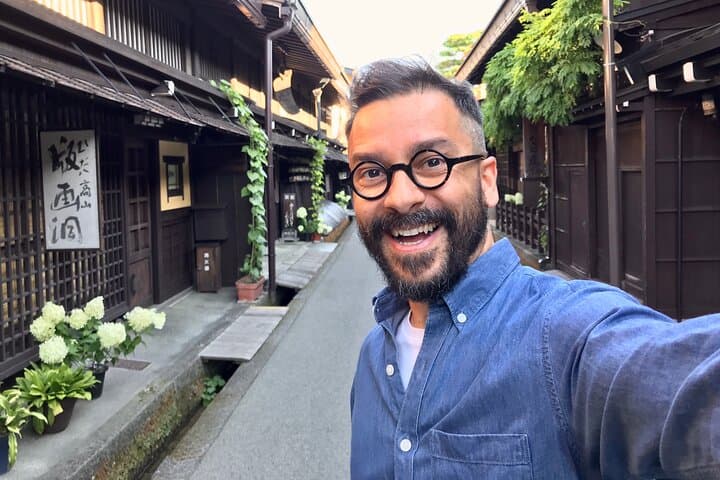
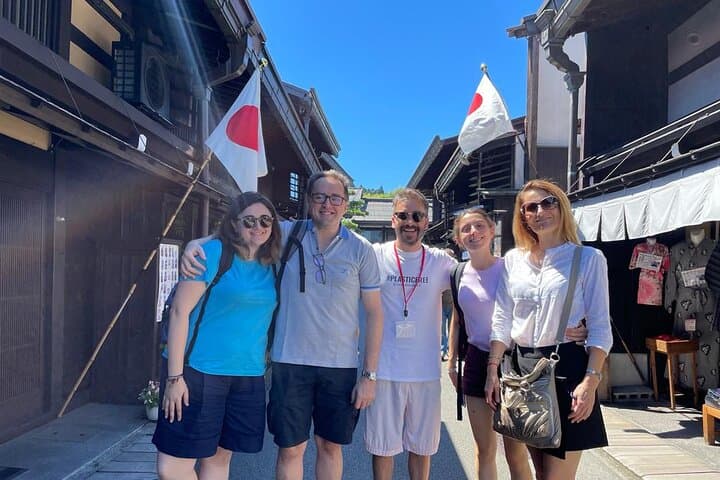
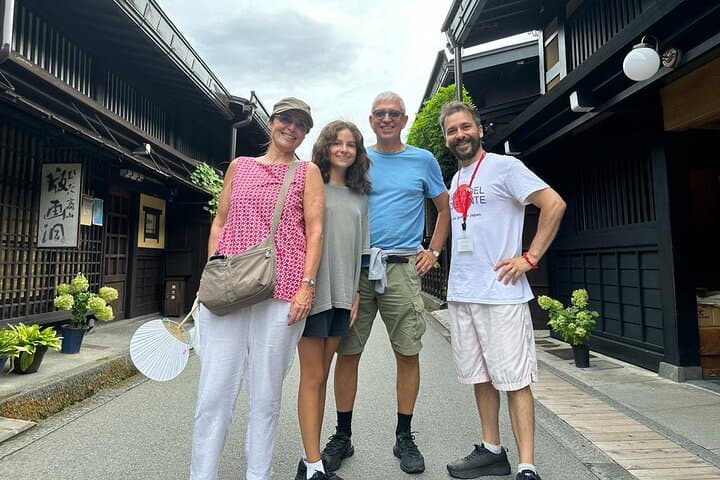
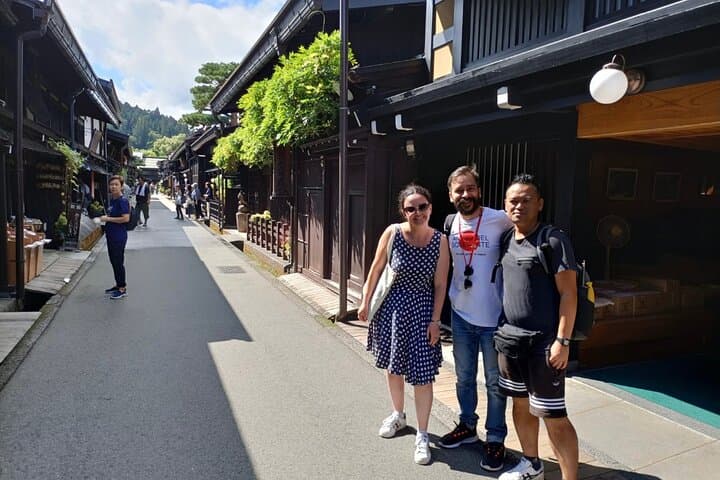
You step off the narrow street and the town shifts: wooden facades cool your eyes, a shallow river murmurs and the air smells faintly of soy and cedar. In thirty minutes an expert local guide threads the Sanmachi Suji district into a living primer — not a checklist but a set of short stories about place and craft.
You step off the narrow street and the town shifts: wooden facades cool your eyes, a shallow river murmurs and the air smells faintly of soy and cedar. In thirty minutes an expert local guide threads the Sanmachi Suji district into a living primer — not a checklist but a set of short stories about place and craft.
Takayama grew prosperous in the Edo period as a market town on inland routes; the preserved merchant houses and latticed shopfronts you pass date from that era. Geologically the city sits in the Hida Mountains’ rain-shadow, which shaped local timber architecture and the region’s sake-brewing culture. Your guide will point out festival floats, sake breweries, and artisans' shops, tying local crafts and seasonal foods to centuries of commerce and mountain resources.
Culturally this is compact Japan: quiet shrines, morning markets, and craftsmen still repairing tools and carpentry in plain view. Listen for shop shutters sliding open and the river daring you to slow down.
Practical notes: the walk is flat on paved streets with occasional stone steps; wheelchair and stroller accessible routes are available in the core area. Bring small change — many specialty shops prefer cash — and a light jacket for sudden weather. The tour is brief by design: it orients you to where to return for a longer visit, which shops make by-hand goods, and which breweries offer tastings. In half an hour you leave knowing where to come back.