THE ADVENTURE COLLECTIVE® · Independent discovery and booking for outdoor travel

Travel from the Taj Mahal to Jaipur across a circuit of UNESCO sites, wetlands, stepwells, and hill forts. This curated multi-day route mixes iconic monuments with lesser-known stops and practical travel rhythms—ideal for travelers who want history, wildlife, and craft culture in one trip.
Travel from the Taj Mahal to Jaipur across a circuit of UNESCO sites, wetlands, stepwells, and hill forts. This curated multi-day route mixes iconic monuments with lesser-known stops and practical travel rhythms—ideal for travelers who want history, wildlife, and craft culture in one trip.
You arrive at dawn beneath the Taj’s pale dome as the Yamuna carries first light away from the white marble—birds claim the riverbanks and the marble seems to glow from within.
Verified experiences and guided adventures in the surrounding area.
Operated by Jai Bharat Hospitality · Jaipur, Rajasthan
You arrive at dawn beneath the Taj’s pale dome as the Yamuna carries first light away from the white marble—birds claim the riverbanks and the marble seems to glow from within.
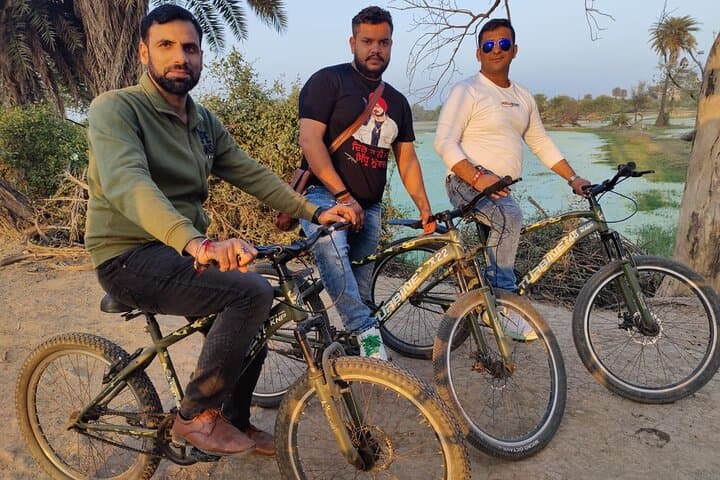
This multi-day circuit threads Mughal grandeur and Rajasthan’s engineered landscapes. In Agra the Taj Mahal and Red Fort speak Mughal language: symmetry, pietra dura inlay, and river-facing planning born of empire and ritual. Fatehpur Sikri’s red sandstone courts show Akbar’s experiment in syncretic architecture; the Buland Darwaza still throws a long shadow. Bharatpur’s Keoladeo wetlands change color with migration seasons—spoonbills and painted storks bend reeds where princes once managed hunting grounds.
Further west, Abhaneri’s Chand Baori reveals a geometric solution to arid geology: a thousand-stepped descent into coolness, carved in the 8th–9th century. Alwar’s Bala Quila perches over hills of Vindhyan outcrops, while Jaipur’s grid of gateways, palaces, and bazaars is alive with block printers and gemstone shops—the Pink City’s ochre façades are civic theater.
Practical notes: plan early starts to avoid midday heat and crowds; the itinerary moves by air-conditioned vehicle but includes walking on uneven surfaces and staircases. Reserve monument tickets in advance where possible; Taj is closed Fridays. Carry a refillable water bottle, sun protection, and comfortable walking shoes with good grip for stepwells and fort ramps. Pocket local cash for small market purchases and rickshaw fares. Expect cultural richness at every stop—craft workshops, royal kitchens, and birding hides—and leave room in your schedule for a slow chai break in a market lane.
easy.
6 days.
Light fitness; able to walk 2–4 miles across a day, climb stairs and uneven stone steps.
The Taj Mahal is closed on Fridays for prayers. If your itinerary includes a Friday, plan to visit on an alternate day or visit the surrounding sites instead.
Many sites allow or require advance ticketing—book Taj and major forts ahead to skip lines and secure sunrise slots when available.
Yes, but peak migration is in winter (November–February) when waterfowl and migratory species are most abundant; summers are quieter for migratory birds.
This tour includes English-speaking guides for major stops and at least one rickshaw ride in Jaipur and Bharatpur as noted; verify exact inclusions at booking.
The route traces Mughal-era urban planning and Rajput hill defenses—from imperial Agra and Fatehpur Sikri to fortified hilltops at Alwar and the planned grid of Jaipur (founded 1727).
Keoladeo is a managed wetland with active conservation programs; water management and visitor limits are important to protect migratory birds and wetland health.
Jai Bharat Hospitality operates guided outdoor trips and adventures with an emphasis on safety, stewardship, and memorable experiences.
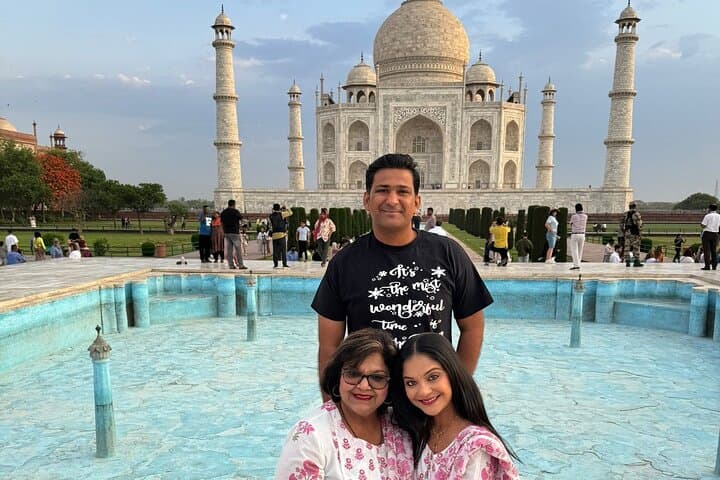

You arrive at dawn beneath the Taj’s pale dome as the Yamuna carries first light away from the white marble—birds claim the riverbanks and the marble seems to glow from within.
You arrive at dawn beneath the Taj’s pale dome as the Yamuna carries first light away from the white marble—birds claim the riverbanks and the marble seems to glow from within.
This multi-day circuit threads Mughal grandeur and Rajasthan’s engineered landscapes. In Agra the Taj Mahal and Red Fort speak Mughal language: symmetry, pietra dura inlay, and river-facing planning born of empire and ritual. Fatehpur Sikri’s red sandstone courts show Akbar’s experiment in syncretic architecture; the Buland Darwaza still throws a long shadow. Bharatpur’s Keoladeo wetlands change color with migration seasons—spoonbills and painted storks bend reeds where princes once managed hunting grounds.
Further west, Abhaneri’s Chand Baori reveals a geometric solution to arid geology: a thousand-stepped descent into coolness, carved in the 8th–9th century. Alwar’s Bala Quila perches over hills of Vindhyan outcrops, while Jaipur’s grid of gateways, palaces, and bazaars is alive with block printers and gemstone shops—the Pink City’s ochre façades are civic theater.
Practical notes: plan early starts to avoid midday heat and crowds; the itinerary moves by air-conditioned vehicle but includes walking on uneven surfaces and staircases. Reserve monument tickets in advance where possible; Taj is closed Fridays. Carry a refillable water bottle, sun protection, and comfortable walking shoes with good grip for stepwells and fort ramps. Pocket local cash for small market purchases and rickshaw fares. Expect cultural richness at every stop—craft workshops, royal kitchens, and birding hides—and leave room in your schedule for a slow chai break in a market lane.