THE ADVENTURE COLLECTIVE® · Independent discovery and booking for outdoor travel

Escape the crowds and view the Taj Mahal from a nearby reserve forest on Fatehabad Road. This 2–4 hour nature walk offers peacocks, watch towers and marked viewpoints ideal for sunrise or sunset photography.
Escape the crowds and view the Taj Mahal from a nearby reserve forest on Fatehabad Road. This 2–4 hour nature walk offers peacocks, watch towers and marked viewpoints ideal for sunrise or sunset photography.
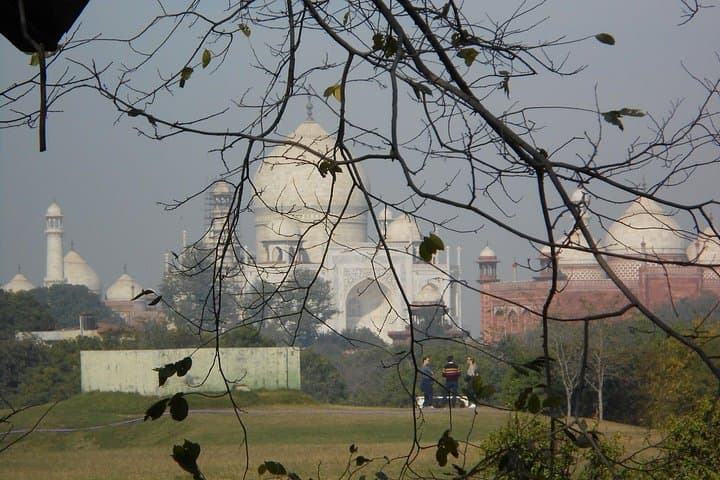
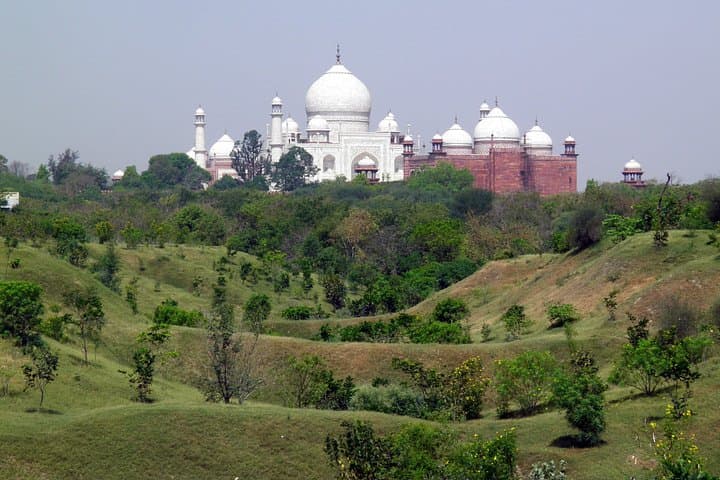
The sun slides low behind the Taj, and a narrow path through scrub and cipress-fringed hills offers a different view: the mausoleum framed not by marble queues but by rustling leaves and the flick of a peacock's tail.
Verified experiences and guided adventures in the surrounding area.
Operated by Discover Activities · Agra, Uttar Pradesh
The sun slides low behind the Taj, and a narrow path through scrub and cipress-fringed hills offers a different view: the mausoleum framed not by marble queues but by rustling leaves and the flick of a peacock's tail.
This guided nature walk follows a preserved green belt along Fatehabad Road, roughly 300–600 meters east of the Taj Mahal's East Gate. The route threads paved walkways, low watch towers and marked photo points where visitors can sit and watch the monument shift color as light changes. The green strip is an urban refuge—home to peafowl and a chorus of small birds—and provides a quieter historical vantage than the crowded complex.
The walk connects to Agra’s layered history: Mughal-era landscape planning prioritized views and axes, and while this reserve is a later urban preservation, it continues that tradition by keeping sightlines to Shah Jahan’s 17th-century mausoleum. Geologically the plain is the alluvial Gangetic basin—flat, river-fed soils that support scrub, grasses and scattered trees.
Practical notes: the walk typically takes 2–4 hours at a relaxed pace; morning and sunset are best for light and bird activity. There is no Taj entry fee because you view the monument from outside the complex, but carry water, wear closed shoes for uneven sections, and observe local dress codes. Guides or private car pickup are common options; confirm pickup and return details when booking.
moderate.
2–4 hours.
Moderate: able to walk on mostly flat trails for a few hours with short uphill sections to lookout points
No—this walk provides viewpoints outside the Taj complex; you will not enter the monument and no Taj entry fee is included.
Most bookings include private car pickup from hotels, the railway station or airport; confirm pickup location when you book.
Sunrise and sunset offer the best light for views and photos, cooler temperatures, and more active birds.
Yes, but infants are generally required to sit on an adult’s lap; assess the walk against your child’s stamina and the group’s pace.
The Taj Mahal is a 17th‑century Mughal mausoleum; the green corridor along Fatehabad Road preserves sightlines and local green space that complement the region’s historic garden planning.
Stick to marked paths, avoid feeding wildlife and carry out any trash; the reserve is an urban greenbelt sensitive to disturbance.
Discover Activities operates guided outdoor trips and adventures with an emphasis on safety, stewardship, and memorable experiences.
The sun slides low behind the Taj, and a narrow path through scrub and cipress-fringed hills offers a different view: the mausoleum framed not by marble queues but by rustling leaves and the flick of a peacock's tail.
The sun slides low behind the Taj, and a narrow path through scrub and cipress-fringed hills offers a different view: the mausoleum framed not by marble queues but by rustling leaves and the flick of a peacock's tail.
This guided nature walk follows a preserved green belt along Fatehabad Road, roughly 300–600 meters east of the Taj Mahal's East Gate. The route threads paved walkways, low watch towers and marked photo points where visitors can sit and watch the monument shift color as light changes. The green strip is an urban refuge—home to peafowl and a chorus of small birds—and provides a quieter historical vantage than the crowded complex.
The walk connects to Agra’s layered history: Mughal-era landscape planning prioritized views and axes, and while this reserve is a later urban preservation, it continues that tradition by keeping sightlines to Shah Jahan’s 17th-century mausoleum. Geologically the plain is the alluvial Gangetic basin—flat, river-fed soils that support scrub, grasses and scattered trees.
Practical notes: the walk typically takes 2–4 hours at a relaxed pace; morning and sunset are best for light and bird activity. There is no Taj entry fee because you view the monument from outside the complex, but carry water, wear closed shoes for uneven sections, and observe local dress codes. Guides or private car pickup are common options; confirm pickup and return details when booking.