THE ADVENTURE COLLECTIVE® · Independent discovery and booking for outdoor travel

Catch the Taj Mahal as its marble glows in early light—skip the lines, learn the layered history from a local guide, and enjoy a complimentary hotel breakfast. This full-day dawn tour pairs efficient logistics with deep context for first-time and repeat visitors alike.
Catch the Taj Mahal as its marble glows in early light—skip the lines, learn the layered history from a local guide, and enjoy a complimentary hotel breakfast. This full-day dawn tour pairs efficient logistics with deep context for first-time and repeat visitors alike.
Dawn arrives over the Yamuna plain and the Taj Mahal slips from shadow into a pale, pearly light. You step from a climate-controlled vehicle onto the broad red sandstone forecourt, the river’s breath pressing faintly through the gardens as the mausoleum slowly takes shape in the sunrise. Early access means the marble is quiet enough for the structure to speak: domes and inlaid pietra dura catching first light while your guide separates the architectural facts from the myths.
Verified experiences and guided adventures in the surrounding area.
Operated by THE IMPERIAL TOURS India · Agra, Uttar Pradesh
Dawn arrives over the Yamuna plain and the Taj Mahal slips from shadow into a pale, pearly light. You step from a climate-controlled vehicle onto the broad red sandstone forecourt, the river’s breath pressing faintly through the gardens as the mausoleum slowly takes shape in the sunrise. Early access means the marble is quiet enough for the structure to speak: domes and inlaid pietra dura catching first light while your guide separates the architectural facts from the myths.
Built in the 17th century by Shah Jahan for Mumtaz Mahal, the Taj rests on alluvial plains whose silts have long supported the Mughal city of Agra. The complex and nearby Agra Fort reflect layers of imperial politics, artisanship and riverine trade that shaped northern India. Local culture still revolves around craft—marble inlay workshops and bazaars where craftsmen pass down techniques that produce the tiny floral panels you’ll see up close on the mausoleum.
Practical guidance: expect a three-hour drive each way from Delhi via the Yamuna Expressway, and a total tour day of roughly 10–11 hours including transfers and a hotel breakfast stop. Wear comfortable, non-marking shoes for walking on marble and light layers for early morning chill that warms quickly after sunrise. Bring sun protection, bottled water, and your passport for ticket checks. If you want photos without crowds, arrive with the earliest entrance slot and coordinate with your guide about framing times. Mobility-accessible routes exist, but confirm vehicle and site arrangements when booking. With a skip-the-line ticket and a local guide, the visit is efficient, historically rich, and visually unforgettable.
easy.
10–11 hours.
Suitable for most fitness levels; involves walking on flat surfaces and standing during the guided visit.
Typical travel time via the Yamuna Expressway is about 3 hours one way, depending on traffic and stops.
Entrance to the Taj Mahal is included if you select the option that includes monument tickets; confirm at booking for your package.
There are accessible routes and transport options, but confirm accessibility requirements with the operator before booking to ensure accommodations.
Photography is allowed outside and in many interior areas, but tripods are restricted and some interior spaces may limit photography—follow your guide’s instructions.
The Taj Mahal was commissioned by Mughal Emperor Shah Jahan in 1632 as a mausoleum for Mumtaz Mahal; its construction involved masons and artisans from across the empire and beyond.
High visitor numbers stress marble and surrounding gardens; stick to designated paths, avoid touching inlay work, and support local conservation fees that fund maintenance.
THE IMPERIAL TOURS India operates guided outdoor trips and adventures with an emphasis on safety, stewardship, and memorable experiences.
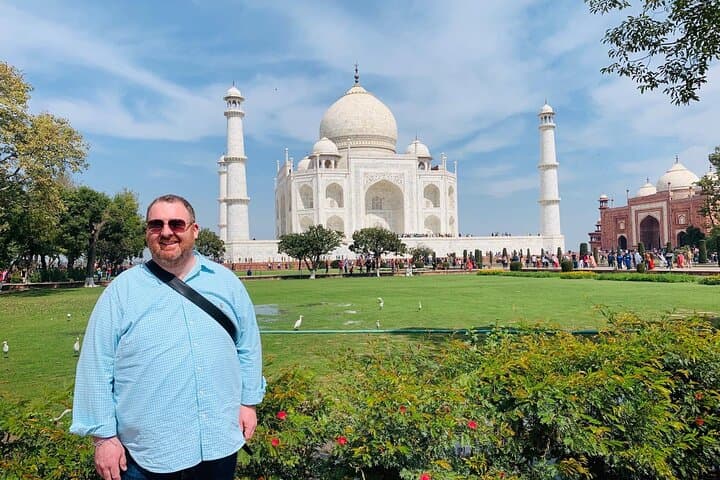
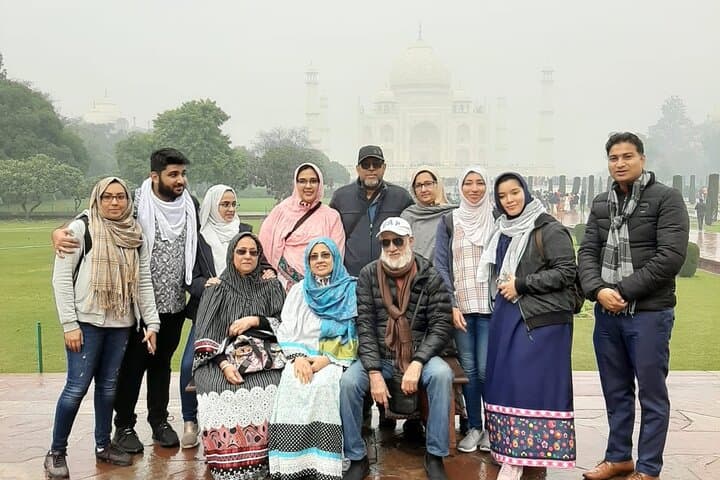
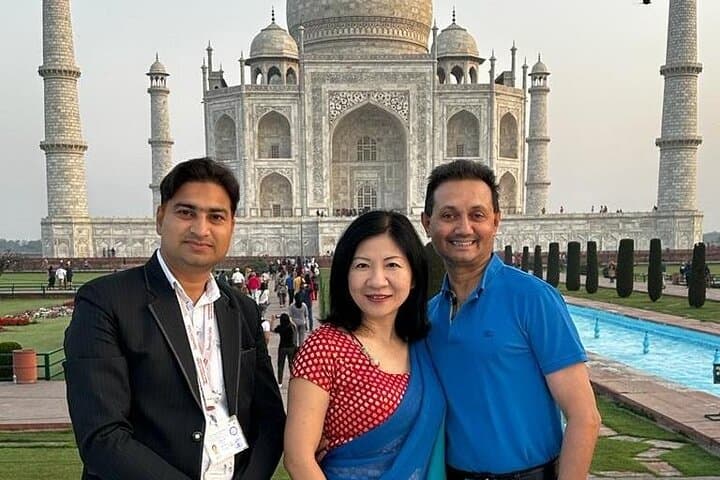
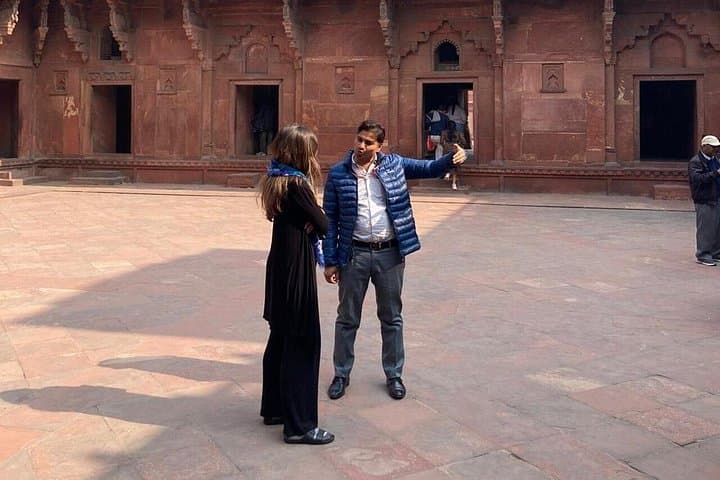
Dawn arrives over the Yamuna plain and the Taj Mahal slips from shadow into a pale, pearly light. You step from a climate-controlled vehicle onto the broad red sandstone forecourt, the river’s breath pressing faintly through the gardens as the mausoleum slowly takes shape in the sunrise. Early access means the marble is quiet enough for the structure to speak: domes and inlaid pietra dura catching first light while your guide separates the architectural facts from the myths.
Dawn arrives over the Yamuna plain and the Taj Mahal slips from shadow into a pale, pearly light. You step from a climate-controlled vehicle onto the broad red sandstone forecourt, the river’s breath pressing faintly through the gardens as the mausoleum slowly takes shape in the sunrise. Early access means the marble is quiet enough for the structure to speak: domes and inlaid pietra dura catching first light while your guide separates the architectural facts from the myths.
Built in the 17th century by Shah Jahan for Mumtaz Mahal, the Taj rests on alluvial plains whose silts have long supported the Mughal city of Agra. The complex and nearby Agra Fort reflect layers of imperial politics, artisanship and riverine trade that shaped northern India. Local culture still revolves around craft—marble inlay workshops and bazaars where craftsmen pass down techniques that produce the tiny floral panels you’ll see up close on the mausoleum.
Practical guidance: expect a three-hour drive each way from Delhi via the Yamuna Expressway, and a total tour day of roughly 10–11 hours including transfers and a hotel breakfast stop. Wear comfortable, non-marking shoes for walking on marble and light layers for early morning chill that warms quickly after sunrise. Bring sun protection, bottled water, and your passport for ticket checks. If you want photos without crowds, arrive with the earliest entrance slot and coordinate with your guide about framing times. Mobility-accessible routes exist, but confirm vehicle and site arrangements when booking. With a skip-the-line ticket and a local guide, the visit is efficient, historically rich, and visually unforgettable.