THE ADVENTURE COLLECTIVE® · Independent discovery and booking for outdoor travel

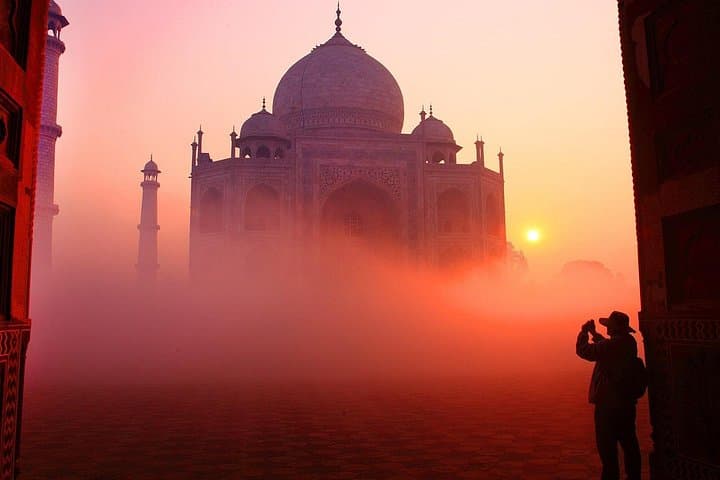
Catch the Taj Mahal as it catches the dawn on a private day trip from Delhi. This full-day car tour pairs sunrise at the Taj with stops at Agra Fort and the Baby Taj—ideal for travelers who want history, architecture, and a reliable itinerary in one day.
Catch the Taj Mahal as it catches the dawn on a private day trip from Delhi. This full-day car tour pairs sunrise at the Taj with stops at Agra Fort and the Baby Taj—ideal for travelers who want history, architecture, and a reliable itinerary in one day.
You push through the early Delhi traffic while the sky is still a bruise of blue, and by the time the Taj Mahal appears the marble catches the first thin line of sun. The gardens smell faintly of dew, and the Yamuna River runs a lazy course behind the mausoleum, as if holding back its breath to let the monument take center stage.
Verified experiences and guided adventures in the surrounding area.
Operated by Delight Tours India · Agra, Uttar Pradesh
You push through the early Delhi traffic while the sky is still a bruise of blue, and by the time the Taj Mahal appears the marble catches the first thin line of sun. The gardens smell faintly of dew, and the Yamuna River runs a lazy course behind the mausoleum, as if holding back its breath to let the monument take center stage.
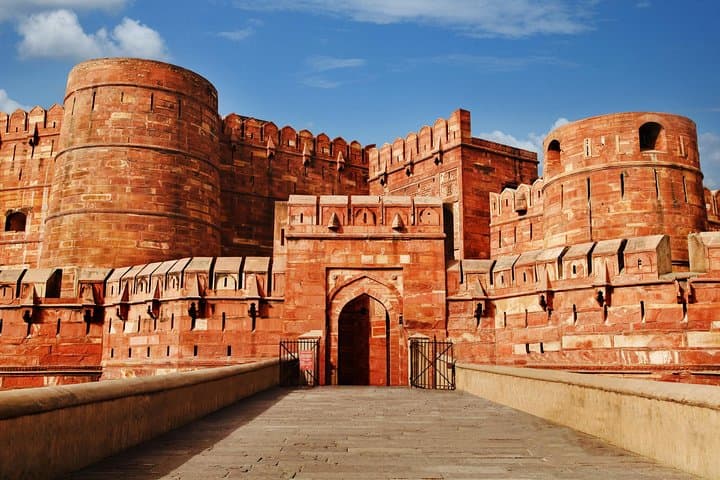
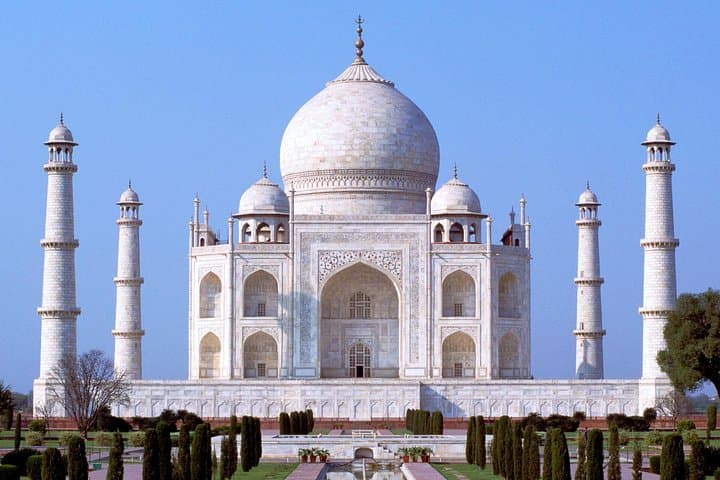
Built by Shah Jahan in the 17th century, the Taj Mahal is a UNESCO World Heritage Site and a pinnacle of Mughal architecture—white marble inlaid with semiprecious stones, symmetrical gardens, and calligraphy that invites a closer read. Nearby Agra Fort and the Itimad-ud-Daulah (the “Baby Taj”) trace the political and artistic arc of the Mughal empire; their red sandstone and pietra dura detail show how material and labor moved across the subcontinent.
Culturally, Agra moves at two speeds: the quiet hush in front of the mausoleum and the bustling bazaars where craftsmen sell marble inlay and petha sweets. Geologically, the region sits on alluvial plains fed by the Yamuna; the river’s course has influenced where monuments stand and how the city developed.
Practical guidance: plan a pre-dawn pickup from Delhi to reach the Taj for first light, carry ID for security checkpoints, and expect metal detectors and bag checks. Wear comfortable walking shoes for marble platforms and uneven paths at forts, and bring sun protection—shade is limited. Allow 5–11 hours for travel, visits, and transfers back to Delhi, and confirm whether entrance fees are included when you book.
easy.
5–11 hours.
Suitable for most fitness levels; requires short to moderate walking on flat and uneven surfaces
The Taj Mahal is closed on Fridays for midday prayers; plan your tour accordingly and check local holiday closures.
Some tour options include monument entrance fees while others do not—confirm at booking to avoid surprises on the day.
Drive time is typically about 3 to 4 hours one-way depending on traffic and departure point in Delhi; the total trip is often 5–11 hours door-to-door.
Photography is allowed in most exterior areas; inside the main mausoleum, tripod use and flashes are restricted—follow guard instructions.
The Taj Mahal was completed in 1653 under Emperor Shah Jahan as a mausoleum for Mumtaz Mahal; Agra Fort predates it and functioned as a Mughal administrative center.
Erosion, air pollution, and river management affect the monument’s marble; conservation efforts include restricted vehicle access near the complex and periodic cleaning using traditional methods.
Delight Tours India operates guided outdoor trips and adventures with an emphasis on safety, stewardship, and memorable experiences.
You push through the early Delhi traffic while the sky is still a bruise of blue, and by the time the Taj Mahal appears the marble catches the first thin line of sun. The gardens smell faintly of dew, and the Yamuna River runs a lazy course behind the mausoleum, as if holding back its breath to let the monument take center stage.
You push through the early Delhi traffic while the sky is still a bruise of blue, and by the time the Taj Mahal appears the marble catches the first thin line of sun. The gardens smell faintly of dew, and the Yamuna River runs a lazy course behind the mausoleum, as if holding back its breath to let the monument take center stage.
Built by Shah Jahan in the 17th century, the Taj Mahal is a UNESCO World Heritage Site and a pinnacle of Mughal architecture—white marble inlaid with semiprecious stones, symmetrical gardens, and calligraphy that invites a closer read. Nearby Agra Fort and the Itimad-ud-Daulah (the “Baby Taj”) trace the political and artistic arc of the Mughal empire; their red sandstone and pietra dura detail show how material and labor moved across the subcontinent.
Culturally, Agra moves at two speeds: the quiet hush in front of the mausoleum and the bustling bazaars where craftsmen sell marble inlay and petha sweets. Geologically, the region sits on alluvial plains fed by the Yamuna; the river’s course has influenced where monuments stand and how the city developed.
Practical guidance: plan a pre-dawn pickup from Delhi to reach the Taj for first light, carry ID for security checkpoints, and expect metal detectors and bag checks. Wear comfortable walking shoes for marble platforms and uneven paths at forts, and bring sun protection—shade is limited. Allow 5–11 hours for travel, visits, and transfers back to Delhi, and confirm whether entrance fees are included when you book.