THE ADVENTURE COLLECTIVE® · Independent discovery and booking for outdoor travel

Catch the first light on the Taj Mahal on a private sunrise day trip from Delhi. This practical guide explains what to expect—early pickup, three-hour expressway drive, timed photo windows, and key logistics for visiting two UNESCO sites in a day.
Catch the first light on the Taj Mahal on a private sunrise day trip from Delhi. This practical guide explains what to expect—early pickup, three-hour expressway drive, timed photo windows, and key logistics for visiting two UNESCO sites in a day.
You arrive on a road that hums with early motion, the Yamuna Expressway cutting a straight line toward the soft, rising light over Agra.
Verified experiences and guided adventures in the surrounding area.
Operated by Vivek Handa, Tour Guide Delhi-Agra-Jaipur · Agra, Uttar Pradesh
You arrive on a road that hums with early motion, the Yamuna Expressway cutting a straight line toward the soft, rising light over Agra.
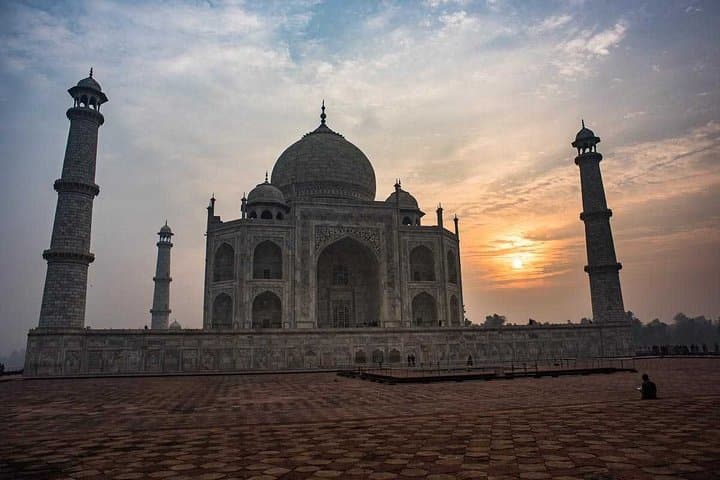
At first light the Taj Mahal looms like a white promise, the marble catching the dawn and changing tone as the sun climbs. The river nearby seems to urge you forward; the gardens and reflecting pools set a deliberate stage for photography and quiet observation. After the first reverent hour at the mausoleum, the tour moves to Agra Fort—red sandstone ramparts that have watched centuries of empire.
Built in the 17th century by Shah Jahan in memory of Mumtaz Mahal, the Taj Mahal sits on alluvial plains carved by the Yamuna; its marble façade and pietra dura inlay reflect Mughal craft that fused Central Asian and Indian forms. Agra’s stonework and the layout of the fort reveal shifting power and trade routes that shaped north Indian culture.
Practicalities follow the scenes: expect a very early pickup from Delhi, roughly three hours’ drive each way on the expressway, significant walking on paved pathways, and security checks at both monuments. Dress modestly, carry ID and bottled water, and prepare for lines if entrance isn’t included. Photographers get best light in the first 60–90 minutes; fog in winter and heat in summer change the schedule’s feel.
This is a full-day commitment—long hours in a comfortable, air-conditioned car but short bursts of walking framed by two UNESCO sites—ideal for travelers who want maximum cultural payoff in a single, tightly run day.
easy.
12–14 hours.
Low-impact fitness required: long car ride with several short walks on paved, level surfaces and some steps inside Agra Fort.
Typical pickup is very early (around 2:30–3:00 AM) in Delhi, with return to Delhi late afternoon—total duration about 12–14 hours.
Options vary; some bookings include breakfast and monument fees—confirm the chosen package before travel.
The tour lists wheelchair-accessible transportation; however, access inside the Taj and Agra Fort can be limited—check specifics with the operator ahead of time.
Photography is allowed on the grounds and in most public areas, but tripods and commercial equipment may be restricted—follow onsite rules.
The Taj Mahal was commissioned by Emperor Shah Jahan in the 17th century as a mausoleum for Mumtaz Mahal; Agra Fort predates it and showcases Mughal architecture under Akbar and later emperors.
Air pollution and river health affect the Taj’s marble; conservation measures and visitor limits are enforced—minimize waste and follow site rules to reduce impact.
Vivek Handa, Tour Guide Delhi-Agra-Jaipur operates guided outdoor trips and adventures with an emphasis on safety, stewardship, and memorable experiences.



You arrive on a road that hums with early motion, the Yamuna Expressway cutting a straight line toward the soft, rising light over Agra.
You arrive on a road that hums with early motion, the Yamuna Expressway cutting a straight line toward the soft, rising light over Agra.
At first light the Taj Mahal looms like a white promise, the marble catching the dawn and changing tone as the sun climbs. The river nearby seems to urge you forward; the gardens and reflecting pools set a deliberate stage for photography and quiet observation. After the first reverent hour at the mausoleum, the tour moves to Agra Fort—red sandstone ramparts that have watched centuries of empire.
Built in the 17th century by Shah Jahan in memory of Mumtaz Mahal, the Taj Mahal sits on alluvial plains carved by the Yamuna; its marble façade and pietra dura inlay reflect Mughal craft that fused Central Asian and Indian forms. Agra’s stonework and the layout of the fort reveal shifting power and trade routes that shaped north Indian culture.
Practicalities follow the scenes: expect a very early pickup from Delhi, roughly three hours’ drive each way on the expressway, significant walking on paved pathways, and security checks at both monuments. Dress modestly, carry ID and bottled water, and prepare for lines if entrance isn’t included. Photographers get best light in the first 60–90 minutes; fog in winter and heat in summer change the schedule’s feel.
This is a full-day commitment—long hours in a comfortable, air-conditioned car but short bursts of walking framed by two UNESCO sites—ideal for travelers who want maximum cultural payoff in a single, tightly run day.