THE ADVENTURE COLLECTIVE® · Independent discovery and booking for outdoor travel

Experience the Taj Mahal at first light and follow it with Agra Fort and a visit to an elephant rescue. This private day trip from Delhi packs iconic architecture and wildlife conservation into a long, seamless day.
Experience the Taj Mahal at first light and follow it with Agra Fort and a visit to an elephant rescue. This private day trip from Delhi packs iconic architecture and wildlife conservation into a long, seamless day.
Before dawn the marble seems to breathe—cool, pale, and briefly luminous as the sky lightens. You step from an air‑conditioned car into a carpet of chilled air, camera in hand, watching the Taj Mahal’s reflected silhouette tremble in the long pool. Later the day opens to red sandstone battlements at Agra Fort and, farther out, the quiet paddocks of an elephant rescue where animals move with deliberate curiosity.
Verified experiences and guided adventures in the surrounding area.
Operated by Travel With Us · Agra, Uttar Pradesh
Before dawn the marble seems to breathe—cool, pale, and briefly luminous as the sky lightens. You step from an air‑conditioned car into a carpet of chilled air, camera in hand, watching the Taj Mahal’s reflected silhouette tremble in the long pool. Later the day opens to red sandstone battlements at Agra Fort and, farther out, the quiet paddocks of an elephant rescue where animals move with deliberate curiosity.
The Taj Mahal was built in the 17th century by Shah Jahan and sits on the alluvial plain of the Yamuna; the white Makrana marble and pietra dura inlay work are hallmarks of Mughal craftsmanship. Agra Fort, once an imperial city center, offers terrace views that frame the same river that shaped the valley’s soft soils and historic trade routes. Local culture centers on Mughlai cuisine, marble workshops, and markets selling hand‑inlay souvenirs—practical reminders that this is a living city, not just a postcard.
Practically, expect a long but smooth day: pickups in Delhi, a 3–4 hour drive each way, 13–15 hours total. Sunrise light is best but winter fog can push the visit to daylight hours. Wear sturdy walking shoes for gardens and fort stonework, carry water and small change for entry or tips, and plan respectful dress inside monuments. If you opt for the elephant sanctuary visit, listen to keepers’ guidance—interactions are educational but limited to minimize stress. This itinerary pairs iconic architecture with wildlife recovery, making for a full, thoughtful day that balances spectacle with stewardship.
easy.
13–15 hours.
Low‑impact fitness is sufficient, but be prepared for a long day of travel and walking on stone surfaces.
No—Taj Mahal is closed to general visitors on Fridays for congregational prayers; plan your tour for other days.
Monument entry may be included if the option is chosen at booking; otherwise guides can assist with ticket purchase—carry cash in INR for contingencies.
Expect about 3–4 hours each way depending on traffic; total trip time typically runs 13–15 hours including stops.
The tour visits a rescue center focused on care and rehabilitation; interactions are supervised and limited to reduce stress on animals.
The Taj Mahal was commissioned in 1632 by Mughal emperor Shah Jahan as a mausoleum; Agra was a Mughal capital and key site on historic trade routes.
The elephant center focuses on rescue and rehabilitation—visits are structured to minimize disturbance and support ongoing care and education.
Travel With Us operates guided outdoor trips and adventures with an emphasis on safety, stewardship, and memorable experiences.
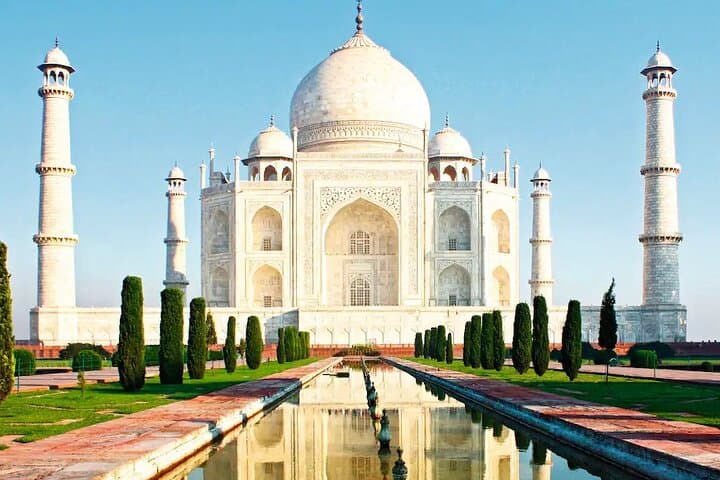

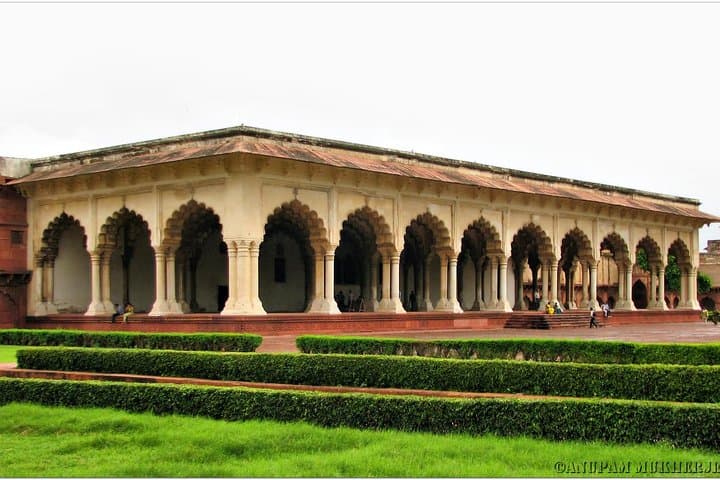

Before dawn the marble seems to breathe—cool, pale, and briefly luminous as the sky lightens. You step from an air‑conditioned car into a carpet of chilled air, camera in hand, watching the Taj Mahal’s reflected silhouette tremble in the long pool. Later the day opens to red sandstone battlements at Agra Fort and, farther out, the quiet paddocks of an elephant rescue where animals move with deliberate curiosity.
Before dawn the marble seems to breathe—cool, pale, and briefly luminous as the sky lightens. You step from an air‑conditioned car into a carpet of chilled air, camera in hand, watching the Taj Mahal’s reflected silhouette tremble in the long pool. Later the day opens to red sandstone battlements at Agra Fort and, farther out, the quiet paddocks of an elephant rescue where animals move with deliberate curiosity.
The Taj Mahal was built in the 17th century by Shah Jahan and sits on the alluvial plain of the Yamuna; the white Makrana marble and pietra dura inlay work are hallmarks of Mughal craftsmanship. Agra Fort, once an imperial city center, offers terrace views that frame the same river that shaped the valley’s soft soils and historic trade routes. Local culture centers on Mughlai cuisine, marble workshops, and markets selling hand‑inlay souvenirs—practical reminders that this is a living city, not just a postcard.
Practically, expect a long but smooth day: pickups in Delhi, a 3–4 hour drive each way, 13–15 hours total. Sunrise light is best but winter fog can push the visit to daylight hours. Wear sturdy walking shoes for gardens and fort stonework, carry water and small change for entry or tips, and plan respectful dress inside monuments. If you opt for the elephant sanctuary visit, listen to keepers’ guidance—interactions are educational but limited to minimize stress. This itinerary pairs iconic architecture with wildlife recovery, making for a full, thoughtful day that balances spectacle with stewardship.