THE ADVENTURE COLLECTIVE® · Independent discovery and booking for outdoor travel

Catch the Taj Mahal at first light, explore Agra Fort, and visit a rehabilitation-focused elephant center on a full-day private tour from Delhi. This itinerary blends architectural history with hands-on conservation insight—expect an early start and a long, rewarding day.
Catch the Taj Mahal at first light, explore Agra Fort, and visit a rehabilitation-focused elephant center on a full-day private tour from Delhi. This itinerary blends architectural history with hands-on conservation insight—expect an early start and a long, rewarding day.
You arrive before dawn, the car stilled against a pale horizon as the road unspools toward Agra. By the time the marble gleams, the Taj Mahal stands cool and quiet, the Yamuna nudging its foundations while the first light softens carved inlay and calligraphy.
Verified experiences and guided adventures in the surrounding area.
Operated by Travel Creators Of India · Agra, Uttar Pradesh
You arrive before dawn, the car stilled against a pale horizon as the road unspools toward Agra. By the time the marble gleams, the Taj Mahal stands cool and quiet, the Yamuna nudging its foundations while the first light softens carved inlay and calligraphy.
The complex—built by Mughal emperor Shah Jahan beginning in 1632—reads as engineered grief: symmetrical gardens, raised plinth, and a dome that marks both devotion and imperial ambition. Downriver, Agra Fort (often called the Red Fort) reveals the layered power plays of Akbar and his successors in sandstone pavilions and defensive walls. The day shifts from monuments to living conservation at the Elephant Center, where rescued Asian elephants are cared for and you learn the practical realities of rehabilitation.
Geology is subtle but present: alluvial plains feed the Yamuna, and the soft soils shaped where these structures settle, while locally quarried marble and red sandstone define the town’s palette. Culturally, Agra is a crossroads of Mughal architecture and contemporary hospitality—expect guides fluent in history and vendors offering inlay work and petha sweets.
Practical guidance: plan a very early start from Delhi (this is a 12–13 hour day), carry small-denomination INR cash, and bring a light layer for pre-dawn chill. Wear sturdy, comfortable shoes for uneven pathways, and keep hydration and sun protection handy—the site enforces security checks and some areas restrict food. Respect sanctuary rules: observe, don’t feed, and opt for ethical photography. With planning, the day pairs one of the world’s great monuments with a tangible conservation story.
easy.
12–13 hours.
Basic stamina for walking on paved and uneven surfaces and tolerating a long day in transit
Expect about 3–4 hours each way by private vehicle depending on traffic; the full itinerary runs roughly 12–13 hours.
Options include a package with monument entrance and lunch; if not included, guides can assist with purchases but carry cash as some counters may not accept cards.
The listed sanctuary focuses on rescue and rehabilitation; observe guidelines on interaction and ask staff about animal care practices during your visit.
Photography is allowed in most outdoor areas; follow site rules—tripods may be restricted and certain interior spaces have tighter controls.
The Taj Mahal was commissioned by Shah Jahan in the 17th century as a mausoleum for Mumtaz Mahal and exemplifies Mughal artistry combining Persian and Indian influences.
Visitor management and local conservation groups aim to reduce wear on monuments and support ethical elephant rehabilitation; avoid contributing to litter and respect sanctuary protocols.
Travel Creators Of India operates guided outdoor trips and adventures with an emphasis on safety, stewardship, and memorable experiences.
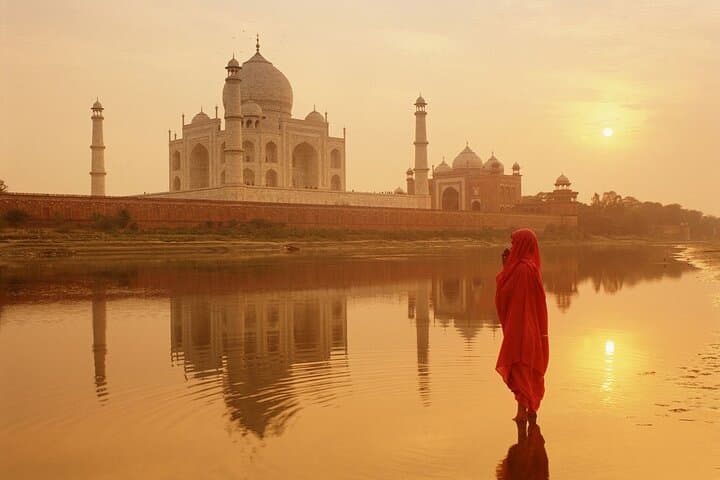
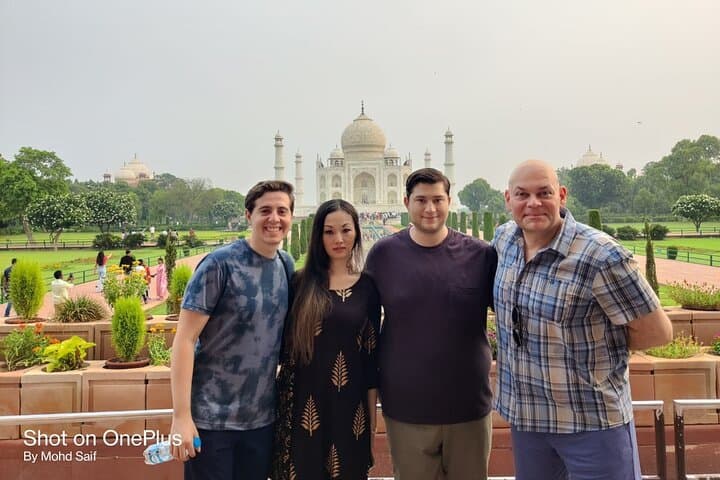


You arrive before dawn, the car stilled against a pale horizon as the road unspools toward Agra. By the time the marble gleams, the Taj Mahal stands cool and quiet, the Yamuna nudging its foundations while the first light softens carved inlay and calligraphy.
You arrive before dawn, the car stilled against a pale horizon as the road unspools toward Agra. By the time the marble gleams, the Taj Mahal stands cool and quiet, the Yamuna nudging its foundations while the first light softens carved inlay and calligraphy.
The complex—built by Mughal emperor Shah Jahan beginning in 1632—reads as engineered grief: symmetrical gardens, raised plinth, and a dome that marks both devotion and imperial ambition. Downriver, Agra Fort (often called the Red Fort) reveals the layered power plays of Akbar and his successors in sandstone pavilions and defensive walls. The day shifts from monuments to living conservation at the Elephant Center, where rescued Asian elephants are cared for and you learn the practical realities of rehabilitation.
Geology is subtle but present: alluvial plains feed the Yamuna, and the soft soils shaped where these structures settle, while locally quarried marble and red sandstone define the town’s palette. Culturally, Agra is a crossroads of Mughal architecture and contemporary hospitality—expect guides fluent in history and vendors offering inlay work and petha sweets.
Practical guidance: plan a very early start from Delhi (this is a 12–13 hour day), carry small-denomination INR cash, and bring a light layer for pre-dawn chill. Wear sturdy, comfortable shoes for uneven pathways, and keep hydration and sun protection handy—the site enforces security checks and some areas restrict food. Respect sanctuary rules: observe, don’t feed, and opt for ethical photography. With planning, the day pairs one of the world’s great monuments with a tangible conservation story.