THE ADVENTURE COLLECTIVE® · Independent discovery and booking for outdoor travel

Catch the Taj Mahal at sunrise, skip the lines at Agra Fort, and explore the Baby Taj on a private day trip from Delhi. This fully guided tour pairs efficient transport with local insight for a compact, memorable visit.
Catch the Taj Mahal at sunrise, skip the lines at Agra Fort, and explore the Baby Taj on a private day trip from Delhi. This fully guided tour pairs efficient transport with local insight for a compact, memorable visit.
Before dawn the car slips onto the Yamuna Expressway and the road narrows to a line of headlights; by the time the sky lightens the marble of the Taj Mahal has already begun to change color. Visitors arrive quietly, camera straps slack, as the monument’s low light polishes its domes and minarets. The river nearby moves like a patient companion, reflecting the first pale tones and amplifying the hush.
Verified experiences and guided adventures in the surrounding area.
Operated by Amin Tours · Agra, Uttar Pradesh
Before dawn the car slips onto the Yamuna Expressway and the road narrows to a line of headlights; by the time the sky lightens the marble of the Taj Mahal has already begun to change color. Visitors arrive quietly, camera straps slack, as the monument’s low light polishes its domes and minarets. The river nearby moves like a patient companion, reflecting the first pale tones and amplifying the hush.
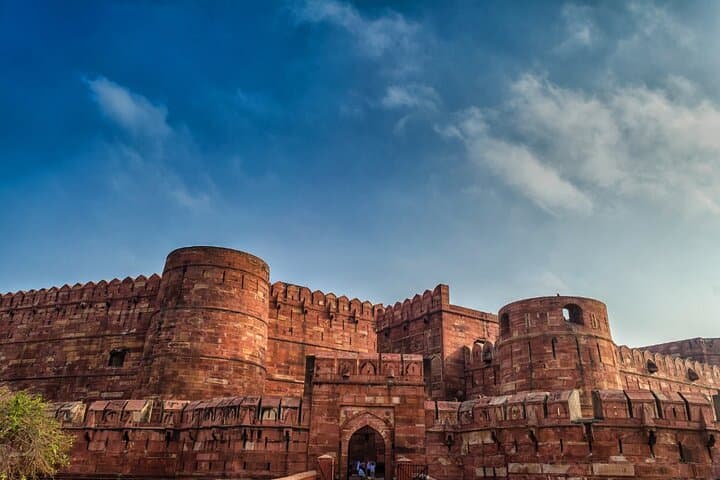
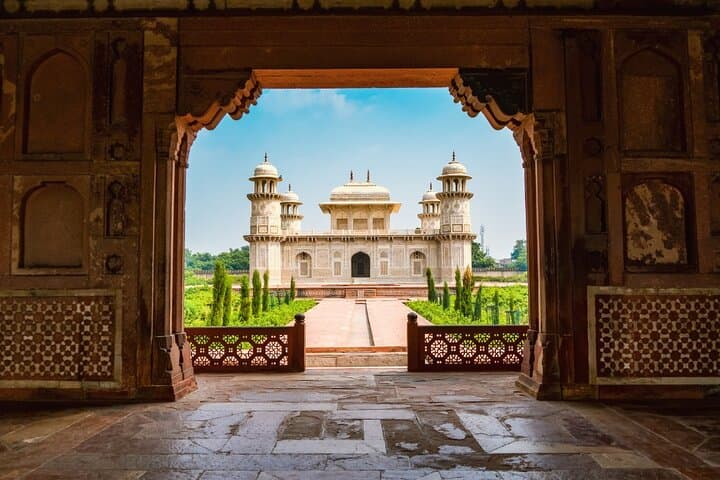
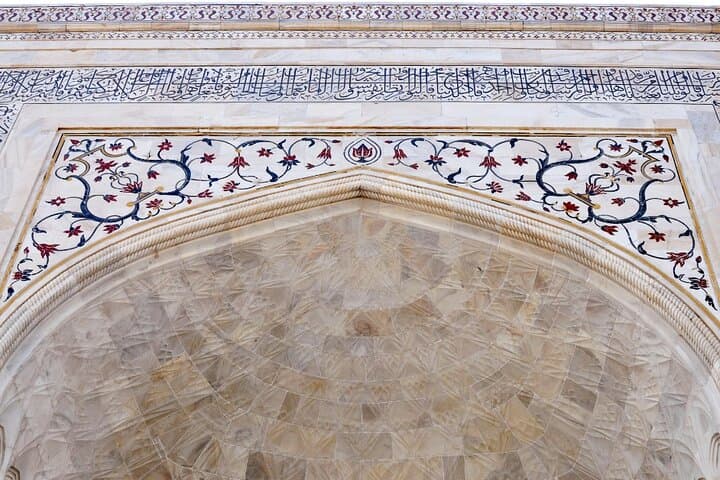
This route traverses Mughal history: the Taj Mahal (completed mid-17th century by Shah Jahan), the 16th-century red sandstone ramparts of Agra Fort built under Akbar, and the Baby Taj (I'timād-ud-Daulah), an intricate precursor in pietra dura work. Agra’s geology—limestone and alluvial plains—made marble transport and elaborate garden layouts practical along the Yamuna. Local culture centers on Mughlai cuisine, marble inlay workshops, and bustling bazaars where craftsmen carve and inlay stone by hand.
Practically speaking, expect a long but accessible day: typical itineraries start pre-dawn for sunrise, include guided access that skips ticket queues, a mid-day lunch break, and return to Delhi by evening. Carry lightweight layers for the morning chill, modest clothing for monument entry, and comfortable walking shoes for uneven pathways and steps. Security checks and photo rules are enforced; the Taj is closed on Fridays. Hydrate, keep valuables secure, and budget extra time for traffic on return. For photographers, the changing light around the monument rewards patience—arrive early, move slowly, and let the guide handle tickets and logistics so you can focus on the views.
easy.
12 hours.
Suitable for most fitness levels; involves walking on uneven surfaces and stairs for several short periods throughout the day.
Ticket inclusion depends on the chosen option; many private tours offer a tickets-and-meals package—confirm at booking.
The Taj is closed every Friday for congregational prayers; plan visits on other days or adjust your tour date accordingly.
Travel time via the Yamuna Expressway is roughly 3 hours one way, though traffic and stops can extend the trip.
Many operators provide wheelchair-accessible transport and accessible routes; confirm availability and needs when booking.
The Taj Mahal was commissioned by Shah Jahan in the 1630s as a mausoleum for Mumtaz Mahal; Agra Fort dates primarily to Emperor Akbar’s 16th-century reign.
Ongoing conservation addresses marble discoloration and pollution control; visitor management and queueing help reduce wear on fragile surfaces.
Amin Tours operates guided outdoor trips and adventures with an emphasis on safety, stewardship, and memorable experiences.

Before dawn the car slips onto the Yamuna Expressway and the road narrows to a line of headlights; by the time the sky lightens the marble of the Taj Mahal has already begun to change color. Visitors arrive quietly, camera straps slack, as the monument’s low light polishes its domes and minarets. The river nearby moves like a patient companion, reflecting the first pale tones and amplifying the hush.
Before dawn the car slips onto the Yamuna Expressway and the road narrows to a line of headlights; by the time the sky lightens the marble of the Taj Mahal has already begun to change color. Visitors arrive quietly, camera straps slack, as the monument’s low light polishes its domes and minarets. The river nearby moves like a patient companion, reflecting the first pale tones and amplifying the hush.
This route traverses Mughal history: the Taj Mahal (completed mid-17th century by Shah Jahan), the 16th-century red sandstone ramparts of Agra Fort built under Akbar, and the Baby Taj (I'timād-ud-Daulah), an intricate precursor in pietra dura work. Agra’s geology—limestone and alluvial plains—made marble transport and elaborate garden layouts practical along the Yamuna. Local culture centers on Mughlai cuisine, marble inlay workshops, and bustling bazaars where craftsmen carve and inlay stone by hand.
Practically speaking, expect a long but accessible day: typical itineraries start pre-dawn for sunrise, include guided access that skips ticket queues, a mid-day lunch break, and return to Delhi by evening. Carry lightweight layers for the morning chill, modest clothing for monument entry, and comfortable walking shoes for uneven pathways and steps. Security checks and photo rules are enforced; the Taj is closed on Fridays. Hydrate, keep valuables secure, and budget extra time for traffic on return. For photographers, the changing light around the monument rewards patience—arrive early, move slowly, and let the guide handle tickets and logistics so you can focus on the views.