THE ADVENTURE COLLECTIVE® · Independent discovery and booking for outdoor travel

Watch the Taj Mahal glow at dawn on a private day tour from Delhi. This full-day trip pairs an early-morning visit to the Taj with Agra Fort and local handicraft stops—ideal for travelers short on time but wanting the essentials.
Watch the Taj Mahal glow at dawn on a private day tour from Delhi. This full-day trip pairs an early-morning visit to the Taj with Agra Fort and local handicraft stops—ideal for travelers short on time but wanting the essentials.
Before dawn the car hums onto the Yamuna Expressway and the land tilts slowly toward Agra, the horizon whitening as the Taj Mahal first appears: a pale dome set against a cool sky, its marble catching the day’s first light.
Verified experiences and guided adventures in the surrounding area.
Operated by Ajay Day Tours · Agra, Uttar Pradesh
Before dawn the car hums onto the Yamuna Expressway and the land tilts slowly toward Agra, the horizon whitening as the Taj Mahal first appears: a pale dome set against a cool sky, its marble catching the day’s first light.
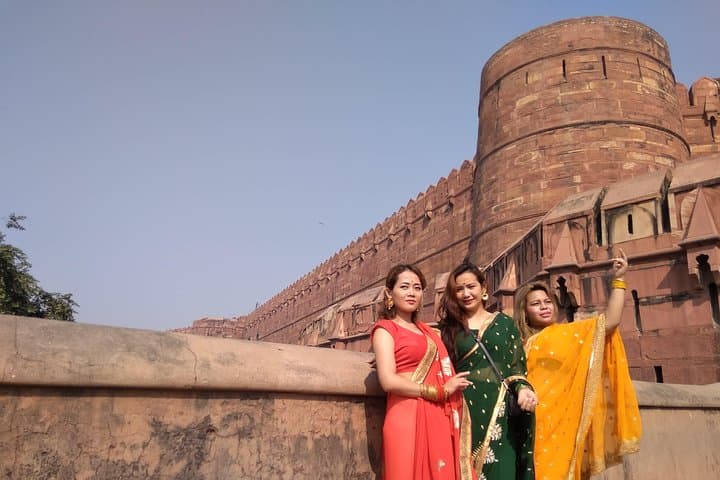
Built by Shah Jahan in the 17th century as a mausoleum for Mumtaz Mahal, the Taj sits on the southern bank of the Yamuna River, its white marble quarried and inlaid with semi-precious stones. Geologically the plain is alluvial—flat, low-lying, and shaped by centuries of river sediment—so the monument reads like an architectural island rising from agricultural fields and low urban blocks. Nearby Agra Fort, carved from red sandstone, was the Mughal power center and gives a practical counterpoint to the Taj’s funerary perfection.
Culturally, the city still hums with artisans: marble inlay work, pietra dura, and embroidered textiles available in small workshops near tourist lanes. Mehtab Bagh across the river offers a quieter viewpoint; the crowded main platforms are where the story of Mughal romance meets modern tourism.
Practical guidance: plan for an early pickup from Delhi (about 3–4 hours by expressway, ~230 km), expect 1.5–2 hours exploring the Taj and another hour at Agra Fort. Carry ID for entry, wear comfortable walking shoes and modest clothing for interior areas, and travel light—security restricts large bags.
Timing is everything: sunrise softens the marble and the light is best for photos and fewer crowds. Hydrate, bring sun protection, and allow time for artisanal stops if you want to see local craft without feeling rushed.
easy.
12 hours.
Suitable for most fitness levels; requires walking on paved paths and some stairs at Agra Fort.
Expect roughly 3–4 hours each way via the Yamuna Expressway, depending on traffic; the full trip is offered as a 12-hour day tour.
This tour lists monuments entry as included if you book the all-inclusive option—confirm at booking for ticket coverage.
Photography is allowed in the grounds and exterior; interior rules can vary—follow onsite signage and guide advice for any restrictions.
Some accessibility accommodations exist, but there are stairs and paved terraces; check with the operator in advance for specific wheelchair-accessible arrangements.
The Taj Mahal was commissioned by Emperor Shah Jahan in the 1630s as a mausoleum for Mumtaz Mahal; Agra Fort served as the Mughal imperial residence and military hub.
Air pollution and tourist wear threaten the marble’s surface; follow local guidelines—avoid touching inlaid panels, stay on designated paths, and limit plastic waste.
Ajay Day Tours operates guided outdoor trips and adventures with an emphasis on safety, stewardship, and memorable experiences.
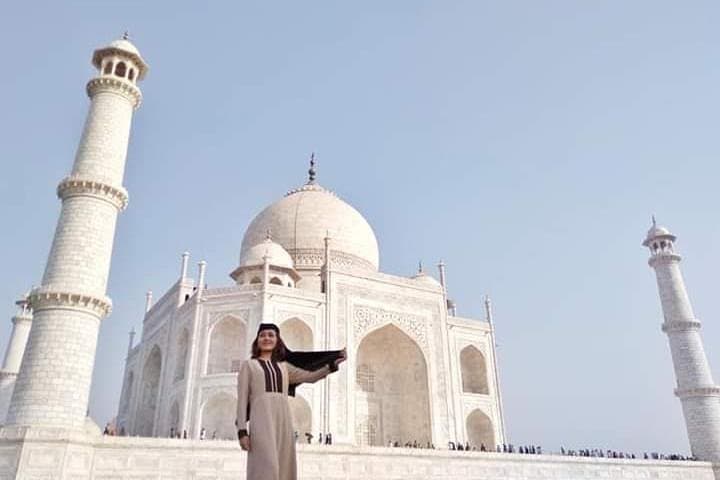
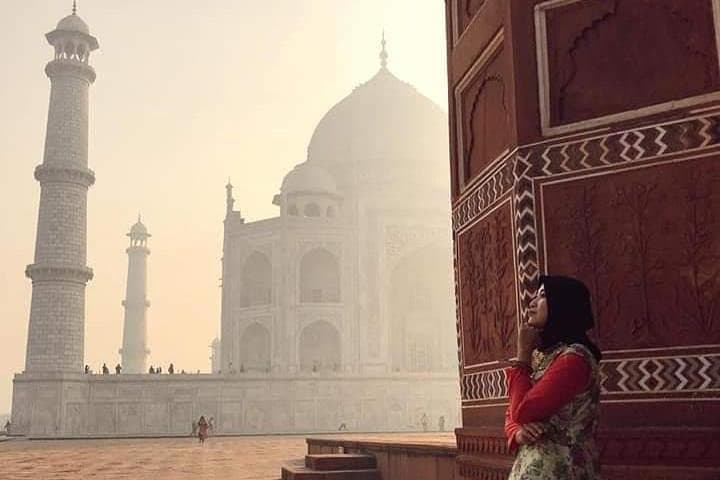
Before dawn the car hums onto the Yamuna Expressway and the land tilts slowly toward Agra, the horizon whitening as the Taj Mahal first appears: a pale dome set against a cool sky, its marble catching the day’s first light.
Before dawn the car hums onto the Yamuna Expressway and the land tilts slowly toward Agra, the horizon whitening as the Taj Mahal first appears: a pale dome set against a cool sky, its marble catching the day’s first light.
Built by Shah Jahan in the 17th century as a mausoleum for Mumtaz Mahal, the Taj sits on the southern bank of the Yamuna River, its white marble quarried and inlaid with semi-precious stones. Geologically the plain is alluvial—flat, low-lying, and shaped by centuries of river sediment—so the monument reads like an architectural island rising from agricultural fields and low urban blocks. Nearby Agra Fort, carved from red sandstone, was the Mughal power center and gives a practical counterpoint to the Taj’s funerary perfection.
Culturally, the city still hums with artisans: marble inlay work, pietra dura, and embroidered textiles available in small workshops near tourist lanes. Mehtab Bagh across the river offers a quieter viewpoint; the crowded main platforms are where the story of Mughal romance meets modern tourism.
Practical guidance: plan for an early pickup from Delhi (about 3–4 hours by expressway, ~230 km), expect 1.5–2 hours exploring the Taj and another hour at Agra Fort. Carry ID for entry, wear comfortable walking shoes and modest clothing for interior areas, and travel light—security restricts large bags.
Timing is everything: sunrise softens the marble and the light is best for photos and fewer crowds. Hydrate, bring sun protection, and allow time for artisanal stops if you want to see local craft without feeling rushed.