THE ADVENTURE COLLECTIVE® · Independent discovery and booking for outdoor travel

Combine the Taj Mahal’s iconic marble elegance with the raw thrill of Ranthambhore tiger safaris on a tightly paced 2‑day private tour from Delhi. Expect early starts, long drives, and two very different landscapes—imperial history followed by wildlife edge-of-seat moments.
Combine the Taj Mahal’s iconic marble elegance with the raw thrill of Ranthambhore tiger safaris on a tightly paced 2‑day private tour from Delhi. Expect early starts, long drives, and two very different landscapes—imperial history followed by wildlife edge-of-seat moments.
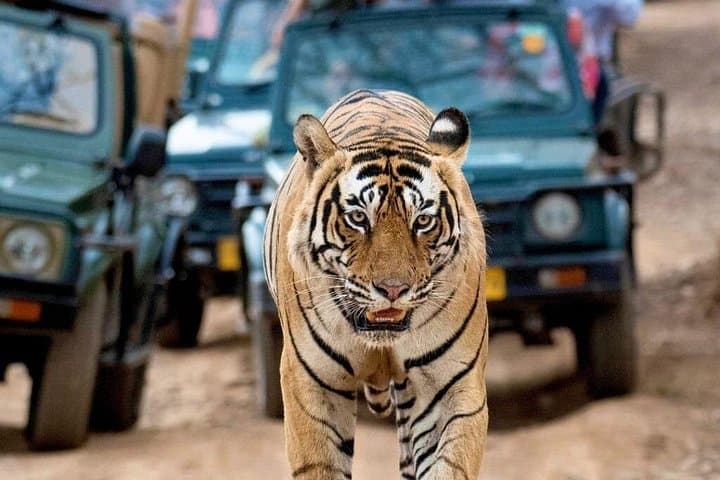
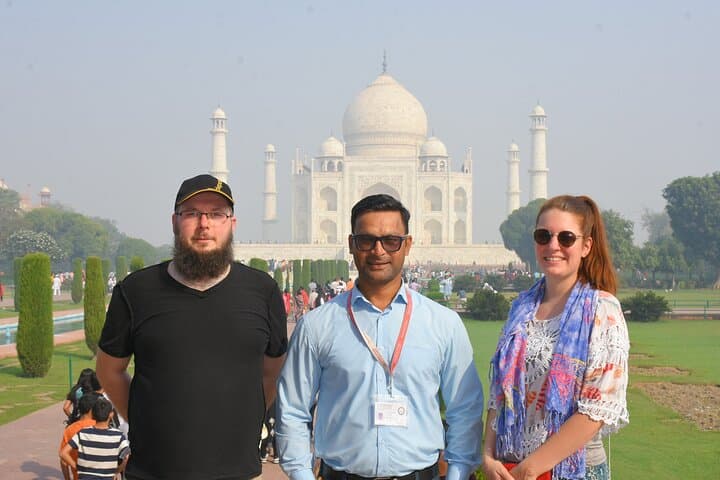
Dawn on the river plain lights the Taj Mahal in a cool, pearly glow while, a day later, the scrub and boulders of Ranthambhore wait with a different breath—dry, hot, and watchful. You pass from the alluvial flats of the Yamuna to the craggy sandstone outcrops of Rajasthan, swapping marble courtyards for sun-scorched sal forest and waterholes where tigers come to drink.
Verified experiences and guided adventures in the surrounding area.
Operated by Taj Mirror Tours · Sawai Madhopur, Rajasthan
Dawn on the river plain lights the Taj Mahal in a cool, pearly glow while, a day later, the scrub and boulders of Ranthambhore wait with a different breath—dry, hot, and watchful. You pass from the alluvial flats of the Yamuna to the craggy sandstone outcrops of Rajasthan, swapping marble courtyards for sun-scorched sal forest and waterholes where tigers come to drink.
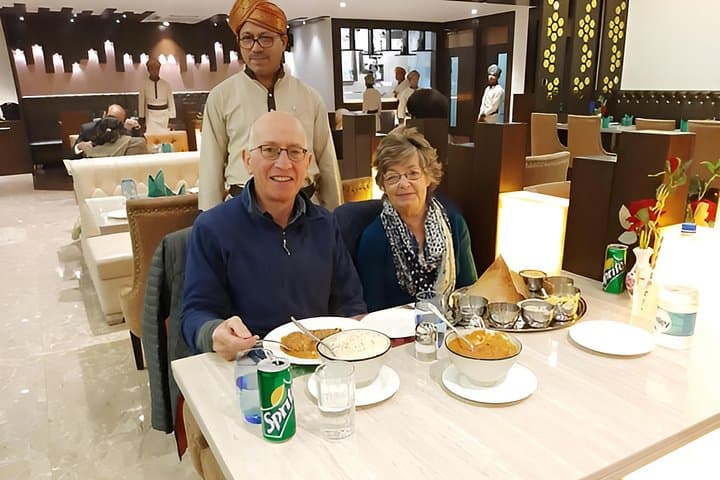
The Taj Mahal crowns Agra’s Mughal legacy: 17th‑century marble work, symmetrical gardens, and a strict visiting routine (closed Fridays). Ranthambhore carries older layers—a hill fort with Chauhan and Mughal phases—and wildlife adapted to seasonal pools and grassy meadows carved into granite and sandstone. Local culture threads Mughlai and Rajasthani cuisine into the journey: expect rich curries in Agra and spicy Laal Maas flavors near Ranthambhore.
Practically: the two-day private route pairs a morning or late‑afternoon Taj visit with road time to Sawai Madhopur and a pre‑dawn safari the next day. Safaris are vehicle‑based (jeep/canter) with a park guide; sightings are never guaranteed but are more likely in cooler months when animals gather at water. Bring a valid photo ID for monument checks, wear muted colors for safaris, and plan for dusty roads and early starts. Binoculars and a telephoto lens reward patience; hydration and sun protection keep the day comfortable.
This itinerary balances history and high-stakes wildlife watching—intense, short, and focused for travelers who want a compact taste of India’s architectural and natural highlights.
moderate.
2 days.
Light to moderate fitness; short walks at monuments and early or bumpy safari rides require mobility but no specialized conditioning
The Taj Mahal is closed on Fridays; plan your visit for any other day and bring a valid photo ID for entry.
Tiger sightings are generally more likely in the cooler, dry months (October–March) when animals concentrate at waterholes, though sightings are never guaranteed.
Safari permits and park entry fees are arranged through the operator or at the park; private tours typically handle booking and vehicle allocation for you.
Driving Delhi to Agra takes about 3–4 hours; Agra to Ranthambhore is 6–7 hours by road, so expect long transfer segments on this 2‑day itinerary.
The Taj Mahal is a 17th‑century Mughal mausoleum built by Shah Jahan; Ranthambhore Fort dates to medieval Rajput and later Mughal periods, sitting on ancient rocky outcrops.
Ranthambhore is part of India’s Project Tiger reserves—visitor rules and regulated safari quotas aim to minimize disturbance and protect core habitat.
Taj Mirror Tours operates guided outdoor trips and adventures with an emphasis on safety, stewardship, and memorable experiences.

Dawn on the river plain lights the Taj Mahal in a cool, pearly glow while, a day later, the scrub and boulders of Ranthambhore wait with a different breath—dry, hot, and watchful. You pass from the alluvial flats of the Yamuna to the craggy sandstone outcrops of Rajasthan, swapping marble courtyards for sun-scorched sal forest and waterholes where tigers come to drink.
Dawn on the river plain lights the Taj Mahal in a cool, pearly glow while, a day later, the scrub and boulders of Ranthambhore wait with a different breath—dry, hot, and watchful. You pass from the alluvial flats of the Yamuna to the craggy sandstone outcrops of Rajasthan, swapping marble courtyards for sun-scorched sal forest and waterholes where tigers come to drink.
The Taj Mahal crowns Agra’s Mughal legacy: 17th‑century marble work, symmetrical gardens, and a strict visiting routine (closed Fridays). Ranthambhore carries older layers—a hill fort with Chauhan and Mughal phases—and wildlife adapted to seasonal pools and grassy meadows carved into granite and sandstone. Local culture threads Mughlai and Rajasthani cuisine into the journey: expect rich curries in Agra and spicy Laal Maas flavors near Ranthambhore.
Practically: the two-day private route pairs a morning or late‑afternoon Taj visit with road time to Sawai Madhopur and a pre‑dawn safari the next day. Safaris are vehicle‑based (jeep/canter) with a park guide; sightings are never guaranteed but are more likely in cooler months when animals gather at water. Bring a valid photo ID for monument checks, wear muted colors for safaris, and plan for dusty roads and early starts. Binoculars and a telephoto lens reward patience; hydration and sun protection keep the day comfortable.
This itinerary balances history and high-stakes wildlife watching—intense, short, and focused for travelers who want a compact taste of India’s architectural and natural highlights.