THE ADVENTURE COLLECTIVE® · Independent discovery and booking for outdoor travel

A private full‑day tour that pairs the Taj Mahal’s marble grandeur with the cramped, colorful lanes of Old Agra. Perfect for travelers who want history, architecture and authentic markets in one long day.
A private full‑day tour that pairs the Taj Mahal’s marble grandeur with the cramped, colorful lanes of Old Agra. Perfect for travelers who want history, architecture and authentic markets in one long day.
You step out of the air‑conditioned car and the heat and hum of modern India give way to a courtyard of white marble that slows your breath—the Taj Mahal looms, its minarets slicing the sky, the river Yamuna running patient and wide behind it.
Verified experiences and guided adventures in the surrounding area.
Operated by Private India Guided Tours · Agra, Uttar Pradesh
You step out of the air‑conditioned car and the heat and hum of modern India give way to a courtyard of white marble that slows your breath—the Taj Mahal looms, its minarets slicing the sky, the river Yamuna running patient and wide behind it.
This private day trip threads two distinct Agra stories: the 17th‑century Mughal ambition that built the Taj Mahal and Agra Fort, and the older, living city where markets, mosques and temples trade in noise, spice and craft. Geologically, the site sits on the flat alluvial plains of the Yamuna—soft silt that allowed monumental masonry but demands ongoing conservation against rising water tables and seasonal flooding. Architecturally, expect pietra dura inlay, Makrana marble, red sandstone façades and the layered symmetry Mughal planners favored.
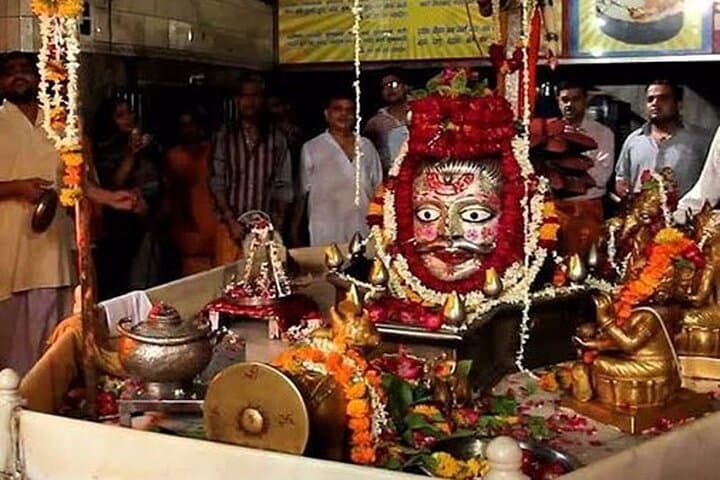
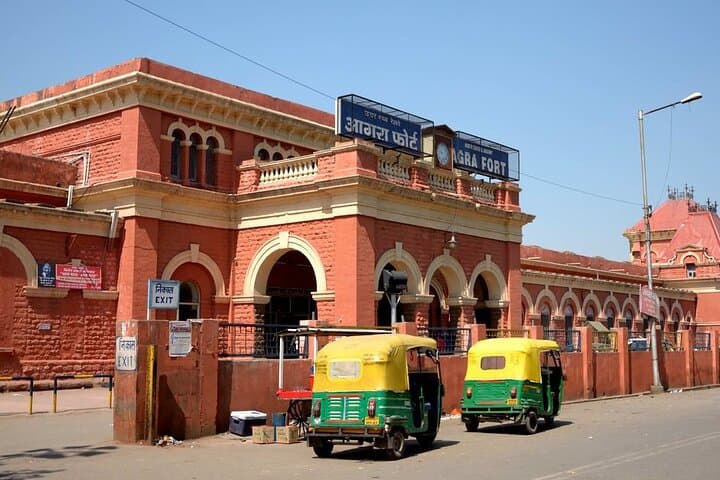
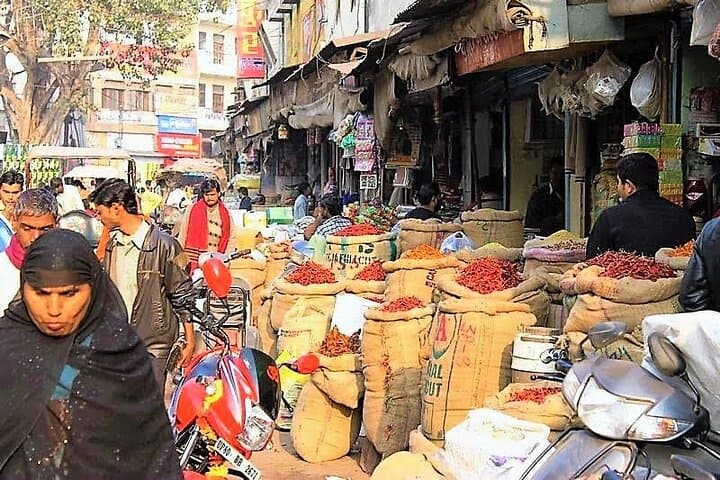
Culturally the walk through Old Agra moves fast: Jama Masjid’s carved prayer hall, the maze of Bijli Ghar cloth stalls, and Rawatpara spice alleys where aromas push at you. Guides can point out colonial touches too—the old railway station and British‑era civic buildings—helping connect the city’s layered past to present day commerce.
Practical guidance: it’s a long day—10–12 hours with road transfer from Delhi—so prioritize early starts at the Taj to avoid heat and crowds. Wear sturdy walking shoes for uneven lanes, carry sun protection and a refillable water bottle, and keep small cash for market purchases. Dress respectfully for mosque visits. Expect a mix of walking and short drives; entrances and lunch are handled on most private tours, but bring photocopies of ID and be ready for security checks at major monuments.
easy.
10–12 hours.
Basic walking fitness; comfortable covering several kilometers on flat but uneven surfaces throughout a long day.
Most drives on the Yamuna Expressway take about 3 hours one way without heavy traffic—plan for a 6–7 hour round trip plus sightseeing.
Not always; many private tours include transport and guiding but not monument entry—confirm when booking and have payment ready for tickets if required.
Yes; the itinerary is rated easy with vehicle transfers between sites, but expect several hours on foot and some standing during visits.
Sunrise visits depend on monument hours and local logistics—private tours often arrange early access but confirm exact timing when booking.
Agra rose to prominence under Mughal emperors like Akbar and Shah Jahan; the Taj Mahal (completed 1653) is Shah Jahan’s mausoleum for Mumtaz Mahal and anchors the city’s Mughal heritage.
Rising pollution and groundwater changes threaten the Taj’s marble; conservation authorities limit nearby emissions and restrict certain activities to protect the monument.
Private India Guided Tours operates guided outdoor trips and adventures with an emphasis on safety, stewardship, and memorable experiences.
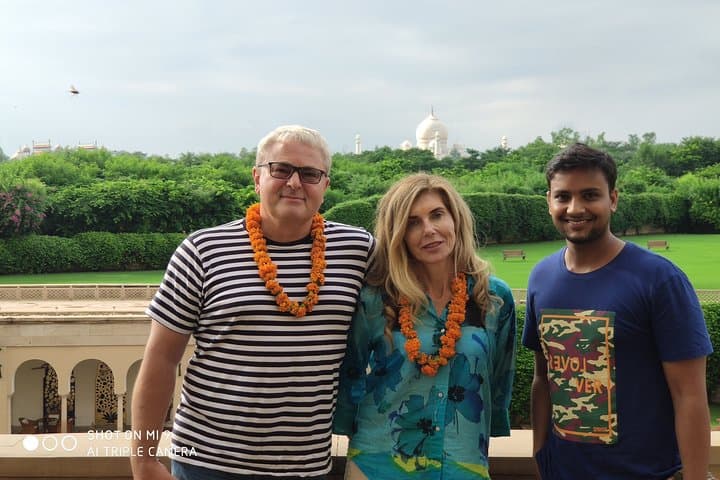
You step out of the air‑conditioned car and the heat and hum of modern India give way to a courtyard of white marble that slows your breath—the Taj Mahal looms, its minarets slicing the sky, the river Yamuna running patient and wide behind it.
You step out of the air‑conditioned car and the heat and hum of modern India give way to a courtyard of white marble that slows your breath—the Taj Mahal looms, its minarets slicing the sky, the river Yamuna running patient and wide behind it.
This private day trip threads two distinct Agra stories: the 17th‑century Mughal ambition that built the Taj Mahal and Agra Fort, and the older, living city where markets, mosques and temples trade in noise, spice and craft. Geologically, the site sits on the flat alluvial plains of the Yamuna—soft silt that allowed monumental masonry but demands ongoing conservation against rising water tables and seasonal flooding. Architecturally, expect pietra dura inlay, Makrana marble, red sandstone façades and the layered symmetry Mughal planners favored.
Culturally the walk through Old Agra moves fast: Jama Masjid’s carved prayer hall, the maze of Bijli Ghar cloth stalls, and Rawatpara spice alleys where aromas push at you. Guides can point out colonial touches too—the old railway station and British‑era civic buildings—helping connect the city’s layered past to present day commerce.
Practical guidance: it’s a long day—10–12 hours with road transfer from Delhi—so prioritize early starts at the Taj to avoid heat and crowds. Wear sturdy walking shoes for uneven lanes, carry sun protection and a refillable water bottle, and keep small cash for market purchases. Dress respectfully for mosque visits. Expect a mix of walking and short drives; entrances and lunch are handled on most private tours, but bring photocopies of ID and be ready for security checks at major monuments.