THE ADVENTURE COLLECTIVE® · Independent discovery and booking for outdoor travel

See the Taj Mahal and New Delhi’s highlights in a compact, private 48-hour route that balances sunrise photography, Mughal monuments, and Old Delhi’s market energy. Practical tips cover timing, etiquette, and what to pack for two full days on foot.
See the Taj Mahal and New Delhi’s highlights in a compact, private 48-hour route that balances sunrise photography, Mughal monuments, and Old Delhi’s market energy. Practical tips cover timing, etiquette, and what to pack for two full days on foot.
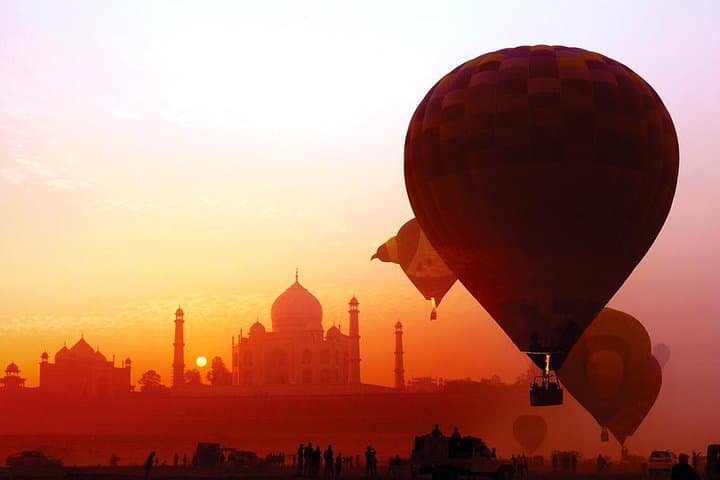
Morning light on the Yamuna slices through the marble of the Taj Mahal, and the air vibrates with the first vendors setting up in Agra’s lanes. On a two-day private tour from Delhi, travelers move from the ordered avenues of New Delhi into the Mughal-era geometry of Agra, where architecture and riverine plain meet in hard, photogenic lines.
Verified experiences and guided adventures in the surrounding area.
Operated by Travel Creators Of India · Agra, Uttar Pradesh
Morning light on the Yamuna slices through the marble of the Taj Mahal, and the air vibrates with the first vendors setting up in Agra’s lanes. On a two-day private tour from Delhi, travelers move from the ordered avenues of New Delhi into the Mughal-era geometry of Agra, where architecture and riverine plain meet in hard, photogenic lines.
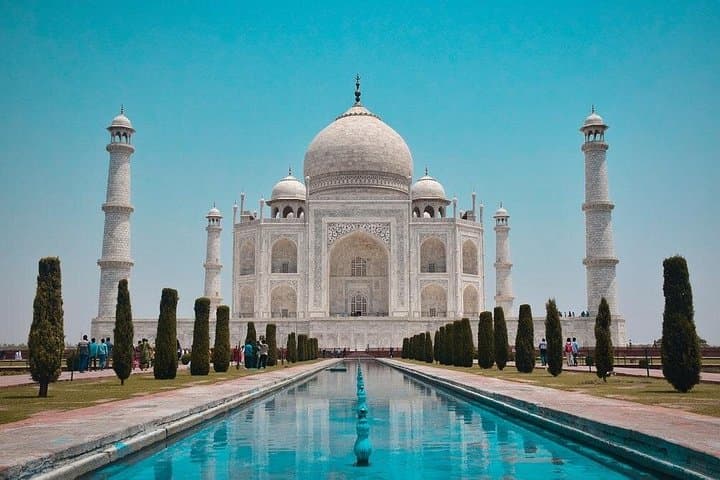
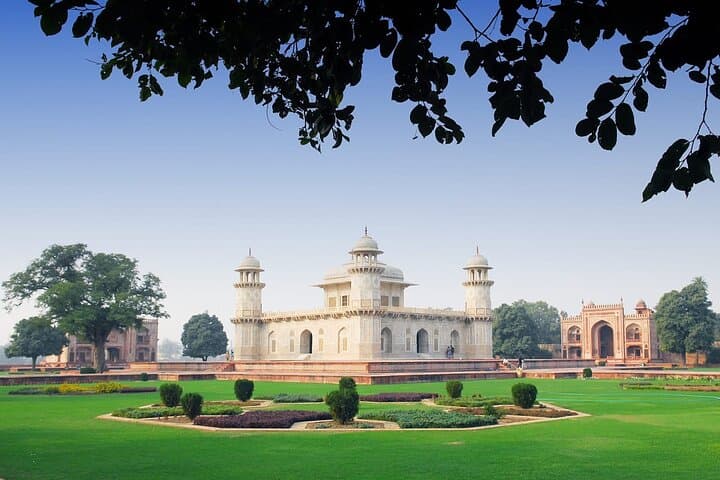
The route traces Mughal history: the Taj Mahal, a 17th-century funerary complex commissioned by Shah Jahan; Agra Fort’s red-sandstone ramparts that once controlled the river approaches; and the delicate pietra dura of Itmad-ud-Daulah, the “Baby Taj” that presaged later marble work. Geologically, both cities sit on the Indo-Gangetic alluvial plain—flat terrain shaped by centuries of Yamuna flooding—so vistas are horizontal and broad rather than alpine.
Culturally, the days move between crowded bazaars, rickshaw alleys of Old Delhi, and the measured ceremonial spaces of imperial tombs. Guides commonly include local insights: where to find authentic chaat in Old Delhi, the best viewpoint at Mehtab Bagh across the river, and etiquette for mosque visits.
Practical guidance: start at sunrise at the Taj to avoid heat and crowds and to capture softer light. Expect a lot of walking on stone floors and uneven surfaces—supportive shoes and a reusable water bottle matter. Carry sunscreen, modest clothing for mosque visits, and a small day pack for documents and camera gear. Note the Taj is closed on Fridays; confirm entrance fees and pickup details with your operator before travel.
moderate.
2 days (full-day excursions).
You should be comfortable walking 3–6 miles over paved and uneven stone surfaces each day; moderate stamina required for sustained sightseeing.
Entry fees are not explicitly listed in the inclusions—confirm with the operator at booking; many tours require you to buy tickets locally or can add them on request.
Yes—pickup and drop-off from Delhi hotels or the airport are offered; specify exact pickup details when booking.
Shoe covers are often provided for visitors entering the main mausoleum; comfortable shoes are still recommended for surrounding gardens and access paths.
The Taj Mahal is closed on Fridays for congregational prayers; schedule visits on other days and plan Delhi sightseeing accordingly.
The itinerary follows Mughal-era monuments built and modified between the 16th and 17th centuries, reflecting imperial patronage of architecture that fused Persian and Indian craftsmanship.
Air pollution and tourist wear are ongoing concerns for Agra’s marble monuments; using provided shoe covers, minimizing litter, and following guide instructions helps reduce impact.
Travel Creators Of India operates guided outdoor trips and adventures with an emphasis on safety, stewardship, and memorable experiences.

Morning light on the Yamuna slices through the marble of the Taj Mahal, and the air vibrates with the first vendors setting up in Agra’s lanes. On a two-day private tour from Delhi, travelers move from the ordered avenues of New Delhi into the Mughal-era geometry of Agra, where architecture and riverine plain meet in hard, photogenic lines.
Morning light on the Yamuna slices through the marble of the Taj Mahal, and the air vibrates with the first vendors setting up in Agra’s lanes. On a two-day private tour from Delhi, travelers move from the ordered avenues of New Delhi into the Mughal-era geometry of Agra, where architecture and riverine plain meet in hard, photogenic lines.
The route traces Mughal history: the Taj Mahal, a 17th-century funerary complex commissioned by Shah Jahan; Agra Fort’s red-sandstone ramparts that once controlled the river approaches; and the delicate pietra dura of Itmad-ud-Daulah, the “Baby Taj” that presaged later marble work. Geologically, both cities sit on the Indo-Gangetic alluvial plain—flat terrain shaped by centuries of Yamuna flooding—so vistas are horizontal and broad rather than alpine.
Culturally, the days move between crowded bazaars, rickshaw alleys of Old Delhi, and the measured ceremonial spaces of imperial tombs. Guides commonly include local insights: where to find authentic chaat in Old Delhi, the best viewpoint at Mehtab Bagh across the river, and etiquette for mosque visits.
Practical guidance: start at sunrise at the Taj to avoid heat and crowds and to capture softer light. Expect a lot of walking on stone floors and uneven surfaces—supportive shoes and a reusable water bottle matter. Carry sunscreen, modest clothing for mosque visits, and a small day pack for documents and camera gear. Note the Taj is closed on Fridays; confirm entrance fees and pickup details with your operator before travel.