THE ADVENTURE COLLECTIVE® · Independent discovery and booking for outdoor travel

Experience the Taj Mahal with a private, English-speaking art historian who brings its inlay work, geometry, and Mughal history to life. This 2–4 hour guided visit highlights the best viewpoints, practical tips for timing and entry, and nearby photo stops.
Experience the Taj Mahal with a private, English-speaking art historian who brings its inlay work, geometry, and Mughal history to life. This 2–4 hour guided visit highlights the best viewpoints, practical tips for timing and entry, and nearby photo stops.
You step through the red sandstone gate and the Taj appears, white marble flushing from the morning light as the Yamuna pushes a cool breeze across the platform. A guide with a practiced voice points out the delicate pietra dura, the calligraphic panels, and the play of shadow across domes; the site feels both monumental and intimate.
Verified experiences and guided adventures in the surrounding area.
Operated by Taj India journey · Agra, Uttar Pradesh
You step through the red sandstone gate and the Taj appears, white marble flushing from the morning light as the Yamuna pushes a cool breeze across the platform. A guide with a practiced voice points out the delicate pietra dura, the calligraphic panels, and the play of shadow across domes; the site feels both monumental and intimate.
Built in the mid-17th century by Emperor Shah Jahan in memory of Mumtaz Mahal, the Taj Mahal is Mughal architecture distilled: perfect geometry, onion domes, and Makrana marble quarried from Rajasthan that shifts color with the sun. The river that skirts the complex has shaped sightlines for centuries and the surrounding Agra markets add a lively human counterpoint to the stone calm.
Expect a guided experience that emphasizes art history, symbolism, and local context — why the pietra dura patterns mirror Persian sources, how the gardens reflect charbagh planning, and what conservationists face with air pollution and visitor wear. Guides often include a quick walk through the old market or a photo stop across the river at Mehtab Bagh for sunset reflections.
Practicalities: tours run about 2–4 hours, and the site closes to general visitors on Fridays for prayers. Security is strict (no large bags or tripods inside the mausoleum), and modest, smart-casual dress is required; shoes must be removed or covered for entry into the inner chamber. Go at sunrise to avoid heat and crowds, carry water, and book tickets in advance to save time. A private, art-historian guide turns the marble into stories, helping you see detail and history you would likely miss on your own.
easy.
2–4 hours.
Suitable for most fitness levels; involves standing and walking on paved platforms and garden paths
The Taj is open daily except Fridays, when it is closed to general visitors for prayers in the mosque.
Yes; visitors must remove shoes or use shoe covers provided to enter the inner chamber.
Large bags and tripods are typically prohibited inside the main complex; leave them at your hotel or in a secure locker.
Private guided visits most commonly last between 2 and 4 hours, which covers the Taj, its immediate gardens, and a nearby viewpoint.
The Taj Mahal was commissioned by Mughal Emperor Shah Jahan in 1632 as a mausoleum for Mumtaz Mahal and combines Persian, Indian, and Islamic design elements.
The Archaeological Survey of India manages conservation; there are ongoing efforts to limit pollution and control visitor impact to protect the marble and inlay work.
Taj India journey operates guided outdoor trips and adventures with an emphasis on safety, stewardship, and memorable experiences.
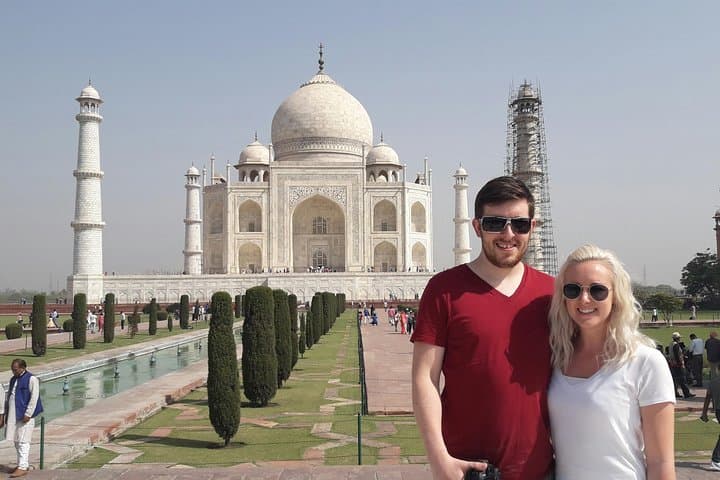
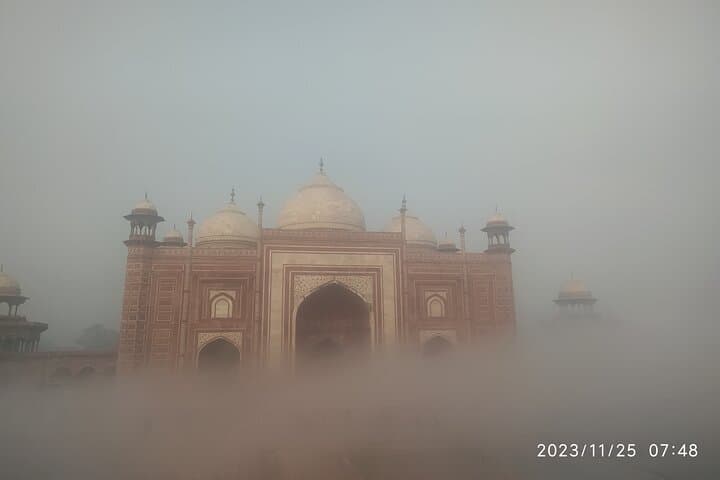
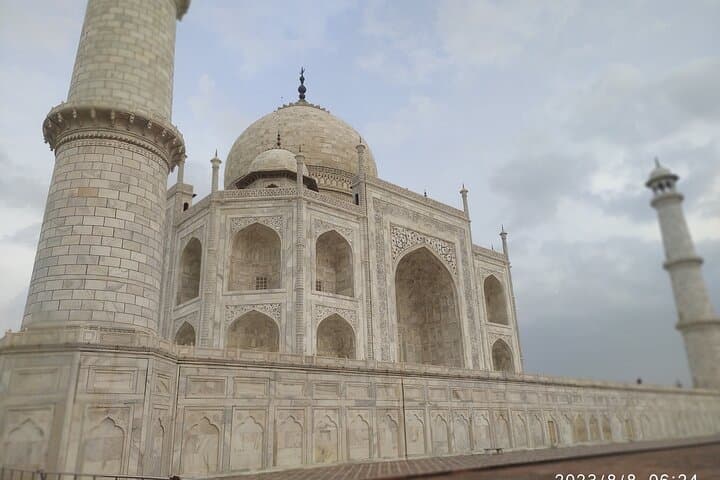
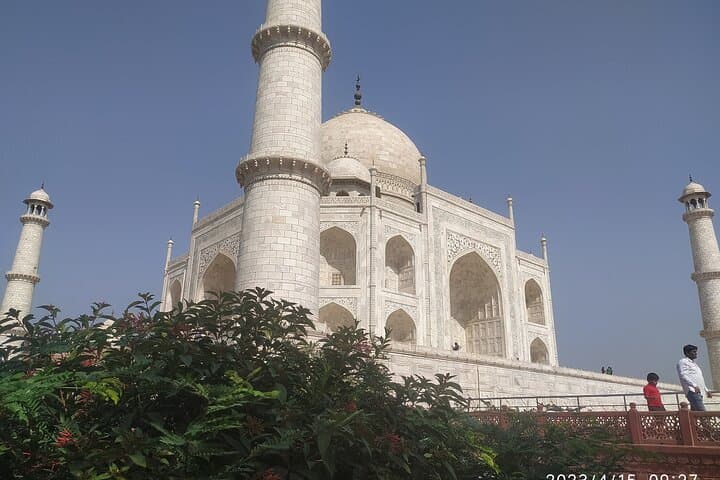
You step through the red sandstone gate and the Taj appears, white marble flushing from the morning light as the Yamuna pushes a cool breeze across the platform. A guide with a practiced voice points out the delicate pietra dura, the calligraphic panels, and the play of shadow across domes; the site feels both monumental and intimate.
You step through the red sandstone gate and the Taj appears, white marble flushing from the morning light as the Yamuna pushes a cool breeze across the platform. A guide with a practiced voice points out the delicate pietra dura, the calligraphic panels, and the play of shadow across domes; the site feels both monumental and intimate.
Built in the mid-17th century by Emperor Shah Jahan in memory of Mumtaz Mahal, the Taj Mahal is Mughal architecture distilled: perfect geometry, onion domes, and Makrana marble quarried from Rajasthan that shifts color with the sun. The river that skirts the complex has shaped sightlines for centuries and the surrounding Agra markets add a lively human counterpoint to the stone calm.
Expect a guided experience that emphasizes art history, symbolism, and local context — why the pietra dura patterns mirror Persian sources, how the gardens reflect charbagh planning, and what conservationists face with air pollution and visitor wear. Guides often include a quick walk through the old market or a photo stop across the river at Mehtab Bagh for sunset reflections.
Practicalities: tours run about 2–4 hours, and the site closes to general visitors on Fridays for prayers. Security is strict (no large bags or tripods inside the mausoleum), and modest, smart-casual dress is required; shoes must be removed or covered for entry into the inner chamber. Go at sunrise to avoid heat and crowds, carry water, and book tickets in advance to save time. A private, art-historian guide turns the marble into stories, helping you see detail and history you would likely miss on your own.