THE ADVENTURE COLLECTIVE® · Independent discovery and booking for outdoor travel

Combine an early visit to the Taj Mahal with a responsible afternoon at an elephant rescue center outside Agra. This day trip pairs world-class architecture with hands-on wildlife conservation and practical tips for travelers.
Combine an early visit to the Taj Mahal with a responsible afternoon at an elephant rescue center outside Agra. This day trip pairs world-class architecture with hands-on wildlife conservation and practical tips for travelers.
The drive east from New Delhi eases into open plains; highways slice through mustard fields and the Yamuna appears as a silver line that seems to pull you toward Agra. Arrive before mid-morning to see the Taj Mahal’s marble glow shift under the sun, then move later in the day to the quieter banks where rescued elephants bathe and graze.
Verified experiences and guided adventures in the surrounding area.
Operated by Discover Activities · Agra, Uttar Pradesh
The drive east from New Delhi eases into open plains; highways slice through mustard fields and the Yamuna appears as a silver line that seems to pull you toward Agra. Arrive before mid-morning to see the Taj Mahal’s marble glow shift under the sun, then move later in the day to the quieter banks where rescued elephants bathe and graze.
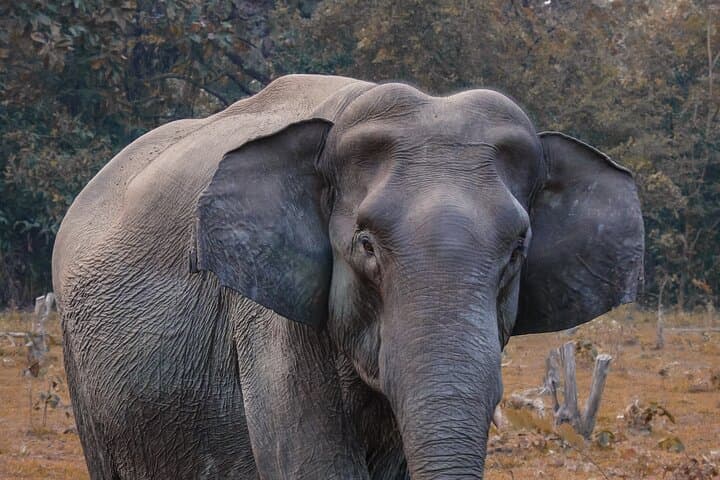
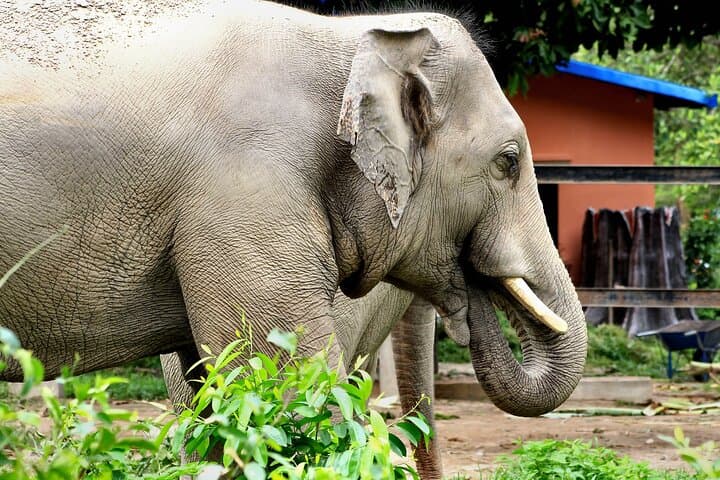
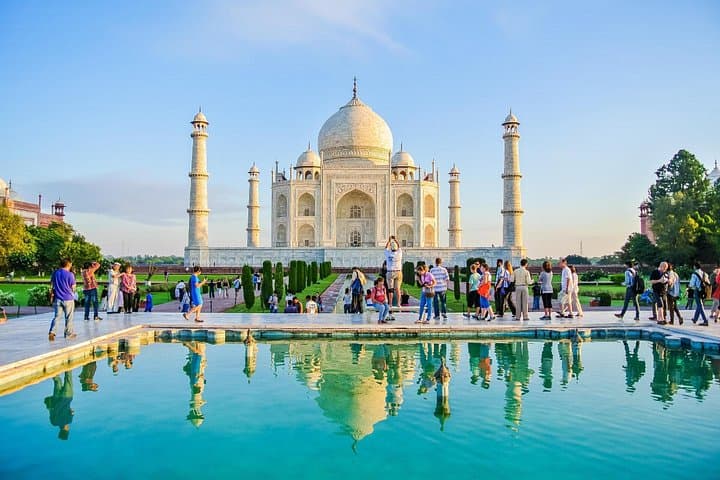
The Taj Mahal was commissioned by Mughal emperor Shah Jahan in the 17th century as a mausoleum for Mumtaz Mahal; its white marble and inlaid pietra dura reflect both imperial ambition and the skilled stonework of the subcontinent. Geologically, the structure sits on alluvial plains beside the Yamuna—soft soils that require ongoing conservation to protect its foundations. Nearby, the Wildlife SOS Elephant Conservation and Care Center rehabilitates elephants rescued from begging, temple, and performance abuse; the center combines veterinary care with large paddocks and river access so elephants can express natural behaviors.
Practical guidance: this is a full 10–13 hour day (approx. 240 km each way by road). Expect early pickup from Delhi and security screening at the Taj; bring ID. Dress respectfully for the monument and modestly for the animal center. Footwear should be comfortable for walking on marble and dirt paths. Carry 1–2 liters of water, sun protection, and small cash for incidental purchases. Photography is allowed at the Taj but follow guard instructions; at the sanctuary, keep noise low and follow staff directions to avoid stressing animals. The combined cultural and conservation visit makes for a grounded, responsible day trip that pairs one of the world’s great monuments with hands-on wildlife learning.
easy.
10–13 hours.
Suitable for most fitness levels; requires ability to walk on uneven surfaces and stand during visits
The drive is about 240 km each way and typically takes around 3 hours one way on the Yamuna Expressway, depending on traffic.
This tour includes entry fees to the Taj Mahal and the Elephant Conservation Centre as part of the advertised inclusions.
Interaction is limited and supervised; you’ll observe bathing and care activities, but handling or feeding is only allowed under staff guidance for safety and welfare.
Yes—it's marked suitable for all fitness levels, but infants must sit on an adult’s lap and supervision is required around animals and water.
The Taj Mahal was built in the mid-1600s by Shah Jahan; its construction mobilized thousands of artisans and materials from across South Asia and beyond.
The Elephant Conservation Centre focuses on veterinary rehabilitation and long-term sanctuary living; visitors support care operations, but follow rules to minimize stress and avoid disturbance.
Discover Activities operates guided outdoor trips and adventures with an emphasis on safety, stewardship, and memorable experiences.

The drive east from New Delhi eases into open plains; highways slice through mustard fields and the Yamuna appears as a silver line that seems to pull you toward Agra. Arrive before mid-morning to see the Taj Mahal’s marble glow shift under the sun, then move later in the day to the quieter banks where rescued elephants bathe and graze.
The drive east from New Delhi eases into open plains; highways slice through mustard fields and the Yamuna appears as a silver line that seems to pull you toward Agra. Arrive before mid-morning to see the Taj Mahal’s marble glow shift under the sun, then move later in the day to the quieter banks where rescued elephants bathe and graze.
The Taj Mahal was commissioned by Mughal emperor Shah Jahan in the 17th century as a mausoleum for Mumtaz Mahal; its white marble and inlaid pietra dura reflect both imperial ambition and the skilled stonework of the subcontinent. Geologically, the structure sits on alluvial plains beside the Yamuna—soft soils that require ongoing conservation to protect its foundations. Nearby, the Wildlife SOS Elephant Conservation and Care Center rehabilitates elephants rescued from begging, temple, and performance abuse; the center combines veterinary care with large paddocks and river access so elephants can express natural behaviors.
Practical guidance: this is a full 10–13 hour day (approx. 240 km each way by road). Expect early pickup from Delhi and security screening at the Taj; bring ID. Dress respectfully for the monument and modestly for the animal center. Footwear should be comfortable for walking on marble and dirt paths. Carry 1–2 liters of water, sun protection, and small cash for incidental purchases. Photography is allowed at the Taj but follow guard instructions; at the sanctuary, keep noise low and follow staff directions to avoid stressing animals. The combined cultural and conservation visit makes for a grounded, responsible day trip that pairs one of the world’s great monuments with hands-on wildlife learning.