THE ADVENTURE COLLECTIVE® · Independent discovery and booking for outdoor travel

Make a long but efficient day of it: a private car ride along the Yamuna Expressway brings you to the Taj Mahal and Agra Fort with a guide, park-side views, and time to explore Mughal architecture. Plan for early light, strict security, and a 12–14 hour itinerary.
Make a long but efficient day of it: a private car ride along the Yamuna Expressway brings you to the Taj Mahal and Agra Fort with a guide, park-side views, and time to explore Mughal architecture. Plan for early light, strict security, and a 12–14 hour itinerary.
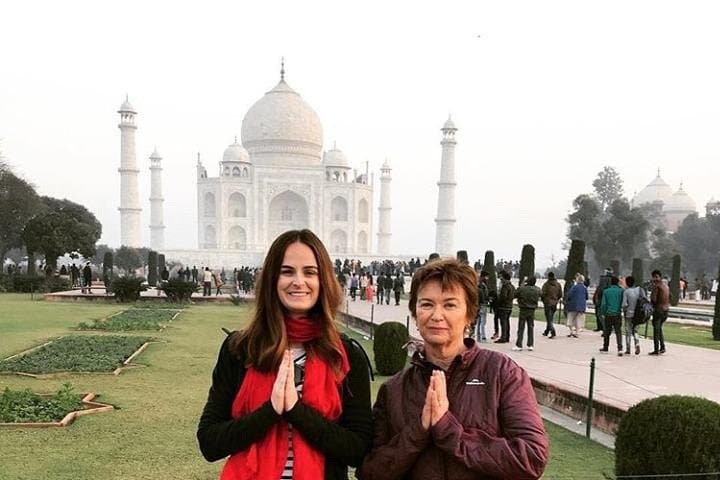
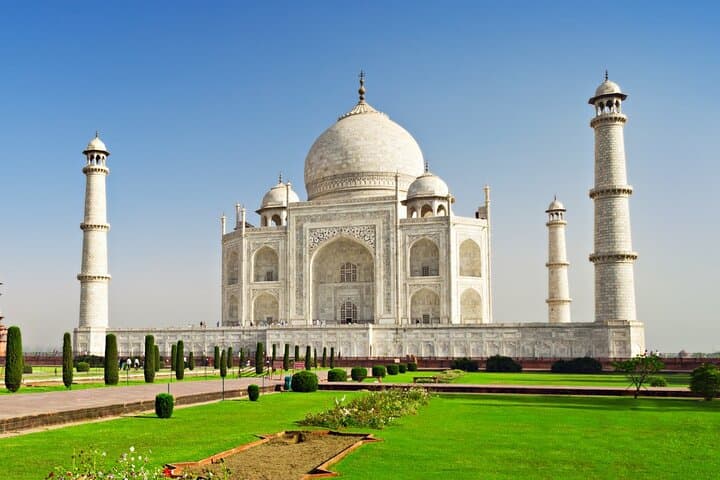
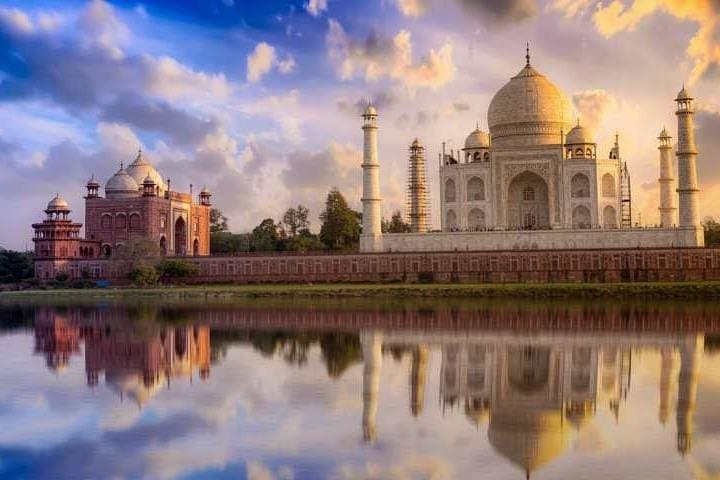
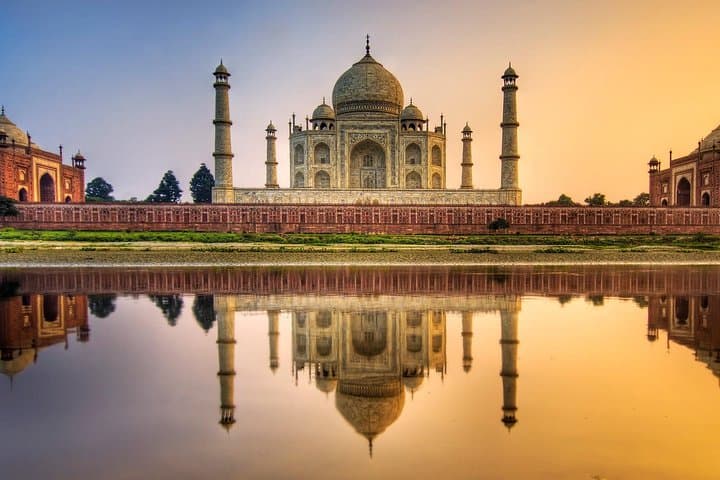
Before sunrise the Yamuna Expressway eats up distance: a glassy ribbon of asphalt pushing the car toward Agra while the river beside it dares you to look away from the road. By the time the white marble appears on the skyline, the Taj Mahal seems to emerge from the air itself — cool and deliberate, its reflection trembling in the long pools.
Verified experiences and guided adventures in the surrounding area.
Operated by Tour Guide Delhi · Agra, Uttar Pradesh
Before sunrise the Yamuna Expressway eats up distance: a glassy ribbon of asphalt pushing the car toward Agra while the river beside it dares you to look away from the road. By the time the white marble appears on the skyline, the Taj Mahal seems to emerge from the air itself — cool and deliberate, its reflection trembling in the long pools.
The Taj dates to the 17th century, commissioned by Shah Jahan as a mausoleum for Mumtaz Mahal; nearby Agra Fort, older and red, holds much of the Mughal story in its chambers and river-facing balconies. Geologically, the mausoleum’s Makrana marble has weathered centuries of sun and monsoon; culturally, Agra is a working city of craftsmen — inlay workshops and courtyards where stone and tradition meet.
Practicalities shape the day: expect a 3–4 hour drive each way on the Yamuna Expressway, about 12–14 hours total for a round trip with stops. Guides make the narrative come together and help navigate security lines; the Taj is typically open from sunrise until sundown and closed on Friday afternoons for prayer. Security checks are strict—large bags and tripods may be refused—so travel light.
Bring comfortable shoes for paved gardens and modest clothing for the mausoleum; mornings and late afternoons offer the best light and smaller crowds. Hydrate on the drive, keep ID accessible for ticketing, and allow time for Agra Fort’s terraces overlooking the river — the fort’s windows frame the Taj like a deliberate photograph. This is a long but richly rewarding day: a collision of landscape, imperial history, and living craft that lands you back in Delhi with a clearer sense of why the monument holds so many human stories.
easy.
12–14 hours.
Suitable for anyone comfortable sitting for long drives and walking 1–2 miles on flat, paved surfaces.
The drive on the Yamuna Expressway typically takes about 3–4 hours each way, depending on traffic and your Delhi pickup point.
Taj Mahal is generally open from sunrise to sunset but is closed on Friday afternoons for prayer services; plan your day accordingly.
Guides are not mandatory but are helpful to navigate security, explain historical context, and speed up monument entry during busy periods.
Large bags, drones, and professional tripods are commonly restricted through security; expect thorough bag checks and metal detectors.
The Taj Mahal (completed 1653) and Agra Fort reflect Mughal imperial power and architectural synthesis of Persian, Central Asian and Indian styles.
High visitor numbers and air quality affect marble preservation; follow site rules, avoid littering, and use refillable bottles when possible.
Tour Guide Delhi operates guided outdoor trips and adventures with an emphasis on safety, stewardship, and memorable experiences.
Before sunrise the Yamuna Expressway eats up distance: a glassy ribbon of asphalt pushing the car toward Agra while the river beside it dares you to look away from the road. By the time the white marble appears on the skyline, the Taj Mahal seems to emerge from the air itself — cool and deliberate, its reflection trembling in the long pools.
Before sunrise the Yamuna Expressway eats up distance: a glassy ribbon of asphalt pushing the car toward Agra while the river beside it dares you to look away from the road. By the time the white marble appears on the skyline, the Taj Mahal seems to emerge from the air itself — cool and deliberate, its reflection trembling in the long pools.
The Taj dates to the 17th century, commissioned by Shah Jahan as a mausoleum for Mumtaz Mahal; nearby Agra Fort, older and red, holds much of the Mughal story in its chambers and river-facing balconies. Geologically, the mausoleum’s Makrana marble has weathered centuries of sun and monsoon; culturally, Agra is a working city of craftsmen — inlay workshops and courtyards where stone and tradition meet.
Practicalities shape the day: expect a 3–4 hour drive each way on the Yamuna Expressway, about 12–14 hours total for a round trip with stops. Guides make the narrative come together and help navigate security lines; the Taj is typically open from sunrise until sundown and closed on Friday afternoons for prayer. Security checks are strict—large bags and tripods may be refused—so travel light.
Bring comfortable shoes for paved gardens and modest clothing for the mausoleum; mornings and late afternoons offer the best light and smaller crowds. Hydrate on the drive, keep ID accessible for ticketing, and allow time for Agra Fort’s terraces overlooking the river — the fort’s windows frame the Taj like a deliberate photograph. This is a long but richly rewarding day: a collision of landscape, imperial history, and living craft that lands you back in Delhi with a clearer sense of why the monument holds so many human stories.