THE ADVENTURE COLLECTIVE® · Independent discovery and booking for outdoor travel

Board the Gatimaan Express at dawn and spend a fast-paced day in Agra visiting the Taj Mahal, Agra Fort, Baby Taj and Mehtab Bagh. This guided, round-trip train tour packs major monuments and local insights into an 11–12 hour cultural day trip from Delhi.
Board the Gatimaan Express at dawn and spend a fast-paced day in Agra visiting the Taj Mahal, Agra Fort, Baby Taj and Mehtab Bagh. This guided, round-trip train tour packs major monuments and local insights into an 11–12 hour cultural day trip from Delhi.
You step onto the platform at Nizamuddin before sunrise, the Gatimaan Express humming and ready to cleave the road between Delhi and Agra. Two hours later the train eases into Agra, and a local guide—placard in hand—leads you through lanes that still remember Mughal courtiers and the distant roar of the Yamuna.
Verified experiences and guided adventures in the surrounding area.
Operated by Limra Holiday · Agra, Uttar Pradesh
You step onto the platform at Nizamuddin before sunrise, the Gatimaan Express humming and ready to cleave the road between Delhi and Agra. Two hours later the train eases into Agra, and a local guide—placard in hand—leads you through lanes that still remember Mughal courtiers and the distant roar of the Yamuna.
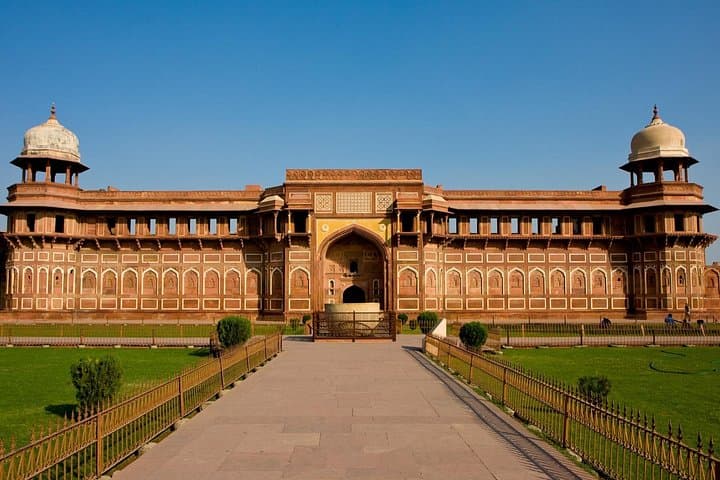
The Taj Mahal dominates this day: white marble rising from a manicured garden, its pietra dura inlays catching late-morning light. Walk the marble plinth, feel the micro-step rhythm of crowded approach paths, and watch the river across the mausoleum, which pushes a silver ribbon behind the monument. Nearby, Agra Fort’s red sandstone bulwarks—built under Akbar in the 16th century—offer a counterpoint of defensive geometry and palace chambers with views back toward the Taj.
The itinerary typically includes Itmad-ud-Daulah (the “Baby Taj”) and optional Mehtab Bagh for a rear view of the Taj at dusk. Local cuisine slips easily between visits: plan for a hotel lunch, and expect a day of steady walking and stair climbs rather than technical hiking.
Practical guidance: bring original ID or passport for train and monument entry, wear comfortable closed shoes for uneven marble and fort steps, and carry water and sun protection—summer heat can be severe. Security checks at the Taj are strict; leave large bags and tripods at your hotel. The full circuit is an 11–12 hour day: plan to move at a deliberate pace to absorb the architecture and history without rushing back onto the evening train.
easy.
11–12 hours.
Suitable for most fitness levels; requires ability to walk 2–4 miles over the day and climb stairs.
Some entrance fees are included depending on booking options; check your confirmation—guides typically help purchase any tickets not included.
The Taj Mahal is closed to visitors on Fridays for worship; this affects itinerary planning and train bookings.
The day involves moderate walking (up to a few miles) and climbing stairs inside Agra Fort; it’s not technical but requires mobility and stamina for a long day.
Large bags and tripods are usually not allowed through security; there are storage options outside but confirm with your guide to avoid delays.
The Taj Mahal was completed under Shah Jahan in the mid-17th century as a mausoleum for Mumtaz Mahal; Agra Fort dates largely to Akbar’s 16th-century expansions and served as a Mughal power center.
Air pollution and river silt have historically threatened marble—visitor management, pollution controls, and regulated access are part of ongoing conservation efforts in the Agra area.
Limra Holiday operates guided outdoor trips and adventures with an emphasis on safety, stewardship, and memorable experiences.



You step onto the platform at Nizamuddin before sunrise, the Gatimaan Express humming and ready to cleave the road between Delhi and Agra. Two hours later the train eases into Agra, and a local guide—placard in hand—leads you through lanes that still remember Mughal courtiers and the distant roar of the Yamuna.
You step onto the platform at Nizamuddin before sunrise, the Gatimaan Express humming and ready to cleave the road between Delhi and Agra. Two hours later the train eases into Agra, and a local guide—placard in hand—leads you through lanes that still remember Mughal courtiers and the distant roar of the Yamuna.
The Taj Mahal dominates this day: white marble rising from a manicured garden, its pietra dura inlays catching late-morning light. Walk the marble plinth, feel the micro-step rhythm of crowded approach paths, and watch the river across the mausoleum, which pushes a silver ribbon behind the monument. Nearby, Agra Fort’s red sandstone bulwarks—built under Akbar in the 16th century—offer a counterpoint of defensive geometry and palace chambers with views back toward the Taj.
The itinerary typically includes Itmad-ud-Daulah (the “Baby Taj”) and optional Mehtab Bagh for a rear view of the Taj at dusk. Local cuisine slips easily between visits: plan for a hotel lunch, and expect a day of steady walking and stair climbs rather than technical hiking.
Practical guidance: bring original ID or passport for train and monument entry, wear comfortable closed shoes for uneven marble and fort steps, and carry water and sun protection—summer heat can be severe. Security checks at the Taj are strict; leave large bags and tripods at your hotel. The full circuit is an 11–12 hour day: plan to move at a deliberate pace to absorb the architecture and history without rushing back onto the evening train.