THE ADVENTURE COLLECTIVE® · Independent discovery and booking for outdoor travel

Spend a full day exploring Agra’s crown jewel and its red‑sandstone counterpart on a private, all‑inclusive trip from Delhi. Expect guided visits to the Taj Mahal and Agra Fort, a local Mughlai lunch, and smooth transfers along the Yamuna Expressway.
Spend a full day exploring Agra’s crown jewel and its red‑sandstone counterpart on a private, all‑inclusive trip from Delhi. Expect guided visits to the Taj Mahal and Agra Fort, a local Mughlai lunch, and smooth transfers along the Yamuna Expressway.
You step from an air-conditioned car onto a wide marble forecourt as the morning light sharpens the Taj Mahal’s silhouette; the Yamuna whispers on the far side, lending the white dome an almost luminous hush. The day unfolds as a measured loop through Mughal history—an approach that lets the monument’s scale and detail sink in rather than overwhelm.
Verified experiences and guided adventures in the surrounding area.
Operated by Taj Golden Tours · Agra, Uttar Pradesh
You step from an air-conditioned car onto a wide marble forecourt as the morning light sharpens the Taj Mahal’s silhouette; the Yamuna whispers on the far side, lending the white dome an almost luminous hush. The day unfolds as a measured loop through Mughal history—an approach that lets the monument’s scale and detail sink in rather than overwhelm.
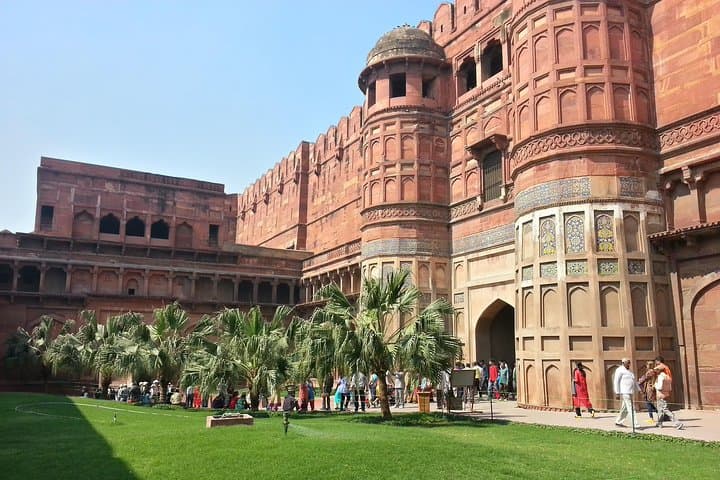
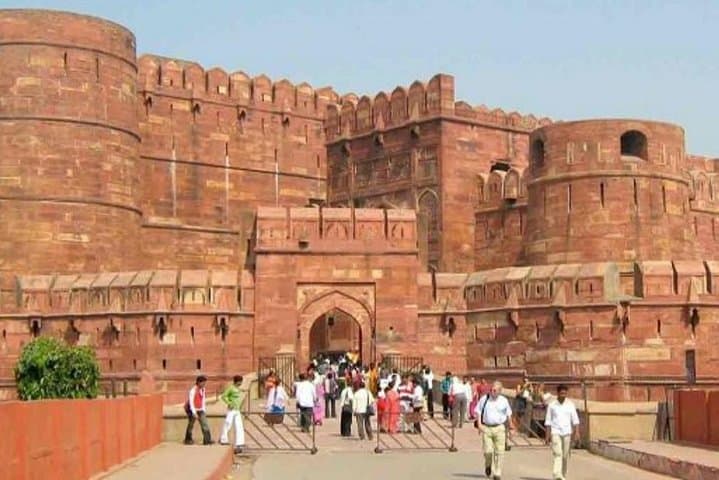
Built in the 17th century by Emperor Shah Jahan in memory of Mumtaz Mahal, the Taj is both an architectural marvel and a storybook of Mughal art: inlaid pietra dura, calligraphic panels, and carefully aligned gardens that frame the tomb. Across the river, Mehtab Bagh offers a quiet viewing point while nearby Agra Fort—red sandstone, battlements, and ornate palaces—tells the political side of that same era, including Shah Jahan’s later confinement.
Culturally, Agra is Mughlai cuisine and marble craft: expect lively markets selling inlaid stonework and workshops echoing with chisels. Geologically, the region’s alluvial plain supplies the white Makrana marble traded and transported here for centuries.
Practical guidance: this is a long day—plan for 10–12 hours including a 3‑hour drive each way from Delhi via Yamuna Expressway. Bring sun protection and comfortable walking shoes; many areas require shoe covers to protect the marble. Photography is allowed in most outdoor spaces but rules vary at entrances. The Taj is closed on Fridays; check opening hours and allow time for security lines. Lunch is included at a local restaurant, and a licensed guide will enrich the visit with historical context. Hydrate often—Agra’s sun can be insistent—and keep valuables secure in crowded market areas.
easy.
10–12 hours.
Basic fitness for walking and standing for extended periods; ability to climb short stair sections at Agra Fort.
Yes—this all‑inclusive tour covers Taj Mahal and Agra Fort entrance fees as stated in the itinerary.
The tour notes wheelchair accessibility for transport and certain areas, but some monument sections have steps—contact the operator ahead to confirm arrangements.
Yes—pickup can be arranged from Delhi hotels or the airport within the specified morning window; provide flight and arrival details when booking.
No—the Taj Mahal is closed to the public every Friday for congregational prayers; plan bookings for other days of the week.
The Taj Mahal (17th century) and Agra Fort (largely 16th–17th centuries) reflect successive Mughal emperors’ architectural and political legacies, including stories of Shah Jahan’s patronage and later confinement.
Air pollution and visitor wear are ongoing concerns; conservation efforts include restricted access to sensitive marble areas, timed entries, and local initiatives to reduce emissions near the monuments.
Taj Golden Tours operates guided outdoor trips and adventures with an emphasis on safety, stewardship, and memorable experiences.

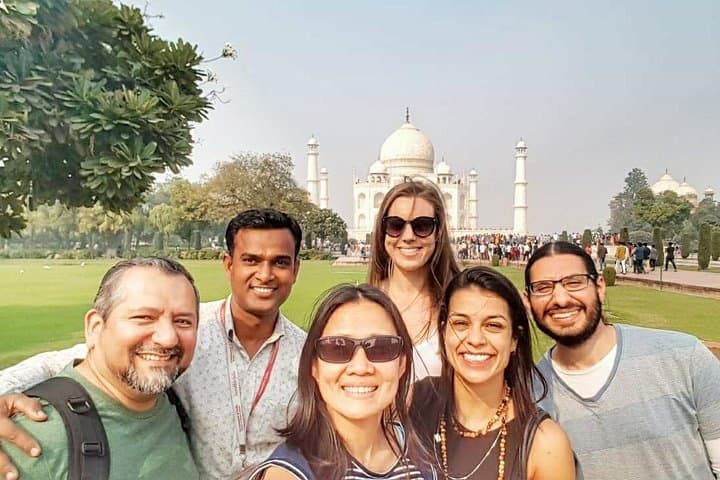
You step from an air-conditioned car onto a wide marble forecourt as the morning light sharpens the Taj Mahal’s silhouette; the Yamuna whispers on the far side, lending the white dome an almost luminous hush. The day unfolds as a measured loop through Mughal history—an approach that lets the monument’s scale and detail sink in rather than overwhelm.
You step from an air-conditioned car onto a wide marble forecourt as the morning light sharpens the Taj Mahal’s silhouette; the Yamuna whispers on the far side, lending the white dome an almost luminous hush. The day unfolds as a measured loop through Mughal history—an approach that lets the monument’s scale and detail sink in rather than overwhelm.
Built in the 17th century by Emperor Shah Jahan in memory of Mumtaz Mahal, the Taj is both an architectural marvel and a storybook of Mughal art: inlaid pietra dura, calligraphic panels, and carefully aligned gardens that frame the tomb. Across the river, Mehtab Bagh offers a quiet viewing point while nearby Agra Fort—red sandstone, battlements, and ornate palaces—tells the political side of that same era, including Shah Jahan’s later confinement.
Culturally, Agra is Mughlai cuisine and marble craft: expect lively markets selling inlaid stonework and workshops echoing with chisels. Geologically, the region’s alluvial plain supplies the white Makrana marble traded and transported here for centuries.
Practical guidance: this is a long day—plan for 10–12 hours including a 3‑hour drive each way from Delhi via Yamuna Expressway. Bring sun protection and comfortable walking shoes; many areas require shoe covers to protect the marble. Photography is allowed in most outdoor spaces but rules vary at entrances. The Taj is closed on Fridays; check opening hours and allow time for security lines. Lunch is included at a local restaurant, and a licensed guide will enrich the visit with historical context. Hydrate often—Agra’s sun can be insistent—and keep valuables secure in crowded market areas.