THE ADVENTURE COLLECTIVE® · Independent discovery and booking for outdoor travel

Make the most of a single day in Agra with early pickup from Delhi, an English guide and lunch. Visit the Taj Mahal, Agra Fort, Itmad-ud-Daulah and Mehtab Bagh with practical tips on timing, admissions and what to bring.
Make the most of a single day in Agra with early pickup from Delhi, an English guide and lunch. Visit the Taj Mahal, Agra Fort, Itmad-ud-Daulah and Mehtab Bagh with practical tips on timing, admissions and what to bring.
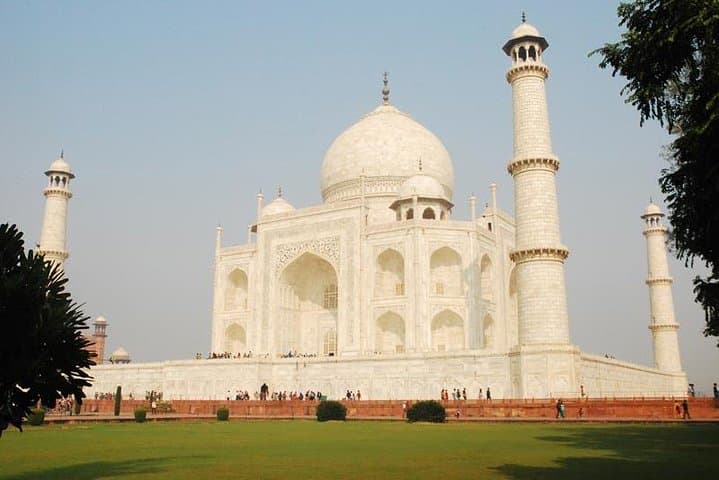
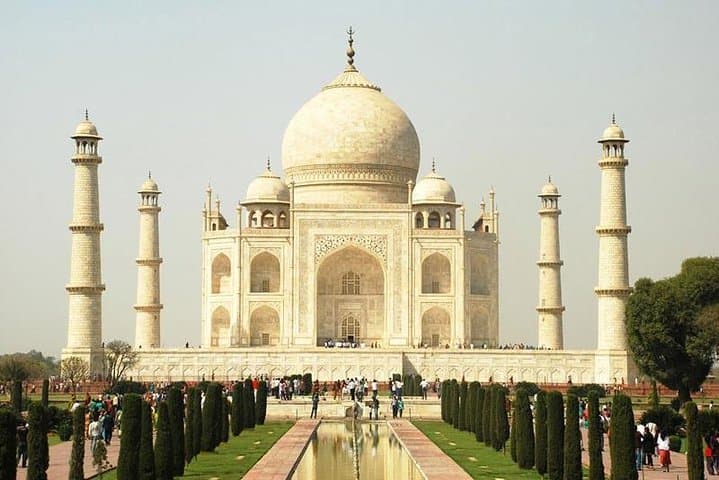
Before sunrise the highway is a steady ribbon of headlights and the coach hums toward the white silhouette waiting on the Yamuna's far bank. By the time you step onto the Taj's red sandstone plinth, the marble reads like a pale sea—cool underfoot, sharp with carved flowers and calligraphy. This full-day run from Delhi compresses Mughal Agra into a single, tightly timed circuit: Taj Mahal, Agra Fort, Itmad-ud-Daulah and Mehtab Bagh.
Verified experiences and guided adventures in the surrounding area.
Operated by Impressive Holidays · Agra, Uttar Pradesh
Before sunrise the highway is a steady ribbon of headlights and the coach hums toward the white silhouette waiting on the Yamuna's far bank. By the time you step onto the Taj's red sandstone plinth, the marble reads like a pale sea—cool underfoot, sharp with carved flowers and calligraphy. This full-day run from Delhi compresses Mughal Agra into a single, tightly timed circuit: Taj Mahal, Agra Fort, Itmad-ud-Daulah and Mehtab Bagh.
The Taj Mahal was raised in the 17th century by Shah Jahan as a mausoleum for Mumtaz Mahal; nearby, Agra Fort—larger, tougher, Akbar’s fortress—shows the empire’s practical side in red sandstone. Itmad-ud-Daulah, the “Baby Taj,” showcases early pietra dura that foreshadows the Taj’s inlay work. Geologically the city sits on the flat alluvial plain of the Ganges-Yamuna basin; marble and sandstone dominate the monuments, while the Yamuna shapes the views and reflections that photographers prize.
Expect paved paths, a few stairs and routine security checks; much of the walking is short but continuous—plan for 2–4 km of walking across sites. The itinerary includes private transport, an English-speaking guide and buffet lunch, but monument admissions are not included. Practical notes: start early to avoid heat and traffic, carry water and sun protection, keep modest dress for mosque areas, and budget a little cash for marble inlay souvenirs and local snacks. Taj is closed on Fridays and traffic back to Delhi can add time—factor that into evening plans. For a culturally dense day that’s low on technical demand but high on historic payoff, this is efficient and surprisingly tactile.
easy.
12 hours.
Suitable for most fitness levels; requires moderate walking on paved surfaces and climbing a few stairs—expect 2–4 km of walking across sites.
No—admission fees for the Taj Mahal and other monuments are not included in the tour price and must be paid separately.
Expect about 3.5–4 hours each way on the Yamuna Expressway depending on traffic; the full trip is a 12-hour day.
Yes—a buffet lunch at a local Agra restaurant is included in the tour inclusions.
Yes for most; the itinerary notes it is physically easy, but it is not recommended for travelers with serious spinal or heart conditions due to the long day and travel.
The Taj Mahal (mid-17th century) was commissioned by Shah Jahan as a mausoleum for Mumtaz Mahal; Agra Fort predates it and reflects Akbar’s 16th-century military and administrative ambitions.
Air pollution and river health have long threatened the Taj’s marble—local conservation efforts and visitor management aim to reduce impact, including limits on vehicle access and routine maintenance.
Impressive Holidays operates guided outdoor trips and adventures with an emphasis on safety, stewardship, and memorable experiences.

Before sunrise the highway is a steady ribbon of headlights and the coach hums toward the white silhouette waiting on the Yamuna's far bank. By the time you step onto the Taj's red sandstone plinth, the marble reads like a pale sea—cool underfoot, sharp with carved flowers and calligraphy. This full-day run from Delhi compresses Mughal Agra into a single, tightly timed circuit: Taj Mahal, Agra Fort, Itmad-ud-Daulah and Mehtab Bagh.
Before sunrise the highway is a steady ribbon of headlights and the coach hums toward the white silhouette waiting on the Yamuna's far bank. By the time you step onto the Taj's red sandstone plinth, the marble reads like a pale sea—cool underfoot, sharp with carved flowers and calligraphy. This full-day run from Delhi compresses Mughal Agra into a single, tightly timed circuit: Taj Mahal, Agra Fort, Itmad-ud-Daulah and Mehtab Bagh.
The Taj Mahal was raised in the 17th century by Shah Jahan as a mausoleum for Mumtaz Mahal; nearby, Agra Fort—larger, tougher, Akbar’s fortress—shows the empire’s practical side in red sandstone. Itmad-ud-Daulah, the “Baby Taj,” showcases early pietra dura that foreshadows the Taj’s inlay work. Geologically the city sits on the flat alluvial plain of the Ganges-Yamuna basin; marble and sandstone dominate the monuments, while the Yamuna shapes the views and reflections that photographers prize.
Expect paved paths, a few stairs and routine security checks; much of the walking is short but continuous—plan for 2–4 km of walking across sites. The itinerary includes private transport, an English-speaking guide and buffet lunch, but monument admissions are not included. Practical notes: start early to avoid heat and traffic, carry water and sun protection, keep modest dress for mosque areas, and budget a little cash for marble inlay souvenirs and local snacks. Taj is closed on Fridays and traffic back to Delhi can add time—factor that into evening plans. For a culturally dense day that’s low on technical demand but high on historic payoff, this is efficient and surprisingly tactile.