THE ADVENTURE COLLECTIVE® · Independent discovery and booking for outdoor travel

Board the Gatimaan Express for a fast, all-inclusive day trip from Delhi to Agra and experience three UNESCO-era monuments in a single, expertly guided day. This tour pairs efficient rail travel with on-site history, marble architecture, and practical local logistics.
Board the Gatimaan Express for a fast, all-inclusive day trip from Delhi to Agra and experience three UNESCO-era monuments in a single, expertly guided day. This tour pairs efficient rail travel with on-site history, marble architecture, and practical local logistics.
The morning begins at a Delhi platform: air hums with station announcements, the Gatimaan Express slides in, and the carriage promise of speed carries you toward Agra. By the time the train pulls into Agra Cantt, the Mughal skyline is already asserting itself—domes and ramparts cutting a clean silhouette against the sky.
Verified experiences and guided adventures in the surrounding area.
Operated by Indian Golden Triangle Tour · Agra, Uttar Pradesh
The morning begins at a Delhi platform: air hums with station announcements, the Gatimaan Express slides in, and the carriage promise of speed carries you toward Agra. By the time the train pulls into Agra Cantt, the Mughal skyline is already asserting itself—domes and ramparts cutting a clean silhouette against the sky.
The Taj Mahal waits across manicured lawns and a wide reflecting pool. Built in the 17th century by Shah Jahan for Mumtaz Mahal, the mausoleum’s Makrana marble reads like living stone—smooth, veined, and changing tone with the sun. Nearby, Agra Fort offers a grittier chapter of Mughal politics: red sandstone bastions, pavilions, and the angled viewpoints from which emperors watched the river. The “Baby Taj” (Itimad-ud-Daulah) introduces pietra dura in miniature, its marble panels and inlaid florals a detail-driven counterpoint to the Taj’s monumentality. The Yamuna River runs along these sites, pushing a quiet edge to the city’s scenes as seasonal currents wash the banks.
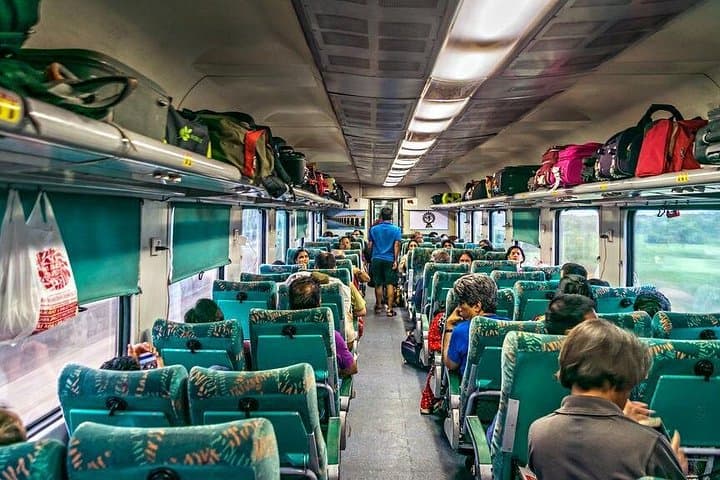
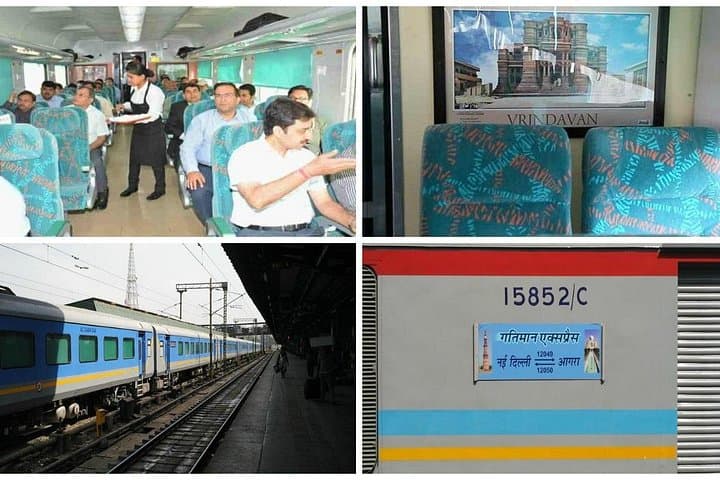
Practically: expect security checks and crowds; plan roughly two hours at the Taj, 45 minutes at Agra Fort, and time for a riverside view at the Baby Taj. The Gatimaan Express trip is air-conditioned with onboard meals, and a private car links stations and monuments, keeping transit efficient.
Bring a government ID or passport for train and monument checks, wear grippy walking shoes for uneven marble and courtyards, and schedule visits mid-morning or late afternoon to avoid the hottest sun. Hydrate and allow time for photography: these monuments reward a patient eye and steady feet.
easy.
12–14 hours.
Suitable for most fitness levels; involves moderate walking on flat and uneven surfaces for up to a few hours.
Entrance is included only if you choose the all-inclusive option; otherwise, entry fees may be charged on-site or arranged by your guide.
If Gatimaan seats are not available, the operator will book Shatabdi Express tickets as an alternative without changing the itinerary.
Yes—pickup from Delhi NCR hotels or the airport is typically provided; you’ll be asked to supply pickup details at booking.
The tour is classified as suitable for most fitness levels but includes stairs and uneven surfaces; it's not recommended for those with serious spinal, heart, or pregnancy-related restrictions.
The Taj Mahal was completed in the mid-17th century as an imperial mausoleum under Shah Jahan; Agra Fort predates it and functioned as a royal residence and military stronghold.
The Taj and surrounding monuments face preservation challenges from air pollution and riverine changes; conservation rules limit nearby construction and encourage controlled visitor flow to protect marble surfaces.
Indian Golden Triangle Tour operates guided outdoor trips and adventures with an emphasis on safety, stewardship, and memorable experiences.
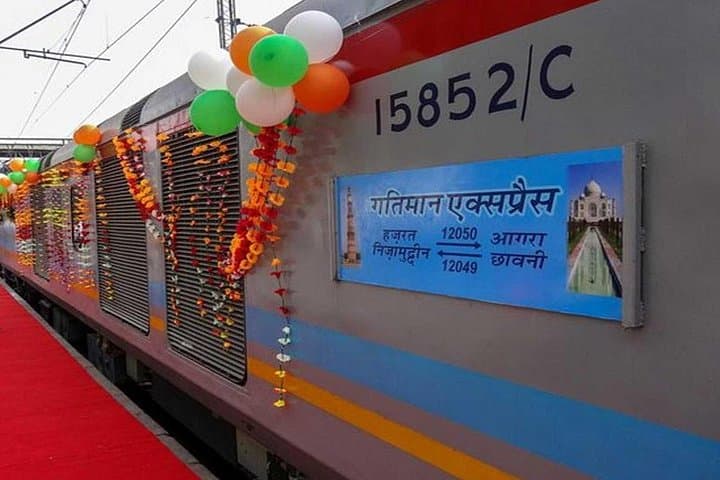
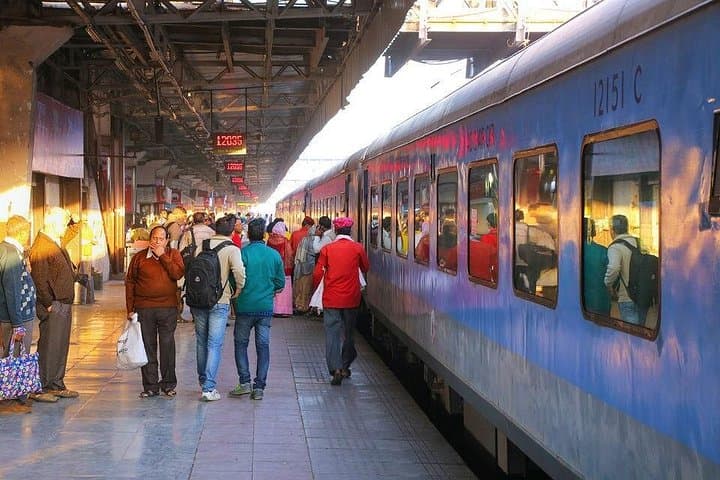
The morning begins at a Delhi platform: air hums with station announcements, the Gatimaan Express slides in, and the carriage promise of speed carries you toward Agra. By the time the train pulls into Agra Cantt, the Mughal skyline is already asserting itself—domes and ramparts cutting a clean silhouette against the sky.
The morning begins at a Delhi platform: air hums with station announcements, the Gatimaan Express slides in, and the carriage promise of speed carries you toward Agra. By the time the train pulls into Agra Cantt, the Mughal skyline is already asserting itself—domes and ramparts cutting a clean silhouette against the sky.
The Taj Mahal waits across manicured lawns and a wide reflecting pool. Built in the 17th century by Shah Jahan for Mumtaz Mahal, the mausoleum’s Makrana marble reads like living stone—smooth, veined, and changing tone with the sun. Nearby, Agra Fort offers a grittier chapter of Mughal politics: red sandstone bastions, pavilions, and the angled viewpoints from which emperors watched the river. The “Baby Taj” (Itimad-ud-Daulah) introduces pietra dura in miniature, its marble panels and inlaid florals a detail-driven counterpoint to the Taj’s monumentality. The Yamuna River runs along these sites, pushing a quiet edge to the city’s scenes as seasonal currents wash the banks.
Practically: expect security checks and crowds; plan roughly two hours at the Taj, 45 minutes at Agra Fort, and time for a riverside view at the Baby Taj. The Gatimaan Express trip is air-conditioned with onboard meals, and a private car links stations and monuments, keeping transit efficient.
Bring a government ID or passport for train and monument checks, wear grippy walking shoes for uneven marble and courtyards, and schedule visits mid-morning or late afternoon to avoid the hottest sun. Hydrate and allow time for photography: these monuments reward a patient eye and steady feet.