THE ADVENTURE COLLECTIVE® · Independent discovery and booking for outdoor travel

An all-day private drive from Delhi puts you at the feet of the Taj Mahal, Agra Fort, and Itmad-ud-Daulah with an expert guide and comfortable transport. This practical guide tells you what to expect, how to pace the day, and the small logistics that make the visit smooth.
An all-day private drive from Delhi puts you at the feet of the Taj Mahal, Agra Fort, and Itmad-ud-Daulah with an expert guide and comfortable transport. This practical guide tells you what to expect, how to pace the day, and the small logistics that make the visit smooth.
You leave Delhi before dawn, the city’s hum shrinking behind the car as the road unspools toward the plains. By mid-morning the Taj Mahal appears through a cool haze, its white marble catching light like a careful promise. The hush of the gardens, the slow ripple of the Yamuna daring you to look for the Taj’s reflection—this is the core of the day: architecture that asks to be walked around and read slowly.
Verified experiences and guided adventures in the surrounding area.
Operated by Gets Holiday India Tours · Agra, Uttar Pradesh
You leave Delhi before dawn, the city’s hum shrinking behind the car as the road unspools toward the plains. By mid-morning the Taj Mahal appears through a cool haze, its white marble catching light like a careful promise. The hush of the gardens, the slow ripple of the Yamuna daring you to look for the Taj’s reflection—this is the core of the day: architecture that asks to be walked around and read slowly.
This route threads Mughal history and imperial craft: Shah Jahan’s 17th-century mausoleum, the red-sandstone power of Agra Fort, and the delicate pietra dura of Itmad-ud-Daulah—an architectural prelude to the Taj. Geologically, the Gangetic plains give rise to broad, alluvial flats and the Yamuna’s seasonal moods; culturally, Agra is a layered city of markets, marble workshops, and Mughal-era gardens.
Expect guided access to primary monuments, time for photos, and a pause for a proper lunch in a reputable hotel. The day is long—road time between Delhi and Agra is significant—so pacing is part of the plan: early start, focused visits mid-morning, lighter walking in the heat of midday, and a return to Delhi by evening.
Practical notes: arrive with sun protection, carry small change for vendors and tips, and wear non-marking shoes for delicate marble floors. Keep water and rhythm; the tour is about timing and quiet observation as much as sightseeing.
easy.
10–14 hours.
Suitable for most fitness levels—requires standing and walking for several hours and tolerating a long car transit.
Some tour options include monument tickets; confirm when booking—if not included, your guide will advise on on-site ticket purchase and skip-the-line timings.
Typical road time is 3–4 hours each way depending on traffic and route; expect a full day with visits and lunch included.
Primary grounds and the surrounding gardens have accessible paths; specific mobility assistance and transportation should be requested in advance so operators can accommodate you.
Early morning provides softer light and fewer people; late afternoon can also offer warm tones but may be busier and affected by haze.
Agra was a Mughal political and cultural hub; the Taj (1632–1653) and Agra Fort (Akbar era) reflect successive phases of Mughal architecture.
Visitor volumes and air pollution have long-term impacts on marble—follow guide instructions, avoid touching inlaid surfaces, and support local conservation fees where directed.
Gets Holiday India Tours operates guided outdoor trips and adventures with an emphasis on safety, stewardship, and memorable experiences.
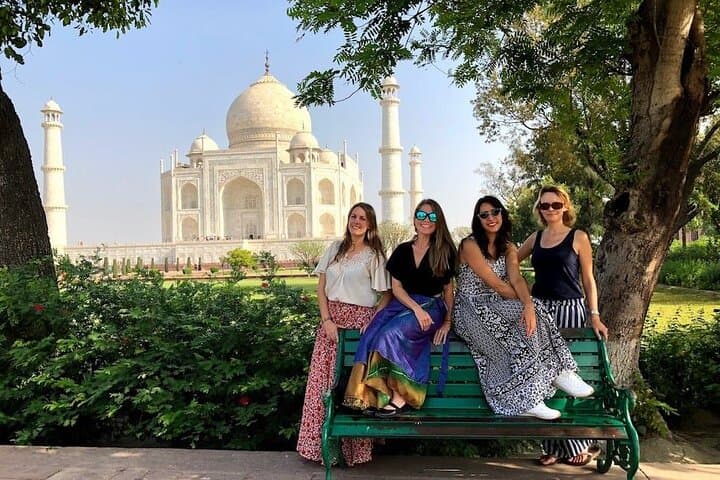
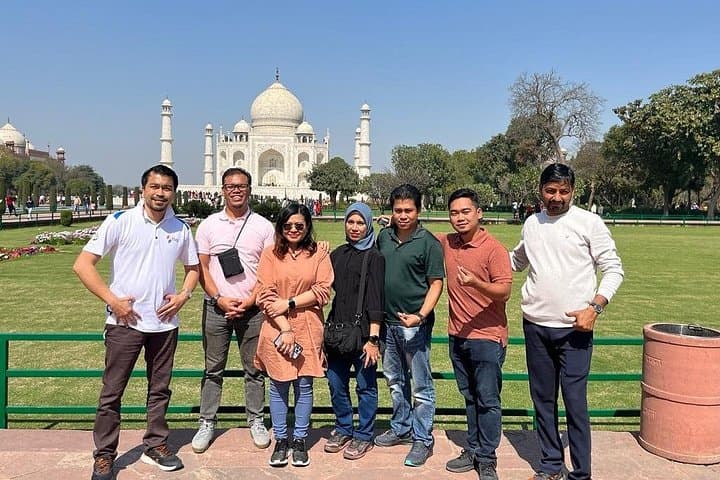


You leave Delhi before dawn, the city’s hum shrinking behind the car as the road unspools toward the plains. By mid-morning the Taj Mahal appears through a cool haze, its white marble catching light like a careful promise. The hush of the gardens, the slow ripple of the Yamuna daring you to look for the Taj’s reflection—this is the core of the day: architecture that asks to be walked around and read slowly.
You leave Delhi before dawn, the city’s hum shrinking behind the car as the road unspools toward the plains. By mid-morning the Taj Mahal appears through a cool haze, its white marble catching light like a careful promise. The hush of the gardens, the slow ripple of the Yamuna daring you to look for the Taj’s reflection—this is the core of the day: architecture that asks to be walked around and read slowly.
This route threads Mughal history and imperial craft: Shah Jahan’s 17th-century mausoleum, the red-sandstone power of Agra Fort, and the delicate pietra dura of Itmad-ud-Daulah—an architectural prelude to the Taj. Geologically, the Gangetic plains give rise to broad, alluvial flats and the Yamuna’s seasonal moods; culturally, Agra is a layered city of markets, marble workshops, and Mughal-era gardens.
Expect guided access to primary monuments, time for photos, and a pause for a proper lunch in a reputable hotel. The day is long—road time between Delhi and Agra is significant—so pacing is part of the plan: early start, focused visits mid-morning, lighter walking in the heat of midday, and a return to Delhi by evening.
Practical notes: arrive with sun protection, carry small change for vendors and tips, and wear non-marking shoes for delicate marble floors. Keep water and rhythm; the tour is about timing and quiet observation as much as sightseeing.