THE ADVENTURE COLLECTIVE® · Independent discovery and booking for outdoor travel

Board the Gatimaan Express from Delhi for a focused day in Agra: two hours at the Taj Mahal, a visit to Agra Fort and optional Baby Taj, all with a private guide and round-trip rail logistics handled.
Board the Gatimaan Express from Delhi for a focused day in Agra: two hours at the Taj Mahal, a visit to Agra Fort and optional Baby Taj, all with a private guide and round-trip rail logistics handled.
Morning light slices across the Yamuna as the Gatimaan Express races east from Delhi — within two hours the landscape flattens into the low plains of Uttar Pradesh and Agra’s domes appear on the horizon.
Verified experiences and guided adventures in the surrounding area.
Operated by The Vision Holidays · Agra, Uttar Pradesh
Morning light slices across the Yamuna as the Gatimaan Express races east from Delhi — within two hours the landscape flattens into the low plains of Uttar Pradesh and Agra’s domes appear on the horizon.
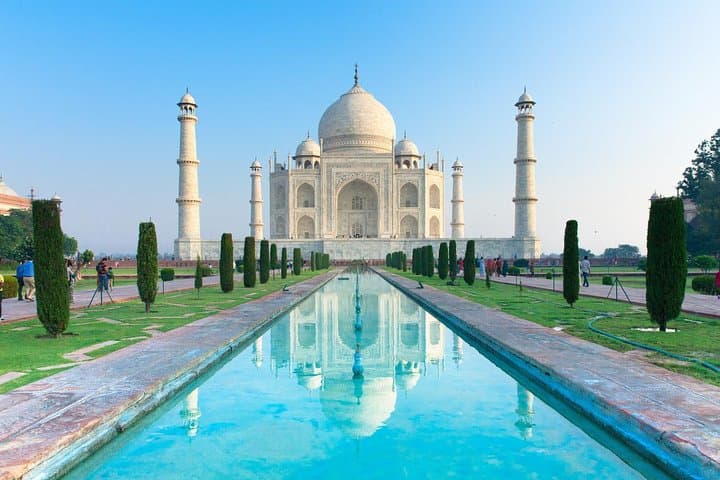
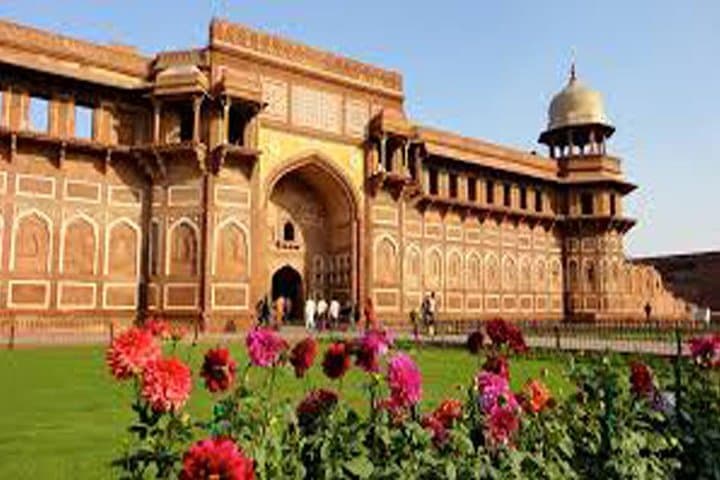
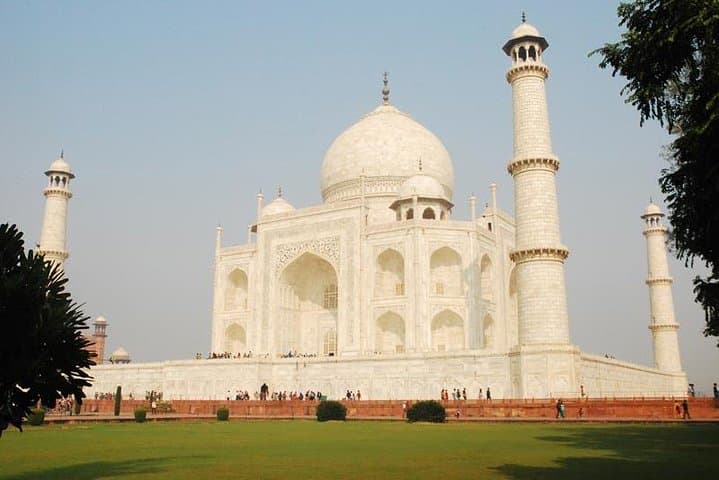
The heart of this day tour is the Taj Mahal, an ivory-marble mausoleum commissioned by Shah Jahan in the 17th century. Visitors move from the mausoleum’s reflective pools to the red-sandstone ramparts of Agra Fort, built earlier under Emperor Akbar, and may add Itmad-ud-Daulah (the “Baby Taj”), an intimate pietra dura tomb that prefigures later Mughal ornament. Geologically, the region is part of the Indo-Gangetic plain: alluvial soils, low elevation and the slow, steady flow of the Yamuna shape sightlines and vegetation.
Culture here is tactile — craftsmen in open workshops cut marble in geometric patterns and markets hum with snack stalls selling chaat and petha. Local guides explain architectural symbolism and practical details like why the Taj’s calligraphy appears proportionally altered when viewed from the garden.
Practical guidance: the tour is long but low-impact — expect multiple short walks, stairs and crowded viewpoints. Carry a government ID for train booking and entry, wear sun protection, and plan for security lines at each monument. Allow time at Mehtab Bagh for river views if you prefer quieter photos, and keep water on hand: summer heat can be intense. Trains depart and return the same day, so pack light and be prepared for a full day of walking and cultural immersion.
easy.
10–13 hours.
Suitable for travelers with basic fitness who can walk 2–4 miles on mostly flat ground with some stairs
The Gatimaan Express covers the route in roughly 1 hour 40 minutes to 2 hours, depending on schedule and station stops.
The Taj Mahal is closed on Fridays for prayers; plan your tour on another weekday or weekend day.
Some areas, such as primary viewing gardens and external ramps, are accessible, but internal sections and some historic stairs may be difficult; notify the operator to arrange assistance.
This tour is designed as light day travel; large luggage storage should be arranged separately at your Delhi hotel or at station storage facilities prior to departure.
Agra was a Mughal capital during the 16th–17th centuries; major structures like Agra Fort and the Taj reflect successive imperial styles and craftsmanship.
The Taj and Agra monuments face challenges from air pollution and visitor wear; follow signage, avoid touching marble, and use official paths to reduce impact.
The Vision Holidays operates guided outdoor trips and adventures with an emphasis on safety, stewardship, and memorable experiences.

Morning light slices across the Yamuna as the Gatimaan Express races east from Delhi — within two hours the landscape flattens into the low plains of Uttar Pradesh and Agra’s domes appear on the horizon.
Morning light slices across the Yamuna as the Gatimaan Express races east from Delhi — within two hours the landscape flattens into the low plains of Uttar Pradesh and Agra’s domes appear on the horizon.
The heart of this day tour is the Taj Mahal, an ivory-marble mausoleum commissioned by Shah Jahan in the 17th century. Visitors move from the mausoleum’s reflective pools to the red-sandstone ramparts of Agra Fort, built earlier under Emperor Akbar, and may add Itmad-ud-Daulah (the “Baby Taj”), an intimate pietra dura tomb that prefigures later Mughal ornament. Geologically, the region is part of the Indo-Gangetic plain: alluvial soils, low elevation and the slow, steady flow of the Yamuna shape sightlines and vegetation.
Culture here is tactile — craftsmen in open workshops cut marble in geometric patterns and markets hum with snack stalls selling chaat and petha. Local guides explain architectural symbolism and practical details like why the Taj’s calligraphy appears proportionally altered when viewed from the garden.
Practical guidance: the tour is long but low-impact — expect multiple short walks, stairs and crowded viewpoints. Carry a government ID for train booking and entry, wear sun protection, and plan for security lines at each monument. Allow time at Mehtab Bagh for river views if you prefer quieter photos, and keep water on hand: summer heat can be intense. Trains depart and return the same day, so pack light and be prepared for a full day of walking and cultural immersion.