THE ADVENTURE COLLECTIVE® · Independent discovery and booking for outdoor travel

A compact 48‑hour itinerary that pairs Agra’s iconic monuments with an early‑morning tiger safari in Ranthambore. Perfect for travelers who want intense cultural sights and a chance at Bengal tiger sightings on a short timeline.
A compact 48‑hour itinerary that pairs Agra’s iconic monuments with an early‑morning tiger safari in Ranthambore. Perfect for travelers who want intense cultural sights and a chance at Bengal tiger sightings on a short timeline.
Dawn over the Yamuna Expressway is a study in motion: bus headlights thread past fields, and the air tightens as the Taj Mahal’s white dome emerges against the pale sky. This two-day dash from Goa stitches Mughal masterpieces with the raw pulse of Ranthambore’s dry deciduous forests — marble and fortification followed by scrub, granite outcrops and the hunt for a tiger.
Verified experiences and guided adventures in the surrounding area.
Operated by Padma Holidays · Sawai Madhopur, Rajasthan
Dawn over the Yamuna Expressway is a study in motion: bus headlights thread past fields, and the air tightens as the Taj Mahal’s white dome emerges against the pale sky. This two-day dash from Goa stitches Mughal masterpieces with the raw pulse of Ranthambore’s dry deciduous forests — marble and fortification followed by scrub, granite outcrops and the hunt for a tiger.
Agra’s Taj Mahal and Agra Fort are late‑Mughal heirlooms: finely inlaid marble, red sandstone ramparts and the layered history of emperors and artisans. Geologically, the route moves from the alluvial plains around Agra into Rajasthan’s sandstone and Vindhyan formations; Ranthambore itself centers on an ancient fort set atop a rocky ridge that funnels wildlife into observable glades.
Culturally, expect Hindi and Rajasthani rhythms, roadside tiffin stalls, and checkpoint formalities around protected areas. Forest authorities appoint English‑speaking guides; safaris operate in shared jeeps or canters and sightings can’t be guaranteed — tigers roam on their terms.
Practical guidance: the itinerary is tight — prepare for an early‑morning safari, long drives (Agra to Ranthambore is ~6 hours), and basic hotel comfort if included. Bring binoculars, layered clothing for cool mornings, sun protection, and a small daypack for water and documents. Arrive at the safari boarding point at least 20 minutes early; follow park rules to avoid fines and disturbance to wildlife. Weather or park management can cancel safaris; travel insurance that covers activity changes is sensible. With a mix of architectural wonder and high-stakes wildlife viewing, the trip rewards travelers who relish tempo and variety.
moderate.
2 days.
Good enough to handle long vehicle transfers, early starts and short walks; not physically demanding but requires stamina for travel days.
No—tiger sightings depend on animal movements; the park assigns zones to improve chances but sightings cannot be guaranteed.
With the tour option the package includes one night in a 4‑star hotel; the base transfer-only option does not include lodging.
Safaris are early morning to increase wildlife activity and operate in shared jeeps or canters depending on availability and park allocations.
Yes—the National Park can cancel safaris due to bad weather, natural disasters, or operational reasons; policies vary and refunds are not guaranteed under the operator’s stated cancellation terms.
Agra’s monuments date to the Mughal empire of the 16th–17th centuries; Ranthambore’s fort has medieval origins and was a strategic hilltop stronghold.
Ranthambore is part of India’s Project Tiger network; follow park rules and use authorized operators to minimize disturbance and vehicle pressure on wildlife.
Padma Holidays operates guided outdoor trips and adventures with an emphasis on safety, stewardship, and memorable experiences.
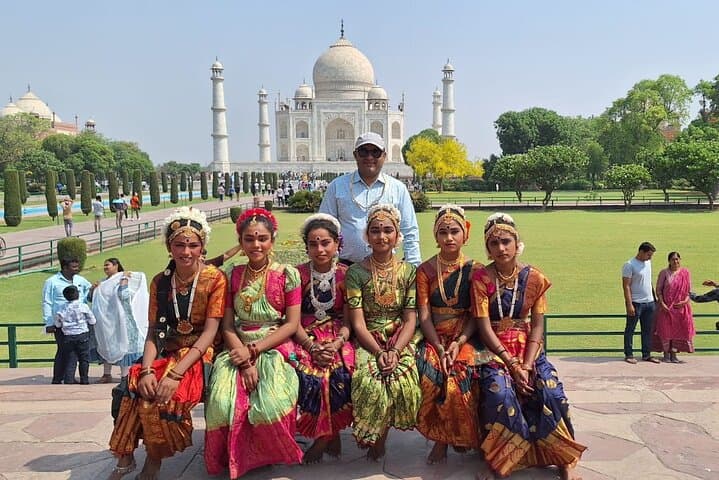

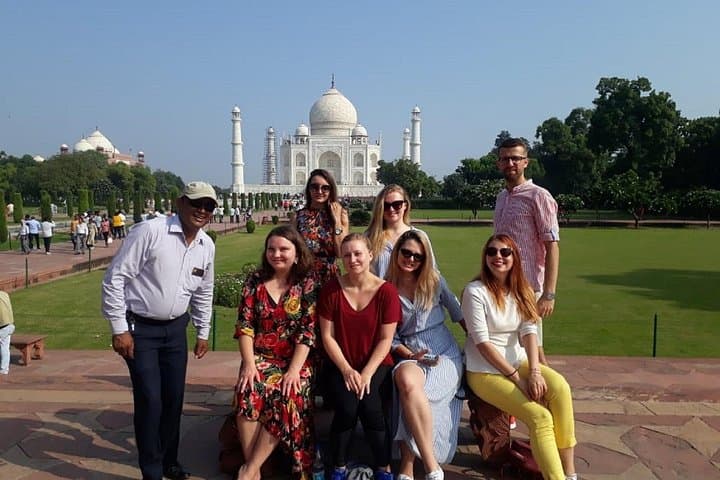

Dawn over the Yamuna Expressway is a study in motion: bus headlights thread past fields, and the air tightens as the Taj Mahal’s white dome emerges against the pale sky. This two-day dash from Goa stitches Mughal masterpieces with the raw pulse of Ranthambore’s dry deciduous forests — marble and fortification followed by scrub, granite outcrops and the hunt for a tiger.
Dawn over the Yamuna Expressway is a study in motion: bus headlights thread past fields, and the air tightens as the Taj Mahal’s white dome emerges against the pale sky. This two-day dash from Goa stitches Mughal masterpieces with the raw pulse of Ranthambore’s dry deciduous forests — marble and fortification followed by scrub, granite outcrops and the hunt for a tiger.
Agra’s Taj Mahal and Agra Fort are late‑Mughal heirlooms: finely inlaid marble, red sandstone ramparts and the layered history of emperors and artisans. Geologically, the route moves from the alluvial plains around Agra into Rajasthan’s sandstone and Vindhyan formations; Ranthambore itself centers on an ancient fort set atop a rocky ridge that funnels wildlife into observable glades.
Culturally, expect Hindi and Rajasthani rhythms, roadside tiffin stalls, and checkpoint formalities around protected areas. Forest authorities appoint English‑speaking guides; safaris operate in shared jeeps or canters and sightings can’t be guaranteed — tigers roam on their terms.
Practical guidance: the itinerary is tight — prepare for an early‑morning safari, long drives (Agra to Ranthambore is ~6 hours), and basic hotel comfort if included. Bring binoculars, layered clothing for cool mornings, sun protection, and a small daypack for water and documents. Arrive at the safari boarding point at least 20 minutes early; follow park rules to avoid fines and disturbance to wildlife. Weather or park management can cancel safaris; travel insurance that covers activity changes is sensible. With a mix of architectural wonder and high-stakes wildlife viewing, the trip rewards travelers who relish tempo and variety.