THE ADVENTURE COLLECTIVE® · Independent discovery and booking for outdoor travel

See the Taj Mahal, Agra Fort, and the Baby Taj in a single day on this guided transfer from Delhi. Early starts, modest dress, and tip-top timing make the visit smooth and richly informative.
See the Taj Mahal, Agra Fort, and the Baby Taj in a single day on this guided transfer from Delhi. Early starts, modest dress, and tip-top timing make the visit smooth and richly informative.
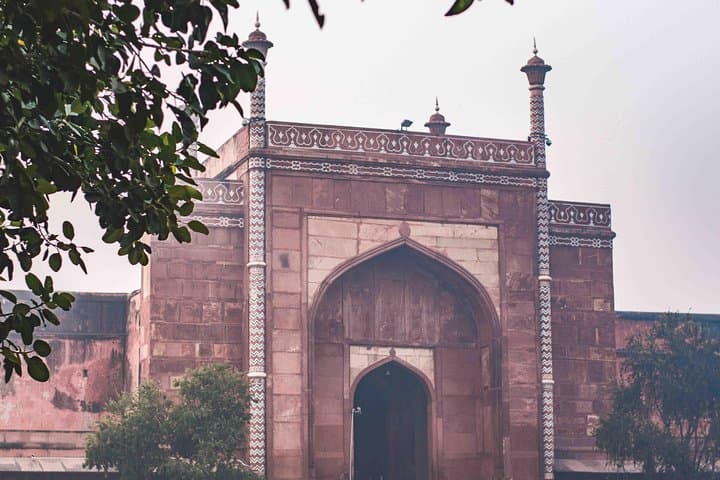
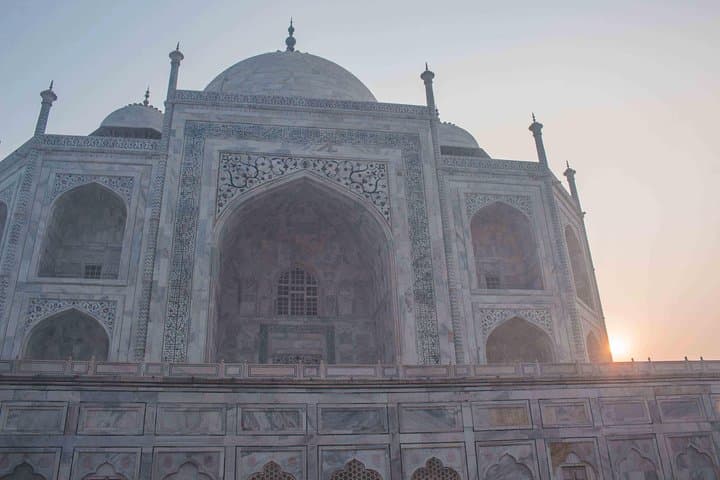
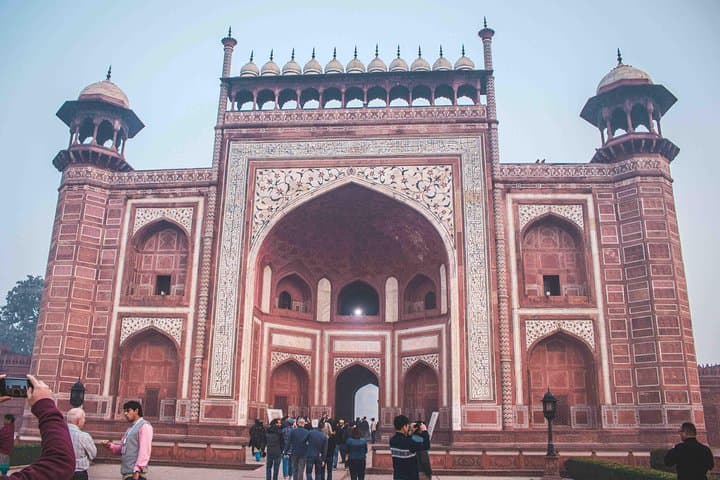
You step out of the car onto a stone-paved terrace and the Taj Mahal rises like a white promise across the lawn—its marble catching the early light while the Yamuna River quietly edges the city, daring you to look again.
Verified experiences and guided adventures in the surrounding area.
Operated by Go City Adventures · Agra, Uttar Pradesh
You step out of the car onto a stone-paved terrace and the Taj Mahal rises like a white promise across the lawn—its marble catching the early light while the Yamuna River quietly edges the city, daring you to look again.
Built in the 17th century by Shah Jahan as a mausoleum for Mumtaz Mahal, the Taj sits on the alluvial plains of the Ganges basin; its marble inlay and symmetrical gardens reflect Mughal aesthetics and the engineering ambition of the era. Nearby Agra Fort narrates later chapters of Mughal power, and the smaller, intricately carved Itmad-ud-Daulah (the “Baby Taj”) shows the decorative experiments that preceded the big mausoleum.
A day trip from Delhi compresses those stories into 10–11 hours: hotel pickup, highway transfer, guided walks through UNESCO sites, lunch at a local restaurant, and time for souvenir browsing. Expect paved pathways, broad courtyards, and moderate walking—stairs at the fort and restricted areas at the main mausoleum. Cultural norms are straightforward: dress modestly, remove shoes or use covers where required, and avoid visits on Friday when the Taj is closed for prayer.
Practical choices matter: arrive at dawn for softer light and fewer crowds; carry water, sun protection, and a camera with extra battery; plan for up to two hours at the Taj itself and about 75 minutes inside Agra Fort. The route between sites includes checkpoints and short transfers; your guide handles tickets and context so you can focus on the architecture and the river views. By evening you’ll be back in Delhi with a clearer sense of Mughal India and the small streets that keep Agra alive.
moderate.
10–11 hours.
Suitable for travelers who can handle several hours of walking and stair climbs at a relaxed pace
No—Taj Mahal is closed each Friday for congregational prayers; plan visits on other days.
Options vary, but this day trip typically includes entrance fees to monuments and hotel pickup/drop-off as described in the booking details.
Plan about 1.5–2 hours for the Taj grounds and main mausoleum to allow for photos and guided interpretation.
Tripods and drones are generally not permitted inside the Taj complex; handheld cameras and phones are fine—check with your guide for current rules.
Agra was a Mughal capital for centuries; Shah Jahan’s Taj Mahal (completed mid-1600s) reflects the empire’s peak in architecture and garden design.
The Taj is subject to conservation rules and pollution controls—visitors are urged to avoid litter, use designated paths, and support local preservation efforts.
Go City Adventures operates guided outdoor trips and adventures with an emphasis on safety, stewardship, and memorable experiences.

You step out of the car onto a stone-paved terrace and the Taj Mahal rises like a white promise across the lawn—its marble catching the early light while the Yamuna River quietly edges the city, daring you to look again.
You step out of the car onto a stone-paved terrace and the Taj Mahal rises like a white promise across the lawn—its marble catching the early light while the Yamuna River quietly edges the city, daring you to look again.
Built in the 17th century by Shah Jahan as a mausoleum for Mumtaz Mahal, the Taj sits on the alluvial plains of the Ganges basin; its marble inlay and symmetrical gardens reflect Mughal aesthetics and the engineering ambition of the era. Nearby Agra Fort narrates later chapters of Mughal power, and the smaller, intricately carved Itmad-ud-Daulah (the “Baby Taj”) shows the decorative experiments that preceded the big mausoleum.
A day trip from Delhi compresses those stories into 10–11 hours: hotel pickup, highway transfer, guided walks through UNESCO sites, lunch at a local restaurant, and time for souvenir browsing. Expect paved pathways, broad courtyards, and moderate walking—stairs at the fort and restricted areas at the main mausoleum. Cultural norms are straightforward: dress modestly, remove shoes or use covers where required, and avoid visits on Friday when the Taj is closed for prayer.
Practical choices matter: arrive at dawn for softer light and fewer crowds; carry water, sun protection, and a camera with extra battery; plan for up to two hours at the Taj itself and about 75 minutes inside Agra Fort. The route between sites includes checkpoints and short transfers; your guide handles tickets and context so you can focus on the architecture and the river views. By evening you’ll be back in Delhi with a clearer sense of Mughal India and the small streets that keep Agra alive.