THE ADVENTURE COLLECTIVE® · Independent discovery and booking for outdoor travel

Explore the Taj Mahal and Agra Fort from the low hum of an e‑rickshaw. This full‑day tour pairs sunrise marble views with market strolls and local street food—ideal for travelers who want cultural depth without long walks.
Explore the Taj Mahal and Agra Fort from the low hum of an e‑rickshaw. This full‑day tour pairs sunrise marble views with market strolls and local street food—ideal for travelers who want cultural depth without long walks.
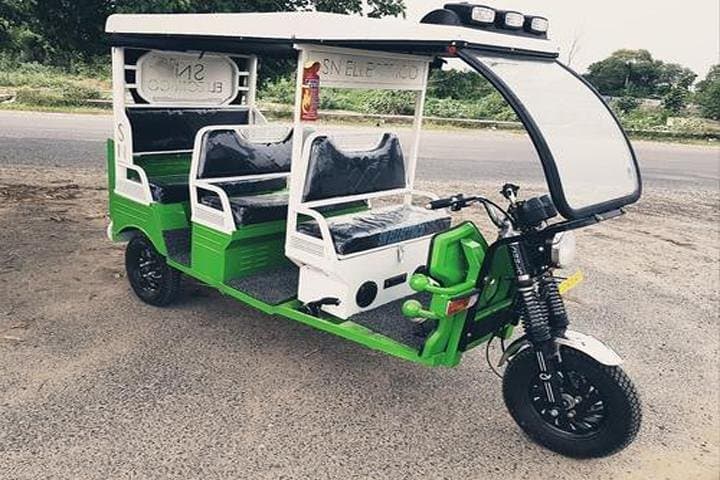
You pull away from a narrow Agra lane on a three-wheeled e‑rickshaw as dawn softens the city. The Yamuna’s current nudges the silhouette of the white mausoleum into relief; the battery hum under your seat keeps the rhythm steady while narrow streets open into plazas and spice-scented markets.
Verified experiences and guided adventures in the surrounding area.
Operated by SKG Trips · Agra, Uttar Pradesh
You pull away from a narrow Agra lane on a three-wheeled e‑rickshaw as dawn softens the city. The Yamuna’s current nudges the silhouette of the white mausoleum into relief; the battery hum under your seat keeps the rhythm steady while narrow streets open into plazas and spice-scented markets.
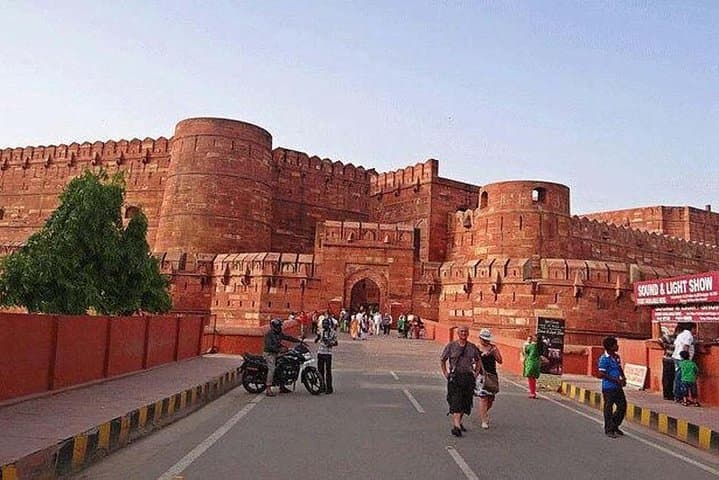
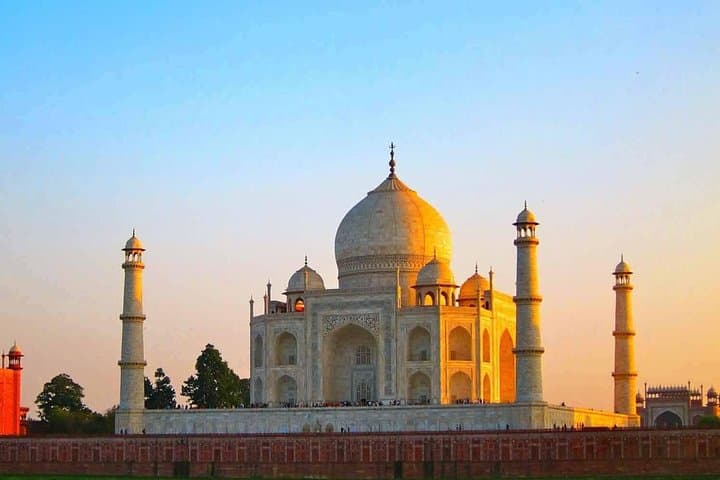
The day centers on two Mughal masterpieces: the Taj Mahal, Shah Jahan’s 17th‑century marble cenotaph built for Mumtaz Mahal, and Agra Fort, an earlier red‑sandstone stronghold begun under Akbar. Geology here is subtle—the Taj’s Makrana marble gleams thanks to river‑deposited minerals, and the Yamuna floodplain shapes the city’s low terraces. Agra’s culture is unapologetically practical: craftsmen carving pietra dura, vendors selling petha sweets, and markets where voices bargain over cloth and metalwork.
Transitioning from history to logistics, the e‑rickshaw tour is designed for short walking bursts between sights and local tasting stops. Expect security screening at the Taj, pockets of shade and sun in the fort, and crowded bazaars best explored with a guide. Practical tips: start early to avoid heat and crowds, carry ID for ticketing, and keep water and sun protection handy. Photography is allowed but follow guards’ instructions; tripods and large bags may be restricted. The ride itself is gentle—an efficient, low‑impact way to move through Agra’s lanes while leaving a small footprint.
This full‑day loop balances monument time with local flavor: bring comfortable shoes, patience for queues, and a readiness to step into the pulse of a working Mughal city.
easy.
4–5 hours.
Suitable for most fitness levels; involves short walks and standing during security and monument viewing.
No—this tour typically does not include monument admission; purchase tickets online or at the gate before arrival.
The itinerary runs about 4–5 hours, with roughly 1–2 hours at the Taj and a similar span at Agra Fort, plus transfers and market time.
Pickup and drop-off within Agra are included per the listing; confirm your pickup point and arrival time when booking.
The operator advises it is not recommended for pregnant travelers or those with serious spinal or cardiovascular conditions due to walking and security checks.
The Taj Mahal was commissioned in 1632 by Shah Jahan; Agra Fort predates it and was expanded under Emperor Akbar in the late 16th century.
Air quality and visitor numbers are ongoing concerns; follow local guidance, avoid littering, and use designated pathways to reduce wear on historic sites.
SKG Trips operates guided outdoor trips and adventures with an emphasis on safety, stewardship, and memorable experiences.
You pull away from a narrow Agra lane on a three-wheeled e‑rickshaw as dawn softens the city. The Yamuna’s current nudges the silhouette of the white mausoleum into relief; the battery hum under your seat keeps the rhythm steady while narrow streets open into plazas and spice-scented markets.
You pull away from a narrow Agra lane on a three-wheeled e‑rickshaw as dawn softens the city. The Yamuna’s current nudges the silhouette of the white mausoleum into relief; the battery hum under your seat keeps the rhythm steady while narrow streets open into plazas and spice-scented markets.
The day centers on two Mughal masterpieces: the Taj Mahal, Shah Jahan’s 17th‑century marble cenotaph built for Mumtaz Mahal, and Agra Fort, an earlier red‑sandstone stronghold begun under Akbar. Geology here is subtle—the Taj’s Makrana marble gleams thanks to river‑deposited minerals, and the Yamuna floodplain shapes the city’s low terraces. Agra’s culture is unapologetically practical: craftsmen carving pietra dura, vendors selling petha sweets, and markets where voices bargain over cloth and metalwork.
Transitioning from history to logistics, the e‑rickshaw tour is designed for short walking bursts between sights and local tasting stops. Expect security screening at the Taj, pockets of shade and sun in the fort, and crowded bazaars best explored with a guide. Practical tips: start early to avoid heat and crowds, carry ID for ticketing, and keep water and sun protection handy. Photography is allowed but follow guards’ instructions; tripods and large bags may be restricted. The ride itself is gentle—an efficient, low‑impact way to move through Agra’s lanes while leaving a small footprint.
This full‑day loop balances monument time with local flavor: bring comfortable shoes, patience for queues, and a readiness to step into the pulse of a working Mughal city.