THE ADVENTURE COLLECTIVE® · Independent discovery and booking for outdoor travel

Ascend Taipei 101 in under a minute and trade street-level detail for sweeping urban panorama. This timed observatory ticket covers the 88–89F indoor decks and, weather permitting, the 91F outdoor sky deck—great for sunset views and quick, high-altitude photo ops.
Ascend Taipei 101 in under a minute and trade street-level detail for sweeping urban panorama. This timed observatory ticket covers the 88–89F indoor decks and, weather permitting, the 91F outdoor sky deck—great for sunset views and quick, high-altitude photo ops.
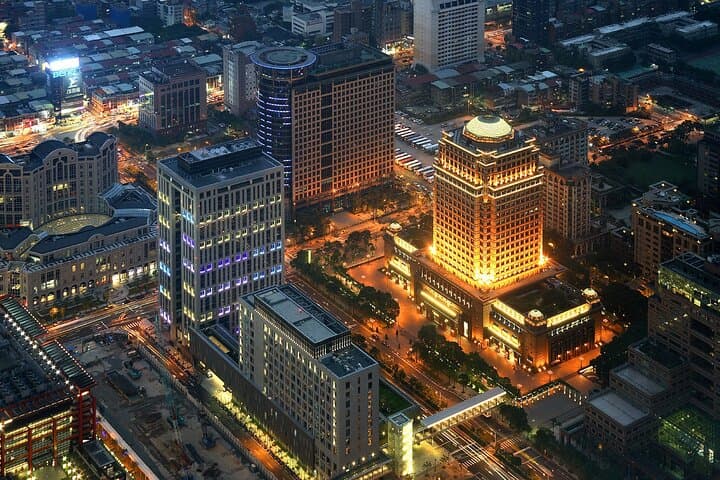
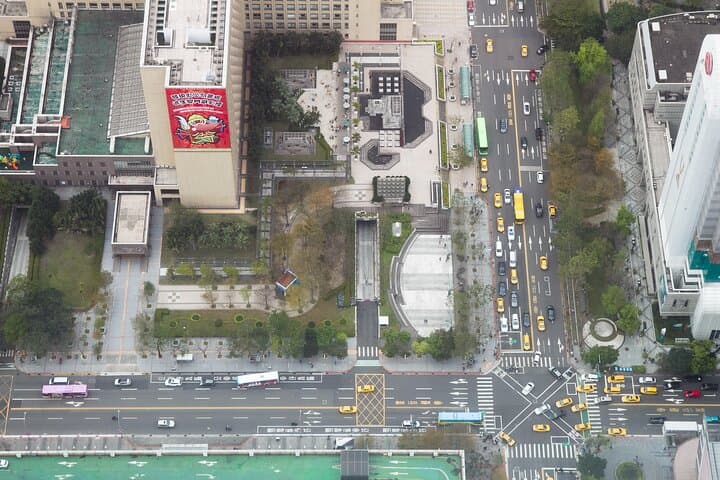
Stepping out of the elevator feels like arriving on a small, elevated city: glass, polished steel and a breath that belongs to the skyline. In less than a minute one rises from the Xinyi shopping district to the 89th-floor observatory, where the city fans outward in blocks, rivers and mountain ridgelines. The 91st-floor outdoor deck, when open, lets the wind push and pull at your jacket as Taipei’s grid unfolds beneath.
Verified experiences and guided adventures in the surrounding area.
Operated by Trevopedia Wonders · Taipei, Taipei City
Stepping out of the elevator feels like arriving on a small, elevated city: glass, polished steel and a breath that belongs to the skyline. In less than a minute one rises from the Xinyi shopping district to the 89th-floor observatory, where the city fans outward in blocks, rivers and mountain ridgelines. The 91st-floor outdoor deck, when open, lets the wind push and pull at your jacket as Taipei’s grid unfolds beneath.
Completed in 2004 and designed by C.Y. Lee, Taipei 101 was the world’s tallest building until 2010; its stacked form borrows the modular rhythm of bamboo, an architectural nod to resilience. Deep in the tower, the tuned mass damper—an engineering counterweight—quietly stabilizes the shaft during storms and is on view to curious visitors. The building sits at the eastern edge of Taipei Basin, where geology and urban growth meet: lowland river terraces give way to forested hills to the east.
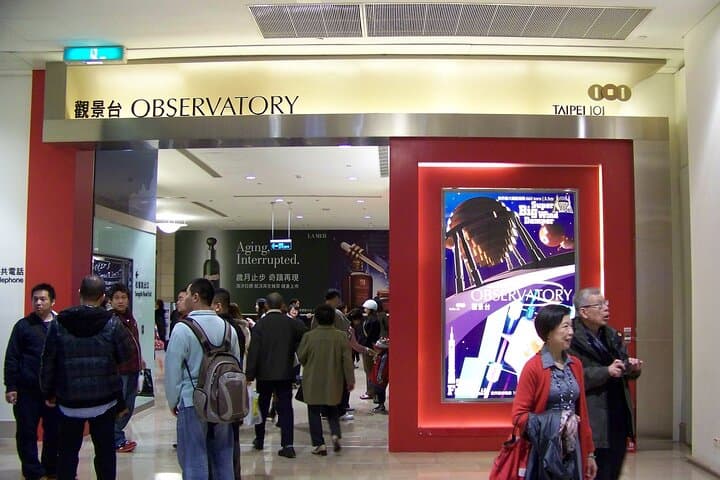
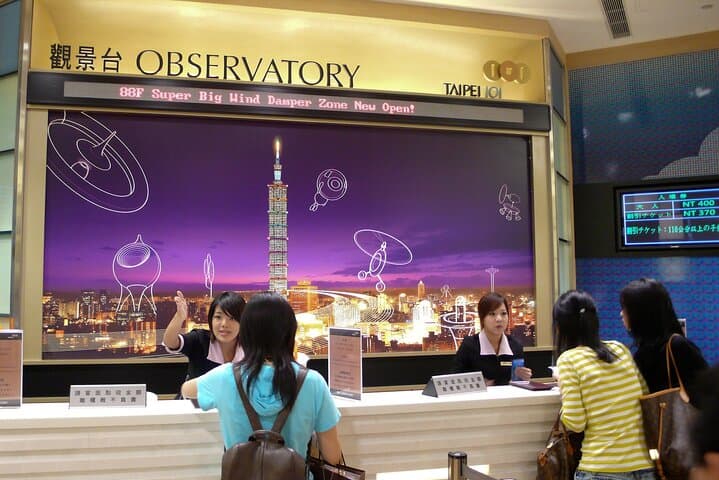
Expect a concise visit: rapid elevator ride, panoramic indoor viewing on 88–89F with interpretive displays, an outdoor platform on 91F when weather allows, and a souvenir shop to close the loop. Practicalities matter: arrive at the Skyline Entrance on the 5th floor with your QR code, plan for security lines at peak times, and check weather reports—rain or high winds can close the outdoor deck without notice. For photos, aim for golden hour but allow extra time for queues. The observatory is wheelchair accessible and family friendly; children under 115 cm enter free with an adult. With short duration and big views, this is a concise urban high-point that pairs well with a sunset hike up nearby Elephant Mountain or an evening in Xinyi’s food stalls.
easy.
30–45 minutes.
No particular fitness required; accessible to most visitors including families and seniors.
No; this ticket covers the 88F and 89F indoor observatories and the 91F outdoor deck when open—access to the 101st floor is excluded.
Yes—scan the QR code at the Skyline Entrance on the 5th floor; if you arrive more than 30 minutes late you may need to redeem a physical ticket at the counter.
No—the 91st-floor outdoor observatory closes during rain, high winds or unsafe conditions; check weather and building notices before arrival.
Yes—the observatory areas and public transport access are wheelchair and stroller friendly; infants under 115 cm enter free but must be accompanied by an adult.
Completed in 2004 and designed by architect C.Y. Lee, Taipei 101 was the world’s tallest building until 2010 and incorporates motifs inspired by bamboo sections.
Taipei 101 received LEED Platinum certification in recognition of building-wide energy-efficiency and sustainability measures; management continues programs to reduce energy use and waste.
Trevopedia Wonders operates guided outdoor trips and adventures with an emphasis on safety, stewardship, and memorable experiences.
Stepping out of the elevator feels like arriving on a small, elevated city: glass, polished steel and a breath that belongs to the skyline. In less than a minute one rises from the Xinyi shopping district to the 89th-floor observatory, where the city fans outward in blocks, rivers and mountain ridgelines. The 91st-floor outdoor deck, when open, lets the wind push and pull at your jacket as Taipei’s grid unfolds beneath.
Stepping out of the elevator feels like arriving on a small, elevated city: glass, polished steel and a breath that belongs to the skyline. In less than a minute one rises from the Xinyi shopping district to the 89th-floor observatory, where the city fans outward in blocks, rivers and mountain ridgelines. The 91st-floor outdoor deck, when open, lets the wind push and pull at your jacket as Taipei’s grid unfolds beneath.
Completed in 2004 and designed by C.Y. Lee, Taipei 101 was the world’s tallest building until 2010; its stacked form borrows the modular rhythm of bamboo, an architectural nod to resilience. Deep in the tower, the tuned mass damper—an engineering counterweight—quietly stabilizes the shaft during storms and is on view to curious visitors. The building sits at the eastern edge of Taipei Basin, where geology and urban growth meet: lowland river terraces give way to forested hills to the east.
Expect a concise visit: rapid elevator ride, panoramic indoor viewing on 88–89F with interpretive displays, an outdoor platform on 91F when weather allows, and a souvenir shop to close the loop. Practicalities matter: arrive at the Skyline Entrance on the 5th floor with your QR code, plan for security lines at peak times, and check weather reports—rain or high winds can close the outdoor deck without notice. For photos, aim for golden hour but allow extra time for queues. The observatory is wheelchair accessible and family friendly; children under 115 cm enter free with an adult. With short duration and big views, this is a concise urban high-point that pairs well with a sunset hike up nearby Elephant Mountain or an evening in Xinyi’s food stalls.