THE ADVENTURE COLLECTIVE® · Independent discovery and booking for outdoor travel

Board a 28-foot boat from Paea for a four-hour small-group whale safari along Tahiti’s quieter coast. Guides follow DIREN approach rules and may permit supervised water entries when conditions and whale behavior allow.
Board a 28-foot boat from Paea for a four-hour small-group whale safari along Tahiti’s quieter coast. Guides follow DIREN approach rules and may permit supervised water entries when conditions and whale behavior allow.
The bow cuts through glassy lagoon water as the shore of Paea slides aft, palms leaning like curious onlookers. You feel the boat settle into open ocean; ahead the guides scan for blow, tail, and the low, sonorous calls that mean a humpback is nearby.
Verified experiences and guided adventures in the surrounding area.
Operated by Mobydick Tahiti · Paea, Tahiti
The bow cuts through glassy lagoon water as the shore of Paea slides aft, palms leaning like curious onlookers. You feel the boat settle into open ocean; ahead the guides scan for blow, tail, and the low, sonorous calls that mean a humpback is nearby.
Paea and neighboring Papara sit on Tahiti’s leeward flank — volcanic highlands giving way to shallow reef shelves and black-sand beaches. Humpback whales migrate into French Polynesian waters each austral winter to breed and calve, and local knowledge combined with simple hydrophones makes this stretch a quieter place to watch them than busier ports.
The outing runs about four hours aboard the Stenella, a 28-foot modern vessel configured for small groups. Guides operate under DIREN approach rules: distance, controlled water entries, and a strict no-chase ethic. If conditions permit and the guide authorizes it, swimmers (minimum 200 m capability with fins) may enter under supervision; children under 10 are not permitted to swim.
Expect variable weather and a salt-scrubbed wind that can shift fast; rudimentary facilities mean you board as-is. Bring reef-safe sunscreen, layered protection, and something for seasickness if you’re prone. Snorkel gear is provided if you need it.
This is wildlife watching — sightings are never guaranteed — and the experience rewards patience, quiet observation, and respect. For travelers who want intimate encounters with humpbacks without large crowds, a Paea-based small-boat safari balances thrill and stewardship.
easy.
4 hours.
Moderate — boat time requires minimal exertion, but swimmers must be able to swim 200 m with fins in open water.
No — these are wild animals and sightings depend on migration patterns and sea conditions; guides seek likely areas but cannot promise encounters.
Swimming is allowed only when the guide authorizes it and conditions permit; swimmers must be able to swim 200 m with fins, and children under 10 cannot enter the water.
Yes — snorkeling equipment is available on board if you don’t bring your own.
Tours can be canceled for safety or poor conditions; the operator may reschedule or refund according to their policy, but many bookings are final so confirm before you travel.
Tahiti’s coastlines have long been traversed by Polynesian voyagers; modern whale conservation in French Polynesia has grown alongside scientific study and local stewardship.
Operators follow DIREN approach guidelines: maintain distance, limit water entries, and prioritize animal welfare to reduce stress and long-term disturbance.
Mobydick Tahiti operates guided outdoor trips and adventures with an emphasis on safety, stewardship, and memorable experiences.
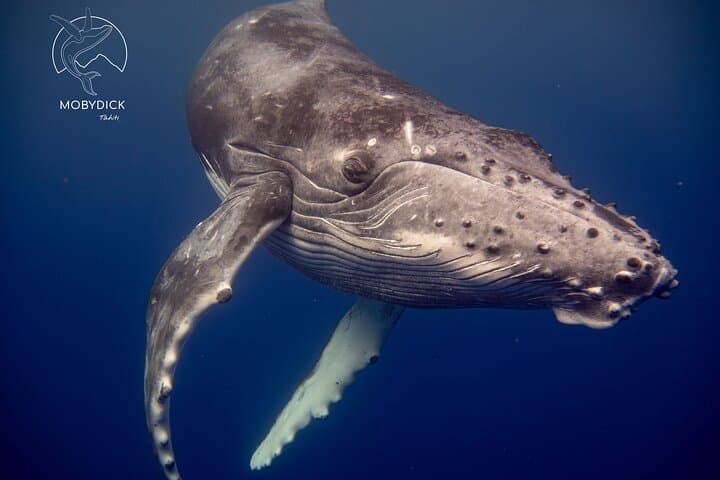
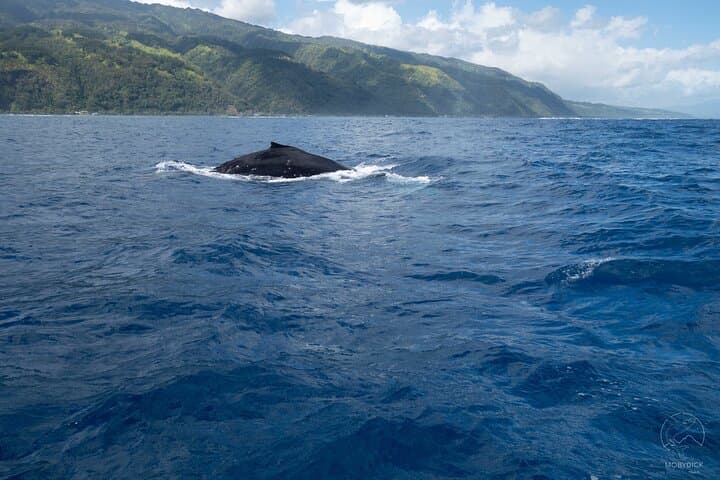
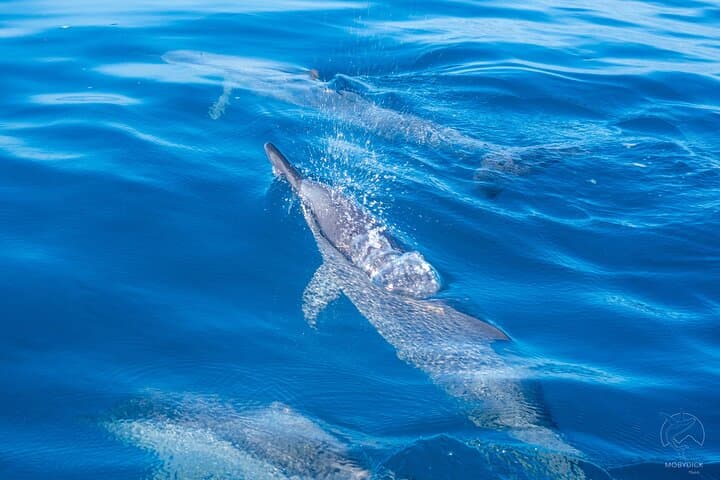
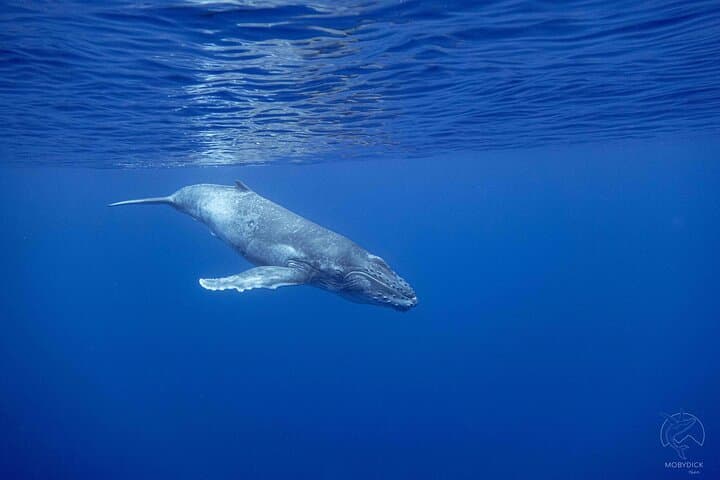
The bow cuts through glassy lagoon water as the shore of Paea slides aft, palms leaning like curious onlookers. You feel the boat settle into open ocean; ahead the guides scan for blow, tail, and the low, sonorous calls that mean a humpback is nearby.
The bow cuts through glassy lagoon water as the shore of Paea slides aft, palms leaning like curious onlookers. You feel the boat settle into open ocean; ahead the guides scan for blow, tail, and the low, sonorous calls that mean a humpback is nearby.
Paea and neighboring Papara sit on Tahiti’s leeward flank — volcanic highlands giving way to shallow reef shelves and black-sand beaches. Humpback whales migrate into French Polynesian waters each austral winter to breed and calve, and local knowledge combined with simple hydrophones makes this stretch a quieter place to watch them than busier ports.
The outing runs about four hours aboard the Stenella, a 28-foot modern vessel configured for small groups. Guides operate under DIREN approach rules: distance, controlled water entries, and a strict no-chase ethic. If conditions permit and the guide authorizes it, swimmers (minimum 200 m capability with fins) may enter under supervision; children under 10 are not permitted to swim.
Expect variable weather and a salt-scrubbed wind that can shift fast; rudimentary facilities mean you board as-is. Bring reef-safe sunscreen, layered protection, and something for seasickness if you’re prone. Snorkel gear is provided if you need it.
This is wildlife watching — sightings are never guaranteed — and the experience rewards patience, quiet observation, and respect. For travelers who want intimate encounters with humpbacks without large crowds, a Paea-based small-boat safari balances thrill and stewardship.