THE ADVENTURE COLLECTIVE® · Independent discovery and booking for outdoor travel

Board a small, expert-led boat from Papeete for a focused three-hour whale-watching and snorkel experience. Operated during humpback season (Aug–Nov), the trip emphasizes close, respectful encounters with professional guides and full snorkel gear provided.
Board a small, expert-led boat from Papeete for a focused three-hour whale-watching and snorkel experience. Operated during humpback season (Aug–Nov), the trip emphasizes close, respectful encounters with professional guides and full snorkel gear provided.
Dawn breaks over Papeete Harbor and the boat slips into a glassy blue that seems to hold its breath. Out beyond the reef, the water begins to move: distant spouts, then the broad backs of humpbacks rolling and angling as if inspecting the visitors. The air smells faintly of salt and diesel; the captain speaks in calm, practiced cadence while the guide points toward the next rising whale.
Verified experiences and guided adventures in the surrounding area.
Operated by Eleuthera Tahiti Diving Center · Papeete, Tahiti
Dawn breaks over Papeete Harbor and the boat slips into a glassy blue that seems to hold its breath. Out beyond the reef, the water begins to move: distant spouts, then the broad backs of humpbacks rolling and angling as if inspecting the visitors. The air smells faintly of salt and diesel; the captain speaks in calm, practiced cadence while the guide points toward the next rising whale.
Humpback whales migrate to Tahitian lagoons each austral winter and spring to breed and calve. Polynesian seafaring traditions long respected these seasonal visitors, and modern guides combine that cultural knowledge with decades of field experience. Geologically, Tahiti’s volcanic slopes drop quickly to deeper ocean channels close to shore, which helps migrating whales approach shallow, protected waters.
This small-group excursion runs August through mid-November and typically lasts about three hours. Boats make two daily departures and carry a maximum of eight in the shared tour; up to six swimmers may enter the water under guide supervision. Operators supply neoprene suits, fins, masks and snorkels; light snacks and soft drinks are provided. Expect brief zodiac transfers, careful approach procedures, and clear briefings on respectful distance and whale behavior.
Practical tips: time your trip for morning calm, use reef-safe sunscreen, and bring a waterproof camera with a wrist strap. If prone to seasickness, take preventive measures before boarding. The experience is observational first—watching breaching, tail slaps and maternal pairs—and occasional guided snorkel interactions when conditions and permits allow. For travelers who want close, ethical encounters in low-density groups, this Tahiti outing balances spectacle with safety and conservation-minded practice.
easy.
3 hours.
Suitable for most fitness levels; requires basic swimming ability for optional snorkel segments
The reliable season runs roughly from early August to mid-November, with peak activity in late August–October.
No — basic swimming and comfort in shallow open water suffice; guides limit in-water groups and provide neoprene suits, fins and masks.
No — sightings depend on whale movements and weather; operators follow strict approach and safety rules, and snorkel opportunities occur only when conditions and permits allow.
Many operators offer transfers from Papeete-area hotels on request; confirm pickup details when booking.
Humpback migration to Tahitian waters has been observed for generations and features in local oral histories; modern guided tours blend scientific practice with cultural respect.
Operators follow national guidelines to minimize disturbance during breeding season; visitors are encouraged to use reef-safe products and follow on-board briefings to protect marine habitats.
Eleuthera Tahiti Diving Center operates guided outdoor trips and adventures with an emphasis on safety, stewardship, and memorable experiences.
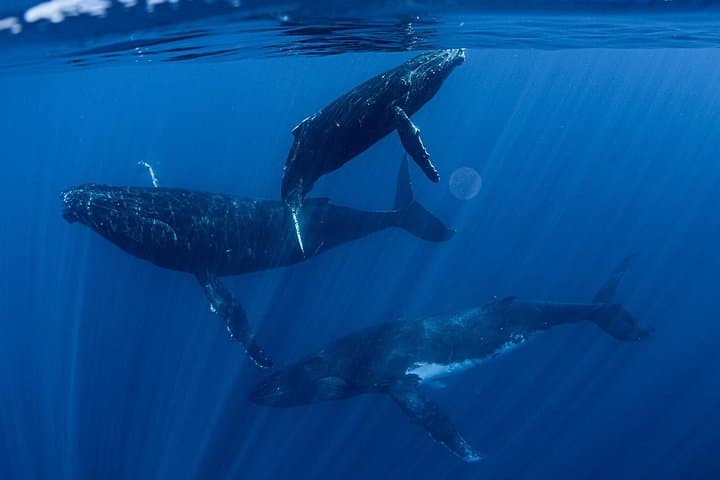
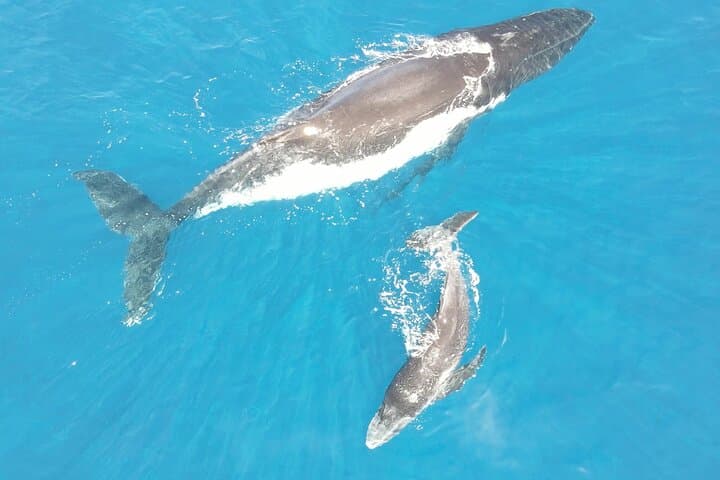
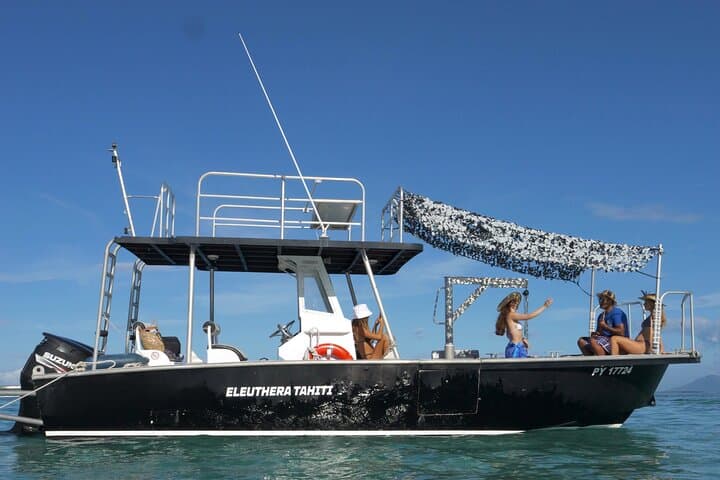
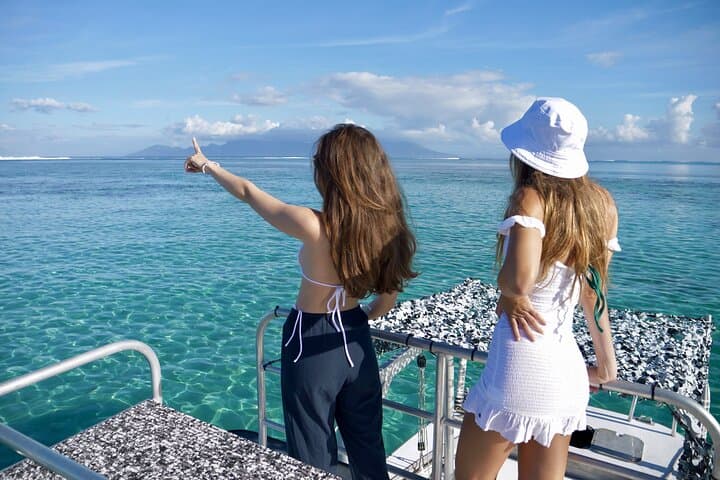
Dawn breaks over Papeete Harbor and the boat slips into a glassy blue that seems to hold its breath. Out beyond the reef, the water begins to move: distant spouts, then the broad backs of humpbacks rolling and angling as if inspecting the visitors. The air smells faintly of salt and diesel; the captain speaks in calm, practiced cadence while the guide points toward the next rising whale.
Dawn breaks over Papeete Harbor and the boat slips into a glassy blue that seems to hold its breath. Out beyond the reef, the water begins to move: distant spouts, then the broad backs of humpbacks rolling and angling as if inspecting the visitors. The air smells faintly of salt and diesel; the captain speaks in calm, practiced cadence while the guide points toward the next rising whale.
Humpback whales migrate to Tahitian lagoons each austral winter and spring to breed and calve. Polynesian seafaring traditions long respected these seasonal visitors, and modern guides combine that cultural knowledge with decades of field experience. Geologically, Tahiti’s volcanic slopes drop quickly to deeper ocean channels close to shore, which helps migrating whales approach shallow, protected waters.
This small-group excursion runs August through mid-November and typically lasts about three hours. Boats make two daily departures and carry a maximum of eight in the shared tour; up to six swimmers may enter the water under guide supervision. Operators supply neoprene suits, fins, masks and snorkels; light snacks and soft drinks are provided. Expect brief zodiac transfers, careful approach procedures, and clear briefings on respectful distance and whale behavior.
Practical tips: time your trip for morning calm, use reef-safe sunscreen, and bring a waterproof camera with a wrist strap. If prone to seasickness, take preventive measures before boarding. The experience is observational first—watching breaching, tail slaps and maternal pairs—and occasional guided snorkel interactions when conditions and permits allow. For travelers who want close, ethical encounters in low-density groups, this Tahiti outing balances spectacle with safety and conservation-minded practice.