THE ADVENTURE COLLECTIVE® · Independent discovery and booking for outdoor travel

Head offshore from Papeete for a focused humpback encounter between August and October. This small-group boat tour offers optimal viewing and, when conditions permit, supervised in-water experiences with the whales.
Head offshore from Papeete for a focused humpback encounter between August and October. This small-group boat tour offers optimal viewing and, when conditions permit, supervised in-water experiences with the whales.
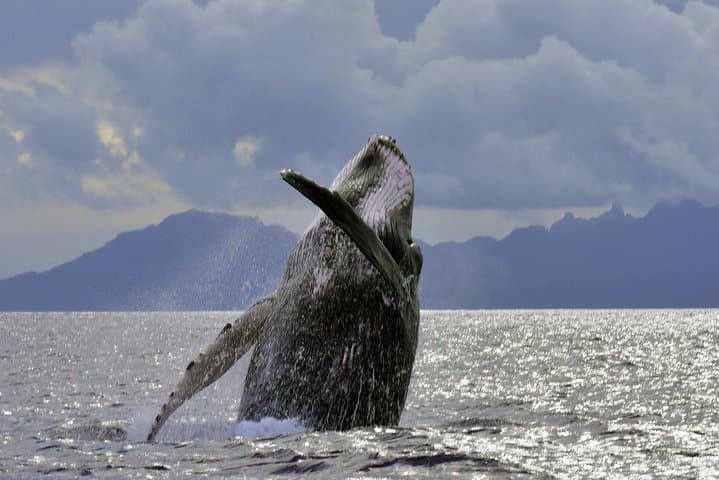
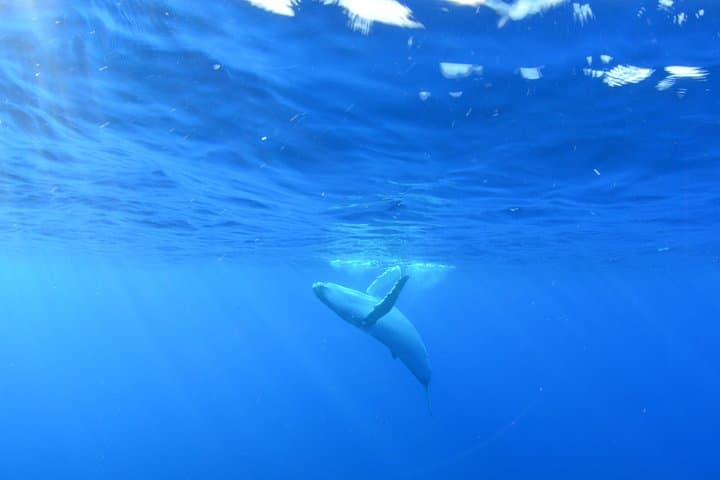
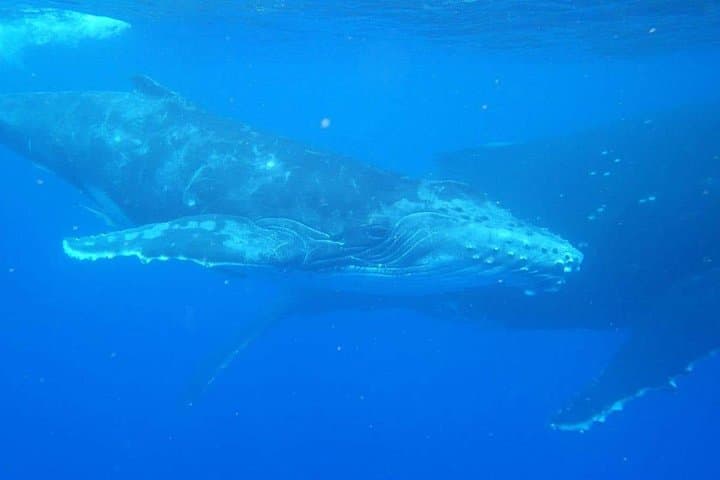
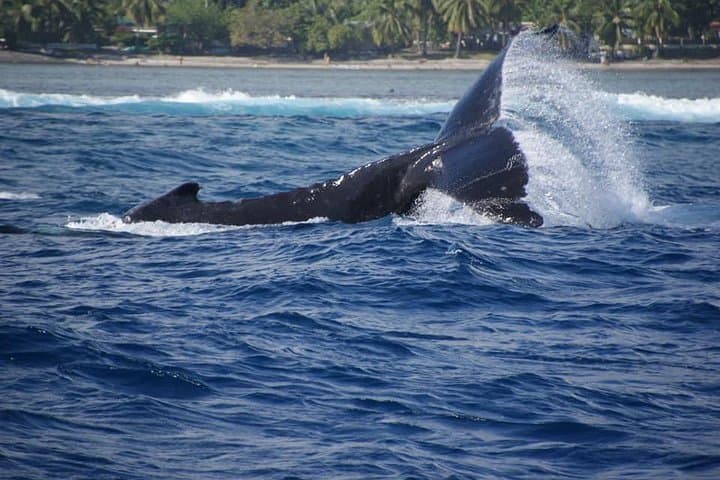
The Pacific opens ahead in a broad sheet of blue; wind lifts spray and the 32-foot boat cuts toward the distant blows. Onboard, passengers tighten lifejackets and scan the horizon as a guide tunes the engine to idle—every sound sharpened by expectation. Humpback whales arrive in these waters each austral winter to breed and calve, and from August to October the odds lean in your favor for close observation and, when conditions allow, supervised entry into the water.
Verified experiences and guided adventures in the surrounding area.
Operated by Tahiti Trip Fishing · Papeete, Tahiti
The Pacific opens ahead in a broad sheet of blue; wind lifts spray and the 32-foot boat cuts toward the distant blows. Onboard, passengers tighten lifejackets and scan the horizon as a guide tunes the engine to idle—every sound sharpened by expectation. Humpback whales arrive in these waters each austral winter to breed and calve, and from August to October the odds lean in your favor for close observation and, when conditions allow, supervised entry into the water.
This coast of Tahiti carries tidal stories older than the modern harbor: volcanic uplift created the island’s stepped shoreline, and Polynesian navigators have read these seas for centuries. The rocky reef and coral gardens that rim many bays are both habitat and history—places where whales meet shallow lagoons and local fishermen still anchor by hand. Guides working these tours blend practical seamanship with cultural respect, emphasizing quiet observation over spectacle.
Expect a 3–4 hour outing with plenty of time watching at whale pods’ pace rather than the boat’s. Terrain is ocean: rolling swells, sudden sprays, and long sightlines to the horizon. If you enter the water, you’ll be briefed on proximity limits, buoyancy practices, and how to move calmly alongside these animals.
Practical guide: bring reef-safe sunscreen, a snug snorkel mask, a lightweight wetsuit or rash guard for water entry, and a dry bag for belongings. Hydrate before departure, follow the guide’s instructions on briefings and boarding, and plan for seasickness if you’re prone—early morning departures often offer calmer water and better light for photos.
moderate.
3–4 hours.
Suitable for average fitness; must be able to swim and tread water if entering the water
Primary season runs August through October in Tahiti, when humpbacks migrate to breed and calve in warmer Pacific waters.
Water entries are conditional—dependent on sea state, whale behavior, and guide assessment; participants must be competent swimmers and follow strict safety rules.
The tour is approximately 3–4 hours total, including transit to observation spots and time watching the whales.
The boat accommodates a range of ages and offers infant seats, but water entry and movement on a small boat may be challenging for people with limited mobility; check with the operator when booking.
Humpback whales have used French Polynesian lagoons for millennia as seasonal breeding grounds; local navigation traditions celebrate these annual movements.
Operators follow regional regulations and voluntary codes of conduct to minimize disturbance; using reef-safe products and staying within designated approaches reduces impact.
Tahiti Trip Fishing operates guided outdoor trips and adventures with an emphasis on safety, stewardship, and memorable experiences.
The Pacific opens ahead in a broad sheet of blue; wind lifts spray and the 32-foot boat cuts toward the distant blows. Onboard, passengers tighten lifejackets and scan the horizon as a guide tunes the engine to idle—every sound sharpened by expectation. Humpback whales arrive in these waters each austral winter to breed and calve, and from August to October the odds lean in your favor for close observation and, when conditions allow, supervised entry into the water.
The Pacific opens ahead in a broad sheet of blue; wind lifts spray and the 32-foot boat cuts toward the distant blows. Onboard, passengers tighten lifejackets and scan the horizon as a guide tunes the engine to idle—every sound sharpened by expectation. Humpback whales arrive in these waters each austral winter to breed and calve, and from August to October the odds lean in your favor for close observation and, when conditions allow, supervised entry into the water.
This coast of Tahiti carries tidal stories older than the modern harbor: volcanic uplift created the island’s stepped shoreline, and Polynesian navigators have read these seas for centuries. The rocky reef and coral gardens that rim many bays are both habitat and history—places where whales meet shallow lagoons and local fishermen still anchor by hand. Guides working these tours blend practical seamanship with cultural respect, emphasizing quiet observation over spectacle.
Expect a 3–4 hour outing with plenty of time watching at whale pods’ pace rather than the boat’s. Terrain is ocean: rolling swells, sudden sprays, and long sightlines to the horizon. If you enter the water, you’ll be briefed on proximity limits, buoyancy practices, and how to move calmly alongside these animals.
Practical guide: bring reef-safe sunscreen, a snug snorkel mask, a lightweight wetsuit or rash guard for water entry, and a dry bag for belongings. Hydrate before departure, follow the guide’s instructions on briefings and boarding, and plan for seasickness if you’re prone—early morning departures often offer calmer water and better light for photos.