THE ADVENTURE COLLECTIVE® · Independent discovery and booking for outdoor travel

Board a traditional Tahitian boat for a four-hour, six-person whale-watching tour off Papeete. Learn from local guides, watch humpbacks in breeding waters, and enjoy a quieter, more respectful viewing experience.
Board a traditional Tahitian boat for a four-hour, six-person whale-watching tour off Papeete. Learn from local guides, watch humpbacks in breeding waters, and enjoy a quieter, more respectful viewing experience.
Morning light skims the reef as the POTI MARARA slides away from Papeete harbor, the ocean opening like a deliberate invitation. Salt air sharpens the senses; the crew points toward the horizon where a blow threads the sky and the sea answers with a slow, rolling presence. In a boat limited to six passengers the encounter feels intimate — the whales large enough to alter the rhythm of the ocean and calm enough to let you watch.
Verified experiences and guided adventures in the surrounding area.
Operated by Tahiti Ocean Adventures · Papeete, Tahiti
Morning light skims the reef as the POTI MARARA slides away from Papeete harbor, the ocean opening like a deliberate invitation. Salt air sharpens the senses; the crew points toward the horizon where a blow threads the sky and the sea answers with a slow, rolling presence. In a boat limited to six passengers the encounter feels intimate — the whales large enough to alter the rhythm of the ocean and calm enough to let you watch.
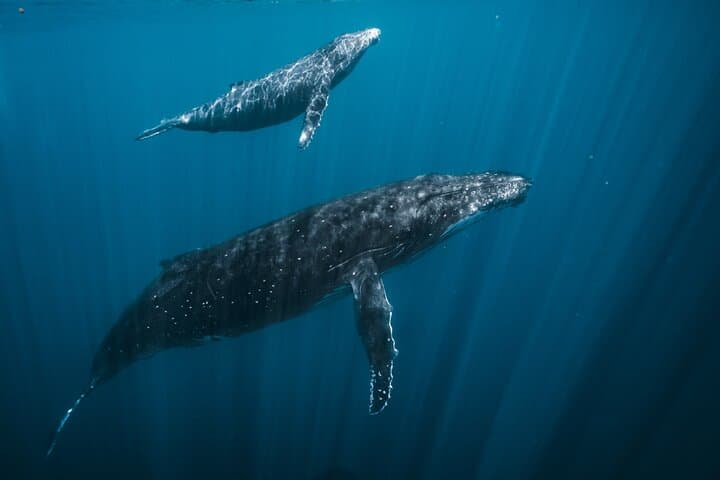
Tahiti sits on volcanic foundations carved by uplift and erosion; its deep channels are staging grounds for humpbacks that migrate from Antarctic waters to breed and calve here each southern winter. Polynesian navigators long read these same currents; today, local guides combine traditional knowledge with marine science to interpret humpback behavior and the cultural importance of the sea.
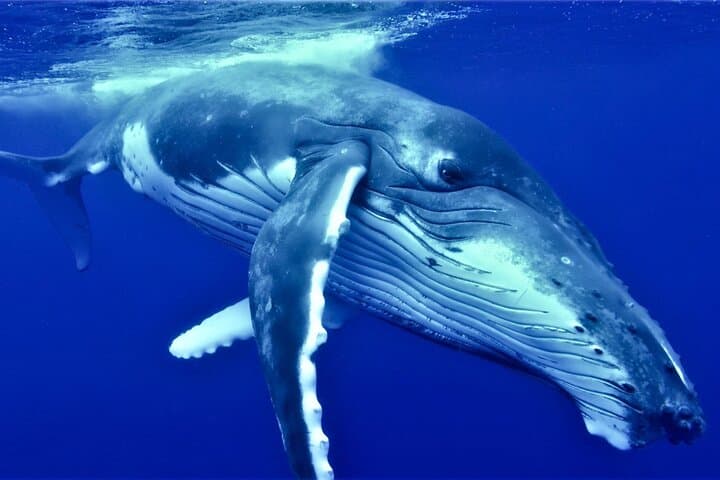
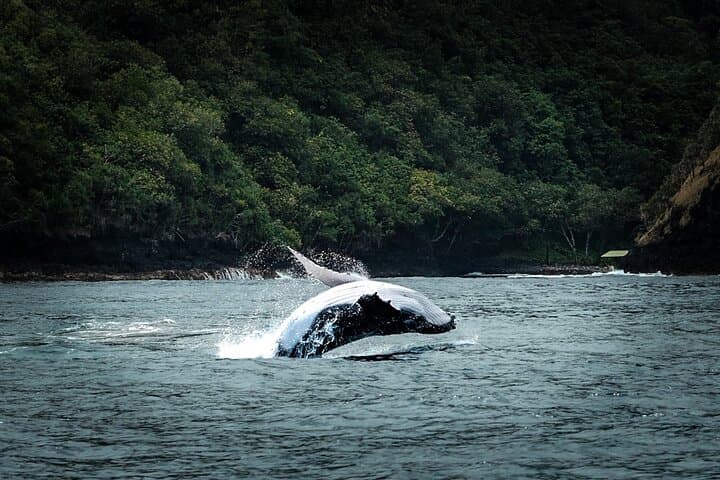
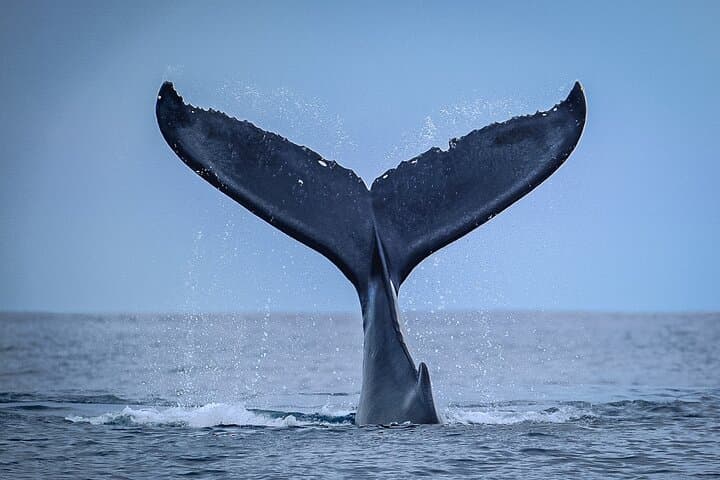
Expect biology as well as scenery: sightings focus on surface behaviors — blows, breaches, flukes — and on respectful viewing techniques required by local conservation rules. Guides provide context on migration timing and human impacts, and the small group size reduces disturbance while improving chances of quiet, close observation.
Practical details are straightforward: tours run about four hours, include bottled water, snacks and snorkel gear, and require a moderate level of fitness for boarding and short swims. Come prepared for sun, spray, and motion; a camera with a zoom and a steady hand will capture the moments you won’t want to forget. With planning and patience, this half-day turns a Tahitian morning into a lasting connection with a major migratory species.
moderate.
4 hours.
Moderate — able to step on/off a small boat and stand on an open deck; basic swimming ability for optional snorkeling.
No — sightings are common in season (roughly July–October) but not guaranteed; operators follow whales when present and may cancel for safety or absence.
Snorkeling equipment is provided and optional; this trip focuses on whale observation at the surface rather than extended snorkel sessions.
Children can join but must follow safety rules; pregnant travelers or those with serious heart or back conditions should avoid this tour per operator guidance.
Full refunds are available if you cancel at least 24 hours before departure; tours may be canceled for bad weather or insufficient passengers.
Tahiti’s waters have long been part of Polynesian navigation routes; humpbacks return here from Antarctic feeding grounds to mate and calve, a cycle observed by islanders for generations.
Small-group, licensed trips reduce disturbance; visitors should use reef-safe sunscreen, follow the skipper’s distance rules and avoid entering the water near whales to limit stress.
Tahiti Ocean Adventures operates guided outdoor trips and adventures with an emphasis on safety, stewardship, and memorable experiences.
Morning light skims the reef as the POTI MARARA slides away from Papeete harbor, the ocean opening like a deliberate invitation. Salt air sharpens the senses; the crew points toward the horizon where a blow threads the sky and the sea answers with a slow, rolling presence. In a boat limited to six passengers the encounter feels intimate — the whales large enough to alter the rhythm of the ocean and calm enough to let you watch.
Morning light skims the reef as the POTI MARARA slides away from Papeete harbor, the ocean opening like a deliberate invitation. Salt air sharpens the senses; the crew points toward the horizon where a blow threads the sky and the sea answers with a slow, rolling presence. In a boat limited to six passengers the encounter feels intimate — the whales large enough to alter the rhythm of the ocean and calm enough to let you watch.
Tahiti sits on volcanic foundations carved by uplift and erosion; its deep channels are staging grounds for humpbacks that migrate from Antarctic waters to breed and calve here each southern winter. Polynesian navigators long read these same currents; today, local guides combine traditional knowledge with marine science to interpret humpback behavior and the cultural importance of the sea.
Expect biology as well as scenery: sightings focus on surface behaviors — blows, breaches, flukes — and on respectful viewing techniques required by local conservation rules. Guides provide context on migration timing and human impacts, and the small group size reduces disturbance while improving chances of quiet, close observation.
Practical details are straightforward: tours run about four hours, include bottled water, snacks and snorkel gear, and require a moderate level of fitness for boarding and short swims. Come prepared for sun, spray, and motion; a camera with a zoom and a steady hand will capture the moments you won’t want to forget. With planning and patience, this half-day turns a Tahitian morning into a lasting connection with a major migratory species.