THE ADVENTURE COLLECTIVE® · Independent discovery and booking for outdoor travel

Spend an easy afternoon circling Tahiti by private vehicle, from the newly renovated Museum of Tahiti & Her Islands to Vaipahi Water Garden, Faarumai waterfalls and the historic Pointe Vénus. This 5‑hour tour mixes short walks with cultural stops and coastal scenery.
Spend an easy afternoon circling Tahiti by private vehicle, from the newly renovated Museum of Tahiti & Her Islands to Vaipahi Water Garden, Faarumai waterfalls and the historic Pointe Vénus. This 5‑hour tour mixes short walks with cultural stops and coastal scenery.
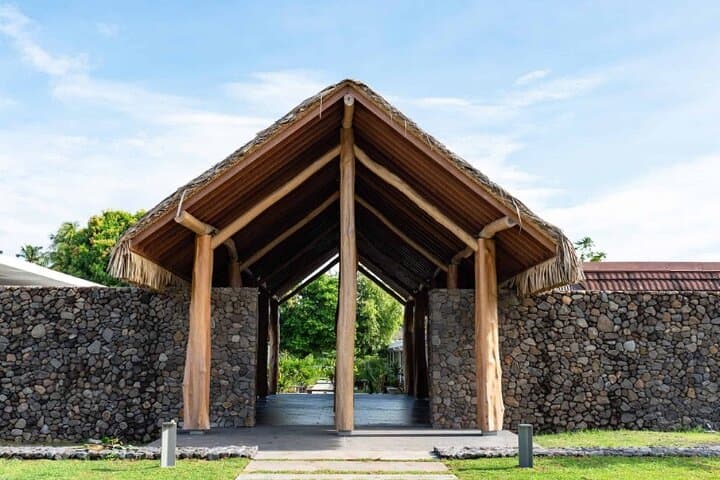
Late afternoon light slides across basalt ridges as your private vehicle peels away from Papeete and the ocean opens like a shifting map. You begin at the Museum of Tahiti & Her Islands — recently renovated and focused on Polynesian natural and cultural heritage — then trace a clockwise route around the island, the road alternating between manicured gardens, roadside marae, and sudden drops to black‑sand beaches.
Verified experiences and guided adventures in the surrounding area.
Operated by Tahiti Nui Travel · Papeete, Tahiti
Late afternoon light slides across basalt ridges as your private vehicle peels away from Papeete and the ocean opens like a shifting map. You begin at the Museum of Tahiti & Her Islands — recently renovated and focused on Polynesian natural and cultural heritage — then trace a clockwise route around the island, the road alternating between manicured gardens, roadside marae, and sudden drops to black‑sand beaches.
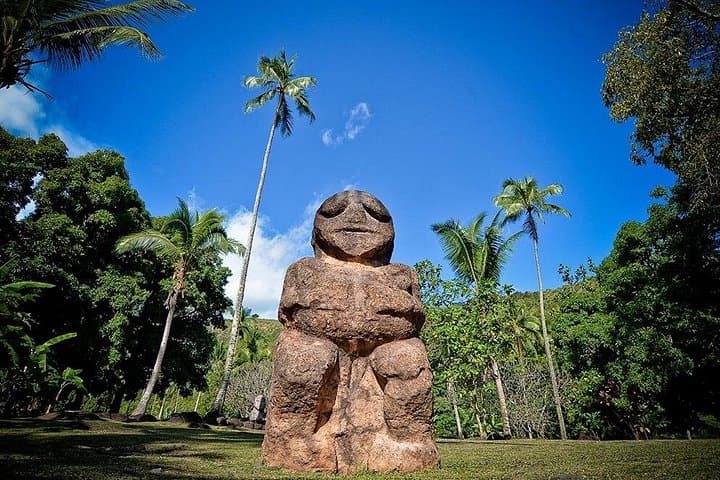
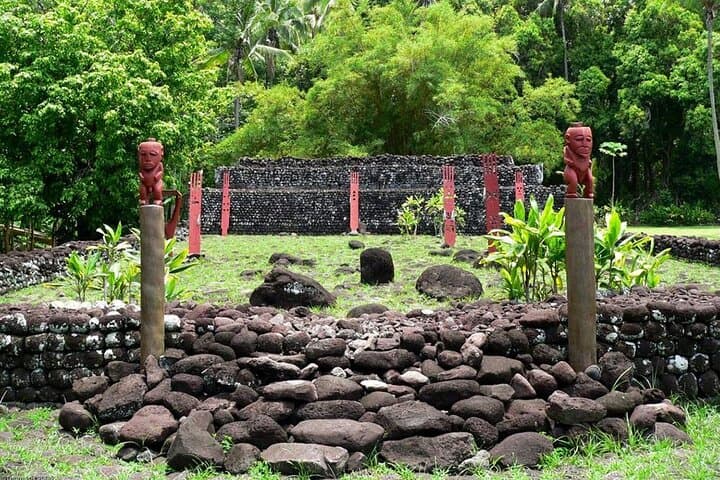
History sits plain here: the Arahurahu marae recalls pre‑contact ceremonial life restored in the 20th century, while Pointe Vénus marks European scientific interest after Cook’s 1769 visit. Geology is volcanic and immediate — coral benches, basalt flows and the ragged profile of Tahiti Iti show how fire and sea carved the island. Culturally, small communities and roadside stalls sell tropical fruit and handicrafts; local guides will point out place names and sea‑way markers that fishermen still use.
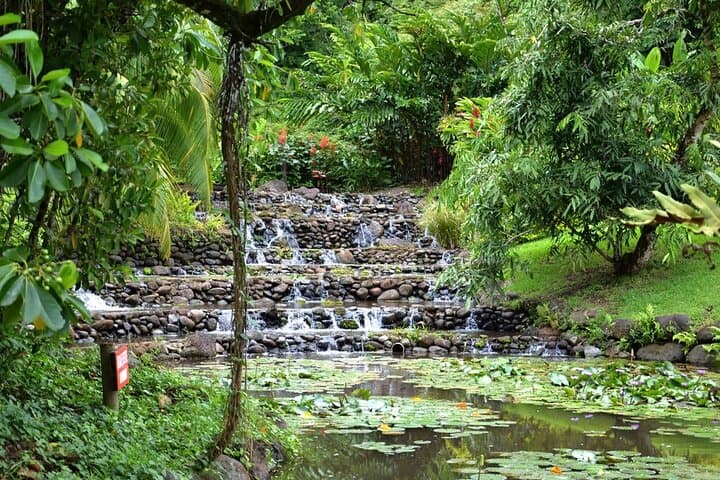
Practically, this is a comfortable, low‑impact afternoon tour: expect short walks (steps, boardwalks, a few uneven paths), photo stops at the Vaipahi gardens and Trou du Souffleur, and a guided look at Faarumai’s three waterfalls — the largest requires only a brief stroll while the others add 20–30 minutes of easy hiking.
Bring sun protection, insect repellent and a small daypack; cameras and swimwear are optional but useful if weather allows. The pace is curated for sightseeing rather than strenuous hiking, making the loop a reliable introduction to Tahiti’s layered landscape and living culture.
easy.
5 hours.
Light fitness: suitable for travelers comfortable with short, mostly flat walks and occasional steps.
Yes — this itinerary notes museum admission is included for the stop at the Museum of Tahiti & Her Islands.
No — the tour includes short walks and brief hikes; the longest walk to the farther waterfalls is moderate (20–30 minutes) but not technical.
Hotel pickup and drop‑off are offered for selected hotels; confirm exact pickup time with the local operator after booking.
Swimming may be possible at some spots but depends on conditions and local signage; follow guide advice — currents and rocky bottoms exist near black‑sand beaches and coves.
Pointe Vénus was a landing point for European expeditions and named after observations of the transit of Venus; marae sites reflect centuries of Polynesian ceremonial life.
Tahiti’s lowland ecosystems are vulnerable; stay on marked paths, avoid removing shells or plants, and support local guides who prioritize cultural and ecological respect.
Tahiti Nui Travel operates guided outdoor trips and adventures with an emphasis on safety, stewardship, and memorable experiences.
Late afternoon light slides across basalt ridges as your private vehicle peels away from Papeete and the ocean opens like a shifting map. You begin at the Museum of Tahiti & Her Islands — recently renovated and focused on Polynesian natural and cultural heritage — then trace a clockwise route around the island, the road alternating between manicured gardens, roadside marae, and sudden drops to black‑sand beaches.
Late afternoon light slides across basalt ridges as your private vehicle peels away from Papeete and the ocean opens like a shifting map. You begin at the Museum of Tahiti & Her Islands — recently renovated and focused on Polynesian natural and cultural heritage — then trace a clockwise route around the island, the road alternating between manicured gardens, roadside marae, and sudden drops to black‑sand beaches.
History sits plain here: the Arahurahu marae recalls pre‑contact ceremonial life restored in the 20th century, while Pointe Vénus marks European scientific interest after Cook’s 1769 visit. Geology is volcanic and immediate — coral benches, basalt flows and the ragged profile of Tahiti Iti show how fire and sea carved the island. Culturally, small communities and roadside stalls sell tropical fruit and handicrafts; local guides will point out place names and sea‑way markers that fishermen still use.
Practically, this is a comfortable, low‑impact afternoon tour: expect short walks (steps, boardwalks, a few uneven paths), photo stops at the Vaipahi gardens and Trou du Souffleur, and a guided look at Faarumai’s three waterfalls — the largest requires only a brief stroll while the others add 20–30 minutes of easy hiking.
Bring sun protection, insect repellent and a small daypack; cameras and swimwear are optional but useful if weather allows. The pace is curated for sightseeing rather than strenuous hiking, making the loop a reliable introduction to Tahiti’s layered landscape and living culture.