THE ADVENTURE COLLECTIVE® · Independent discovery and booking for outdoor travel

Spend four hours tracing Tagbilaran’s civic center, from the Blood Compact marker to the bustling Dao market. This concise city tour blends colonial history, local market culture, and practical stops for an efficient primer on Bohol life.
Spend four hours tracing Tagbilaran’s civic center, from the Blood Compact marker to the bustling Dao market. This concise city tour blends colonial history, local market culture, and practical stops for an efficient primer on Bohol life.
Morning light slants across Plaza Rizal and the pigeons hop without hurry; you step out of an air-conditioned van into a city that still moves at the pace of its tide and trade.
Verified experiences and guided adventures in the surrounding area.
Operated by Rio Travel and Tour · Tagbilaran City, Bohol
Morning light slants across Plaza Rizal and the pigeons hop without hurry; you step out of an air-conditioned van into a city that still moves at the pace of its tide and trade.
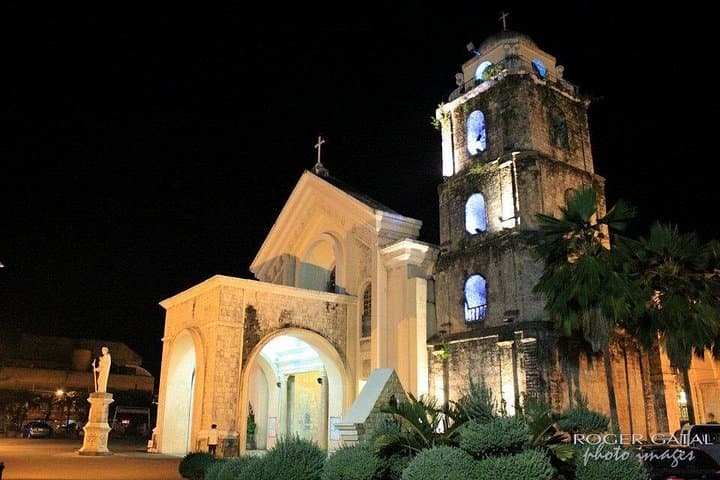
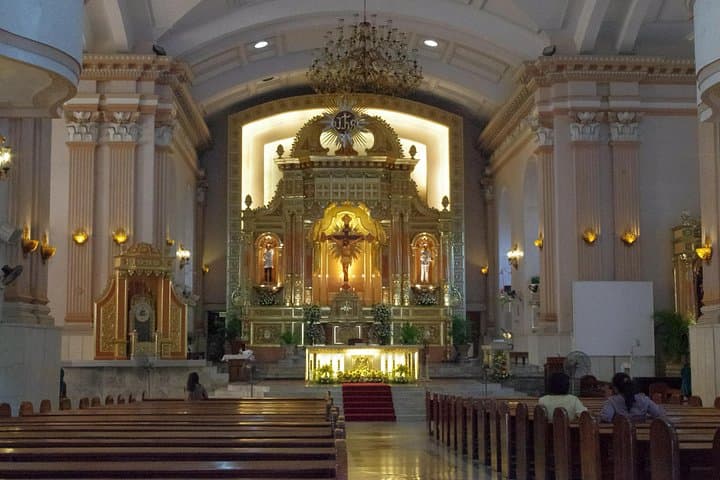
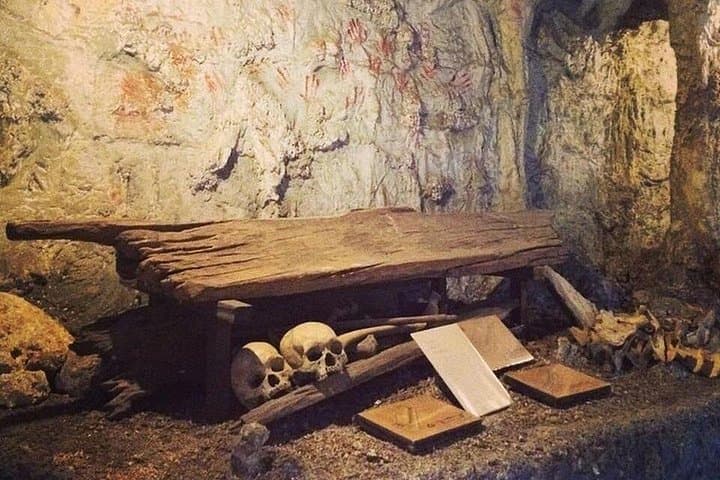
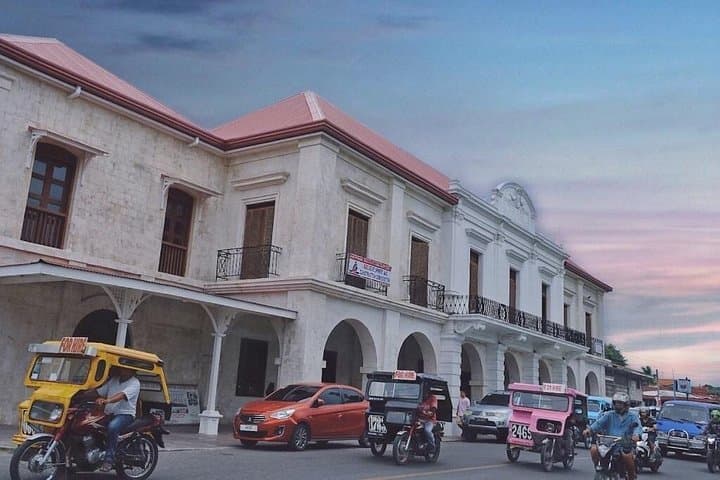
This four-hour Tagbilaran City tour threads together civic stonework, a Baroque-turned-modern cathedral, and the compact site where the 1565 Blood Compact (Sandugo) negotiated a fragile peace between Spanish colonizers and local chieftains. The provincial capitol’s arched façade reads like a ledger of Spanish-era civic design, while the Bohol Museum—once the home of President Carlos P. Garcia—offers domestic artifacts and coastal shells that trace the island’s maritime economy.
Tagbilaran’s geology is coastal plain and reclaimed land, its rhythms governed by the Bohol Sea; the city’s market culture still reflects the island’s seafood and agricultural hinterlands. Walk the Central Public Market at Dao on Tuesday or Friday to see tabo in full swing: fish boxes, ripe fruit, and bundled greens stacked like small, honest altars of local commerce.
Practical guidance: the tour is light on walking but moves between sun-exposed squares and shaded interiors—bring sun protection and a small amount of local currency for market purchases. Mornings are best for cooler air and livelier markets; allow time if you plan to linger in the museum or buy fresh produce. Respect church dress codes at the cathedral and ask before photographing people in the market. The tour delivers a concentrated primer on Bohol’s civic history and everyday rhythms—compact, walkable, and rooted in place.
easy.
4 hours.
Suitable for most fitness levels; requires short, easy walks and standing during market visits.
The standard tour runs about four hours and covers several short stops in and around Tagbilaran’s civic center.
Some stops like the Bohol Museum may include admission depending on the operator; confirm at booking for any entry fees not listed.
Yes—this is an easy, low-intensity city tour, but children should be accompanied by adults and participants should be able to board transport and walk short distances.
Yes; typical bookings include hotel or port pickup and drop-off—provide arrival details when booking to arrange transfer logistics.
Tagbilaran’s identity is tied to the 1565 Sandugo (Blood Compact) and Spanish-era civic architecture; the Bohol Museum occupies the former home of President Carlos P. Garcia.
Markets can generate plastic waste—bring reusable bags and avoid single-use plastics; support vendors who source sustainably caught seafood.
Rio Travel and Tour operates guided outdoor trips and adventures with an emphasis on safety, stewardship, and memorable experiences.
Morning light slants across Plaza Rizal and the pigeons hop without hurry; you step out of an air-conditioned van into a city that still moves at the pace of its tide and trade.
Morning light slants across Plaza Rizal and the pigeons hop without hurry; you step out of an air-conditioned van into a city that still moves at the pace of its tide and trade.
This four-hour Tagbilaran City tour threads together civic stonework, a Baroque-turned-modern cathedral, and the compact site where the 1565 Blood Compact (Sandugo) negotiated a fragile peace between Spanish colonizers and local chieftains. The provincial capitol’s arched façade reads like a ledger of Spanish-era civic design, while the Bohol Museum—once the home of President Carlos P. Garcia—offers domestic artifacts and coastal shells that trace the island’s maritime economy.
Tagbilaran’s geology is coastal plain and reclaimed land, its rhythms governed by the Bohol Sea; the city’s market culture still reflects the island’s seafood and agricultural hinterlands. Walk the Central Public Market at Dao on Tuesday or Friday to see tabo in full swing: fish boxes, ripe fruit, and bundled greens stacked like small, honest altars of local commerce.
Practical guidance: the tour is light on walking but moves between sun-exposed squares and shaded interiors—bring sun protection and a small amount of local currency for market purchases. Mornings are best for cooler air and livelier markets; allow time if you plan to linger in the museum or buy fresh produce. Respect church dress codes at the cathedral and ask before photographing people in the market. The tour delivers a concentrated primer on Bohol’s civic history and everyday rhythms—compact, walkable, and rooted in place.