THE ADVENTURE COLLECTIVE® · Independent discovery and booking for outdoor travel

Spend three hours tasting wines and pisco at Tacama and El Catador with private transport from Huacachina. Explore colonial cellars, family-run botija fermentation, and optional vineyard lunch.
Spend three hours tasting wines and pisco at Tacama and El Catador with private transport from Huacachina. Explore colonial cellars, family-run botija fermentation, and optional vineyard lunch.
The bus eases out of Huacachina's dusty palms and the vineyards open like an unexpected green ledger against the coastal desert. Sun hits stone courtyards and rows of trained vines; a guide leads the group under wooden pergolas where the smell of fermented grape and toasted oak hangs in the air.
Verified experiences and guided adventures in the surrounding area.
Operated by Travel Adventures Peru · Huacachina, Ica
The bus eases out of Huacachina's dusty palms and the vineyards open like an unexpected green ledger against the coastal desert. Sun hits stone courtyards and rows of trained vines; a guide leads the group under wooden pergolas where the smell of fermented grape and toasted oak hangs in the air.
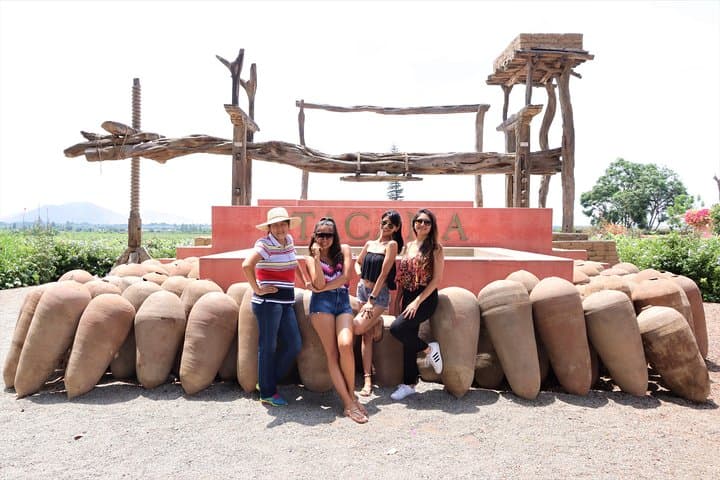
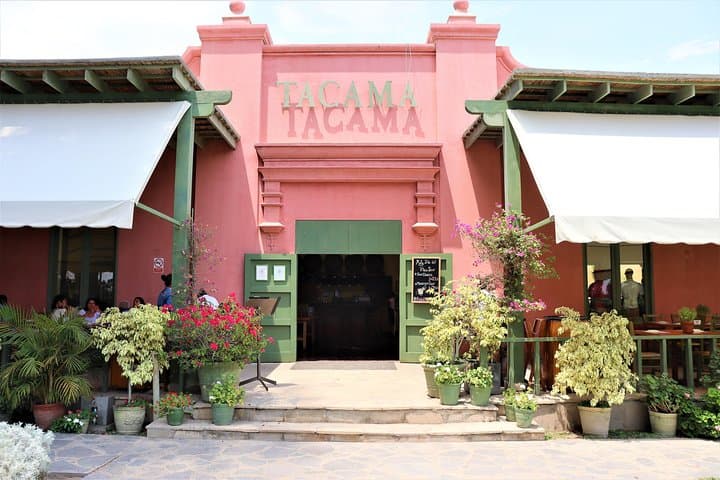
Tacama is one of South America's oldest wineries, established during the colonial era, and its buildings show layered history—colonial stone, 19th-century cellars and modern stainless tanks. Geologically the valley is a narrow ribbon of irrigated alluvial soil fed by rivers from the Andes; that river-fed silt is why grapes succeed here despite the surrounding dunes. At El Catador the visit shifts tone: family-run plots, clay botijas used traditionally to ferment pisco, and hands-on demonstrations of time-honored techniques passed down from Spanish-descended vintners.
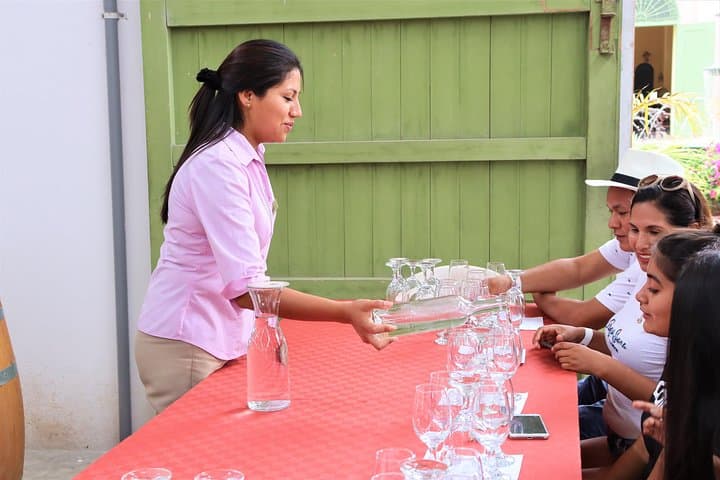
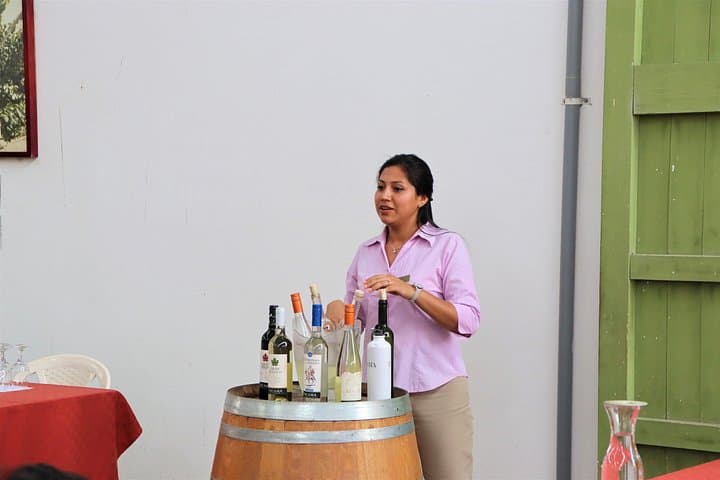
Expect guided tastings of roughly ten samples spanning pisco varieties and regional wines, and an opportunity to upgrade to a sit-down lunch at Tacama's vineyard restaurant. The tour runs about three hours with private transport, minimal walking over mostly flat, compacted paths, and short cellar steps.
Practical notes: carry photo ID for tastings, sunscreen and a hat for open terraces, and a refillable water bottle—the coastal sun is stronger than it feels. Go in March if you want to see harvest activity and botijas in use; arrive hungry if you plan the lunch. The experience mixes cultural history, light agriculture-focused walking, and hands-on tasting—an easy, sensory introduction to Peru's wine and pisco craft.
easy.
3–4 hours.
Light—suitable for most fitness levels; involves short walks and some standing during tastings.
Yes—around ten samples of wine and pisco are included as part of the tour.
Lunch is optional; the tour offers the chance to purchase a meal at Tacama's restaurant but it isn't covered in the base price.
The tour lasts about 3–4 hours and includes private transportation from Huacachina.
Harvest activity peaks in March (southern hemisphere late summer/early autumn); botija fermentation demonstrations are most visible around that time.
Tacama dates back to the colonial period and is recognized as one of the oldest operational wineries in South America, with architecture and cellars that reflect centuries of winemaking.
The Ica valley relies on limited Andean water; many vineyards now optimize irrigation and promote responsible water use to preserve local resources and the nearby desert oasis.
Travel Adventures Peru operates guided outdoor trips and adventures with an emphasis on safety, stewardship, and memorable experiences.
The bus eases out of Huacachina's dusty palms and the vineyards open like an unexpected green ledger against the coastal desert. Sun hits stone courtyards and rows of trained vines; a guide leads the group under wooden pergolas where the smell of fermented grape and toasted oak hangs in the air.
The bus eases out of Huacachina's dusty palms and the vineyards open like an unexpected green ledger against the coastal desert. Sun hits stone courtyards and rows of trained vines; a guide leads the group under wooden pergolas where the smell of fermented grape and toasted oak hangs in the air.
Tacama is one of South America's oldest wineries, established during the colonial era, and its buildings show layered history—colonial stone, 19th-century cellars and modern stainless tanks. Geologically the valley is a narrow ribbon of irrigated alluvial soil fed by rivers from the Andes; that river-fed silt is why grapes succeed here despite the surrounding dunes. At El Catador the visit shifts tone: family-run plots, clay botijas used traditionally to ferment pisco, and hands-on demonstrations of time-honored techniques passed down from Spanish-descended vintners.
Expect guided tastings of roughly ten samples spanning pisco varieties and regional wines, and an opportunity to upgrade to a sit-down lunch at Tacama's vineyard restaurant. The tour runs about three hours with private transport, minimal walking over mostly flat, compacted paths, and short cellar steps.
Practical notes: carry photo ID for tastings, sunscreen and a hat for open terraces, and a refillable water bottle—the coastal sun is stronger than it feels. Go in March if you want to see harvest activity and botijas in use; arrive hungry if you plan the lunch. The experience mixes cultural history, light agriculture-focused walking, and hands-on tasting—an easy, sensory introduction to Peru's wine and pisco craft.