THE ADVENTURE COLLECTIVE® · Independent discovery and booking for outdoor travel

A full-day journey from Puerto Princesa to Lipuun Point, the Tabon Cave Tour pairs coastal boat travel with guided exploration of one of the Philippines’ most important archaeological sites. Learn the human and geological story of the caves while navigating limestone chambers and coastal trails.
A full-day journey from Puerto Princesa to Lipuun Point, the Tabon Cave Tour pairs coastal boat travel with guided exploration of one of the Philippines’ most important archaeological sites. Learn the human and geological story of the caves while navigating limestone chambers and coastal trails.
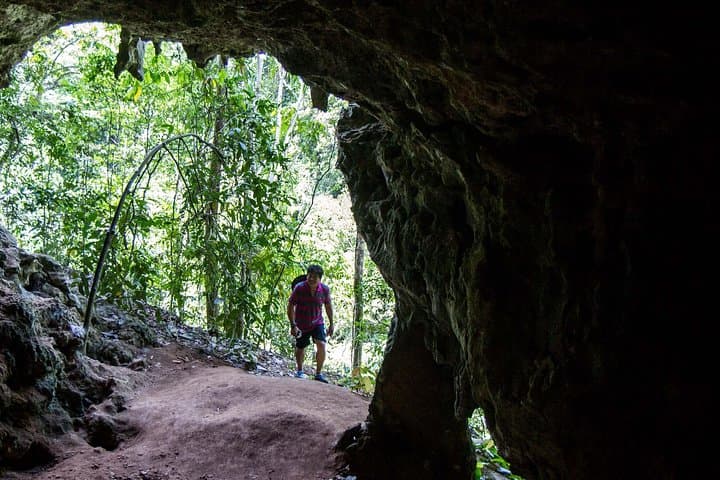
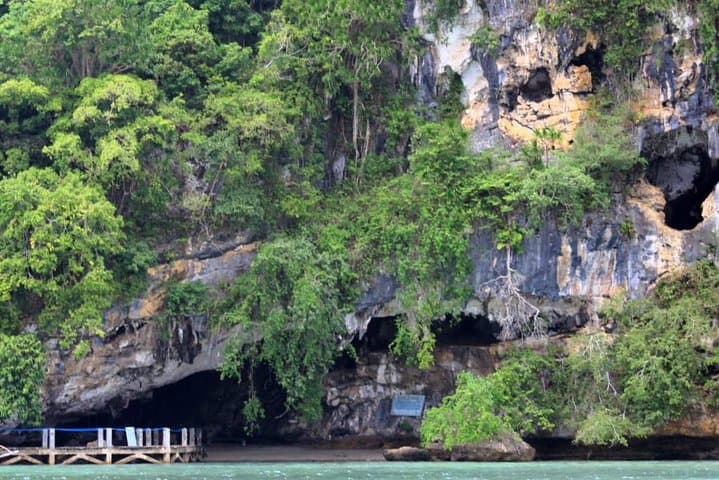
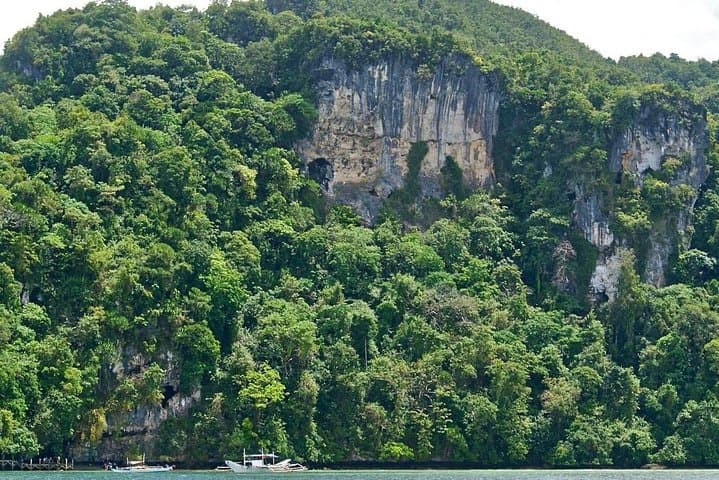
You step from a shaded van onto a weathered jetty and the sea exhales around you: a short boat ride cuts across glassy water toward Lipuun Point, where limestone cliffs rise like pages of an old book. The Tabon Caves open not with a single grand entrance but a sequence of caverns, ledges and narrow mouths that demand a steady step and a curious eye.
Verified experiences and guided adventures in the surrounding area.
Operated by CTPH TOUR · Quezon, Palawan
You step from a shaded van onto a weathered jetty and the sea exhales around you: a short boat ride cuts across glassy water toward Lipuun Point, where limestone cliffs rise like pages of an old book. The Tabon Caves open not with a single grand entrance but a sequence of caverns, ledges and narrow mouths that demand a steady step and a curious eye.
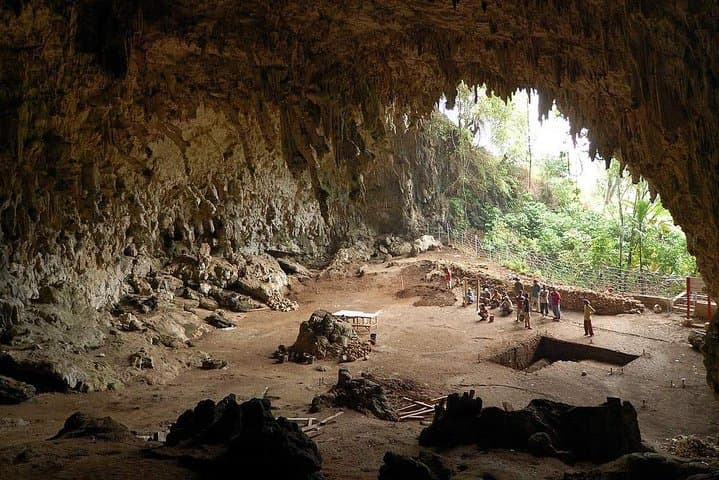
The site is often called the "Cradle of Civilization" in the Philippines — excavations here produced human remains and the famous Manunggul Jar, key pieces in the archipelago’s prehistory. Geologically the caves are carved from Pleistocene limestone; tides and freshwater runoff shaped chambers, stalactites and fossil-bearing strata over millennia. Local Quezon communities still hold stories about ancestral burials and coastal livelihoods that thread into the guided interpretation you’ll hear on-site.
Expect a day that balances gentle travel and concentrated exploration: a scenic drive from Puerto Princesa, a boat transfer across calm channels, a picnic lunch, then a guided walk among uneven cave floors, low passages and exposed archaeological features. Wear closed shoes with grip; bring water, sun protection for the coastal approach and a light headlamp if you prefer extra visibility inside larger chambers.
Respect signage and the guide’s instructions — fragile deposits and cultural artifacts require hands-off viewing. Timing your visit during the dry months reduces soggy approaches and gives clearer boat crossings. For travelers seeking a mix of coastal scenery, cultural history and accessible spelunking, Tabon is a tangible link to Palawan’s deep past.
easy.
9–10 hours.
Suitable for most fitness levels; requires short walks, some low or narrow passages, and boarding a small boat.
Expect roughly 9–10 hours total including transfers, boat rides, lunch and guided cave exploration.
Yes—operators typically rate the activity as easy, but participants should be able to manage short uneven walks and low passages; infants must sit on laps during transport.
Permits and entrance fees are listed as included in the tour; confirm with the operator at booking for any recent changes.
The dry season (roughly November–April) offers more reliable boat crossings and drier ground, though tours operate year-round subject to weather.
Archaeological digs at Tabon recovered human remains and artifacts — notably the Manunggul Jar — linking the caves to early islander burial practices and trade networks.
The caves contain fragile archaeological deposits and delicate limestone formations; visitors should adhere to trail markers, avoid touching artifacts, and follow guide instructions to minimize impact.
CTPH TOUR operates guided outdoor trips and adventures with an emphasis on safety, stewardship, and memorable experiences.
You step from a shaded van onto a weathered jetty and the sea exhales around you: a short boat ride cuts across glassy water toward Lipuun Point, where limestone cliffs rise like pages of an old book. The Tabon Caves open not with a single grand entrance but a sequence of caverns, ledges and narrow mouths that demand a steady step and a curious eye.
You step from a shaded van onto a weathered jetty and the sea exhales around you: a short boat ride cuts across glassy water toward Lipuun Point, where limestone cliffs rise like pages of an old book. The Tabon Caves open not with a single grand entrance but a sequence of caverns, ledges and narrow mouths that demand a steady step and a curious eye.
The site is often called the "Cradle of Civilization" in the Philippines — excavations here produced human remains and the famous Manunggul Jar, key pieces in the archipelago’s prehistory. Geologically the caves are carved from Pleistocene limestone; tides and freshwater runoff shaped chambers, stalactites and fossil-bearing strata over millennia. Local Quezon communities still hold stories about ancestral burials and coastal livelihoods that thread into the guided interpretation you’ll hear on-site.
Expect a day that balances gentle travel and concentrated exploration: a scenic drive from Puerto Princesa, a boat transfer across calm channels, a picnic lunch, then a guided walk among uneven cave floors, low passages and exposed archaeological features. Wear closed shoes with grip; bring water, sun protection for the coastal approach and a light headlamp if you prefer extra visibility inside larger chambers.
Respect signage and the guide’s instructions — fragile deposits and cultural artifacts require hands-off viewing. Timing your visit during the dry months reduces soggy approaches and gives clearer boat crossings. For travelers seeking a mix of coastal scenery, cultural history and accessible spelunking, Tabon is a tangible link to Palawan’s deep past.